Rebuilding a Home That Helps You Breathe Again
Coming back to a burned lot can feel like stepping into a bad dream. There is grief, shock, and a long list of decisions that all feel urgent. A complete home rebuild after a fire is not just about walls and a roof; it is about finding a way to feel safe again in your own space.
When everything is gone, you have a rare chance to design a home that supports emotional healing from the inside out. Light, sound, privacy, storage, and daily rituals can all be planned on purpose, not by accident. Our goal with a new custom build is to weave your emotional needs into the technical pieces like fire codes, insurance rules, and structural design so the finished home feels both safe and deeply comforting.
Designing Natural Light That Calms, Not Overwhelms
In Southern California, hillsides and canyons are part of the beauty, but after a wildfire they can also feel like a threat. Many people want to see the view, yet not feel exposed to it. The right window plan can give you soft light and calm views instead of harsh glare and constant reminders of what happened.
We like to think about natural light in layers, such as:
- Oriented window placement that frames “safe” views, like sky, trees, or a courtyard
- Clerestory windows that bring in daylight high on the wall but protect privacy
- Overhangs or screens that filter strong sun and reduce heat as summer light gets more intense
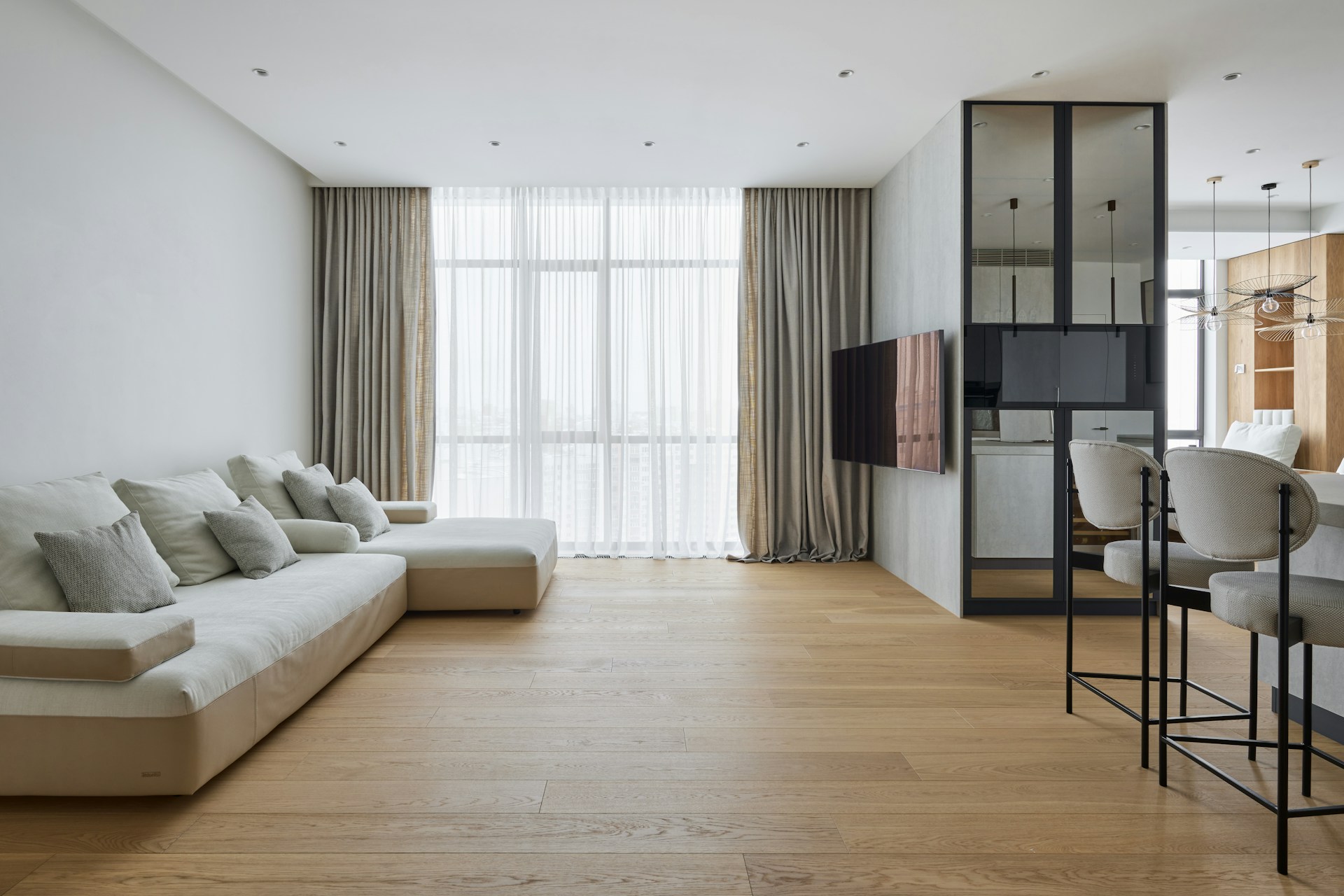
Fire-resilient details are built into this from the start. Fire-rated or tempered glass, careful framing around openings, and thoughtful spacing all help protect the home while still keeping things bright and open. We also think about heat and UV control so you are not fighting hot rooms and faded finishes every time the days get longer. The goal is a home that feels airy and light, yet still grounded and safe.
Quiet Interiors That Soothe an Anxious Nervous System
After a wildfire, certain sounds can hit harder than before. Sirens, helicopters, Santa Ana winds, even heavy rain on the roof can send the body into alert. A complete home rebuild after a fire gives us the chance to calm that stress from the foundation up.
Acoustic design is one of the most caring choices we can make with you:
- Extra insulation inside interior walls, not just at the exterior
- Resilient channels and sound-buffering assemblies between floors or units
- Sound separation between bedrooms and busy spaces like kitchens or great rooms
- Quiet HVAC systems, fans, and appliances to keep background noise low
We often talk about “acoustic zoning.” Quiet zones are for sleep and true rest. Semi-quiet zones are for work, study, or reading. Social zones, like living rooms, are planned with softer surfaces, acoustic panels, and fabric treatments so sound is absorbed instead of bouncing around the space. All of this is designed alongside fire-resistant materials, so we stay away from products that add major flame risk while still cutting down on echo and noise.
Privacy and Layout That Restore a Sense of Safety
After a loss, many people feel a strong need for privacy, both from the outside world and inside the home. The layout of your new custom build can support that feeling every time you walk through the door. You are not stuck with the old floor plan anymore.
Some layout strategies that often help include:
- Placing bedrooms away from the main entry and busy street sides
- Layered thresholds, like a small entry foyer that eases you into the home
- Winged or split layouts that give each family member a private “retreat” space
- Simple, intuitive circulation paths so moving around at night feels safe and clear
Window and door planning also plays a big part. You might want controlled views from the street, so passersby cannot see straight into your living spaces. Bathrooms can use frosted or high windows for daylight with privacy. At the same time, key sightlines to driveways, side yards, or patios can build peace of mind, since you can quickly see what is going on outside without stepping out. All of this can be built right into your complete home rebuild after a fire.
Storage, Daily Rituals, and the Weight of “Stuff”
Life after a fire changes how many people feel about belongings. Clutter can feel heavier than before. Every item might carry more emotion. Good storage in a new build is not just about being neat, it is about lowering stress every single day.
We often plan built-in storage around real-life habits:
- Mudrooms with space for go-bags, emergency kits, and everyday shoes and bags
- Deep, organized pantry systems so food and supplies are easy to see and reach
- Laundry rooms with hidden sorting and drying areas so piles do not take over
- Bedroom storage that keeps surfaces clear, creating calmer sleeping spaces
Daily rituals matter too. A small coffee station, a reading nook with a soft chair and good light, a family “command center” for keys and calendars, or a spa-like bathroom where you can start and end your day in peace. These small anchors help bring back a sense of normal life. Storage can also be planned around your current inventory and insurance replacement limits, with room to grow as you slowly add items back over time.
Balancing Fire Codes, Insurance, and Emotional Wellness
Many homeowners worry that fire-resilient construction and insurance rules will leave them with a home that feels cold or too strict. It does not have to be that way. With a design-build approach, we can think about performance and feelings at the same time.
Early on, we coordinate with insurers, adjusters, and local building officials so we understand:
- Required fire-resistant assemblies and wildland-urban interface needs
- Which upgrades may be supported by coverage and which are out-of-pocket
- Any product or specification limits that affect interior choices
From there, we look for warm, human-centered solutions inside a strong shell. For example, noncombustible exterior materials can pair with soft, natural finishes inside. Fire-resistant roofing can sit above ceilings that feel cozy and inviting. Hard-surface paths to exits can still look like part of a beautiful interior, not a commercial hallway. Smart systems like monitored alarms and shut-offs can give quiet reassurance instead of constant beeping or blinking. The whole rebuild becomes one connected process that respects both safety and emotional comfort.
Turning Your Rebuild Into a Fresh Start, Not Just a Fix
A complete home rebuild after a fire will never erase what happened, but it can honor what you have been through and support who you are now. You do not have to copy every detail of the house that was lost. You can keep what still feels right and let go of what never truly worked for your life.
A helpful first step is to write down how your old home made you feel. What spaces helped you relax? Where did you feel tense or exposed? Then gather images and ideas that feel calming: light levels, colors, textures, layouts. A design-build partner experienced with fire rebuilds can take those emotional notes and turn them into architecture, interiors, and a daily flow that fit your new season of life.
With care and planning, your new home can become a place where light feels gentle, sound is quiet, privacy is honored, storage is thoughtful, and everyday rituals have room to grow again. Over time, that kind of space can help your whole family finally exhale.
Get Started With Your Project Today
If you are facing the overwhelming reality of starting a complete home rebuild after a fire, we are here to guide you through every step. At Pure Builders, we listen carefully to your needs so we can design and rebuild a home that fits your life, budget, and timeline. Reach out and let us walk you through your options, from initial assessment to final walkthrough. To discuss your project and next steps, please contact us today.