Rebuilding After Wildfire Loss with Clarity and Confidence
Losing a home in a wildfire hits hard. There is shock, worry about money, and pressure to make fast choices, all at the same time. In high-risk areas of Southern California, many families suddenly have to decide what to do with their lot and their insurance money.
In nearly every case, the central question becomes whether to commit to a complete home rebuild after a fire on the same lot, or to walk away from the site. While selling and relocating can sometimes make sense, a thoughtful fire-rebuild plan on your existing property often delivers the strongest long-term benefits in terms of stability, wealth, and quality of life. This is why it helps to slow the process down and look at your options side by side, with a clear eye toward the advantages of new construction.
Here, we walk through a clear framework you can use. We focus on three big areas that shape your long-term outcome: tax and financing issues, timeline to get back into a home, and how to think about the value of your lot and any remaining entitlements. Our goal is to help you move from panic to a calm, informed plan that fits your life and long-term goals and, where it makes sense, supports a full fire-rebuild of a new home on your property.
Defining Your Options After a Wildfire Loss
Before comparing anything, it helps to name your options in plain language.
A cash-out or buyout usually means:
- You accept the main insurance settlement and any extra payouts you secure
- You choose not to rebuild on the damaged lot right now
- You may sell the land, keep it for later, or try to improve its value before selling
A complete home rebuild after a fire means:
- You use insurance money, and sometimes extra financing, to build a new home on the same lot
- You design a new custom home that can be better suited to your lifestyle today
- You can upgrade fire resistance, layout, energy performance, and finishes compared to the old house
- You preserve your location, community connections, and the long-term potential of your property
There are also hybrid paths that still lean on new construction, for example:
- Working with a design-build team to get new plans and permits, then selling a shovel-ready lot to a buyer who wants to build
- Building a smaller or more efficient new home on the same site instead of matching the old one
- Phasing your new construction so you lock in key entitlements and design decisions now, with flexibility to finish details as you go
When you define these choices up front, it becomes easier to compare them on:
- Upfront and long-term costs
- Time until you are settled again
- Day-to-day comfort and stress
- Long-term wealth, equity, and flexibility
With that structure in mind, you can move into the money side of the decision and see why a well-planned fire-rebuild is often the most strategic new-construction path forward.
Tax and Financing Impacts of Cash-Out vs. Rebuild
Wildfire insurance money is not simple “free cash.” How you use it can affect taxes and future borrowing. Every family’s situation is different, so this is an area where a tax professional is very helpful.
Here are some general points to explore with a CPA or tax attorney:
- Insurance payouts can sometimes be treated as income or trigger capital gains if you sell
- In some cases, putting money into a replacement home within IRS timelines may help you defer some taxes
- Selling the lot after a cash-out can create tax questions about basis and gain
On the financing side, your two main paths often look like this:
If you rebuild on your lot with new construction:
- Insurance funds can act like equity in a construction loan
- A lender may offer a construction-to-permanent loan, which turns into a regular mortgage when the new home is complete
- The loan is based on the future value of the finished home, not just the current lot
- You may be able to capture more of your insurance benefits by channeling them into a higher-value, code-compliant new build
If you cash out and buy somewhere else:
- Insurance may help you pay off the old mortgage
- Remaining funds may serve as a down payment on a different home in a different area
- Your loan options depend on your credit, income, and current interest rates, and you are subject to the dynamics of a competitive resale market
In many cases, locking in a construction-to-permanent loan on your existing lot can be smoother and more predictable than entering a tight housing market and trying to compete for a resale home. A design-build team can help your lender by preparing:
- Realistic construction budgets for a full fire-rebuild
- Phased schedules
- Clear scopes of work tied to actual site conditions
This detail helps underwriters feel more comfortable with a fire-loss rebuild and supports you in turning insurance proceeds into a high-quality new home instead of dispersing them through multiple moves or compromises.
Timeline to Occupancy and Quality of Life Tradeoffs
Time is one of the biggest pressure points after a wildfire. You want stability again. The question is how fast each option gets you into a home you actually want to live in, and how that timeline lines up with the quality and permanence of the result.
With a cash-out and purchase of an existing home, the rough path is:
- Work through insurance and decide to move on
- Get pre-approved, shop for homes, make offers
- Close on a home and move in once escrow finishes
When the market is cooperative and you find something that fits, this can be faster than starting from bare ground. But you may face bidding wars or have to compromise on location, layout, condition, or long-term suitability.
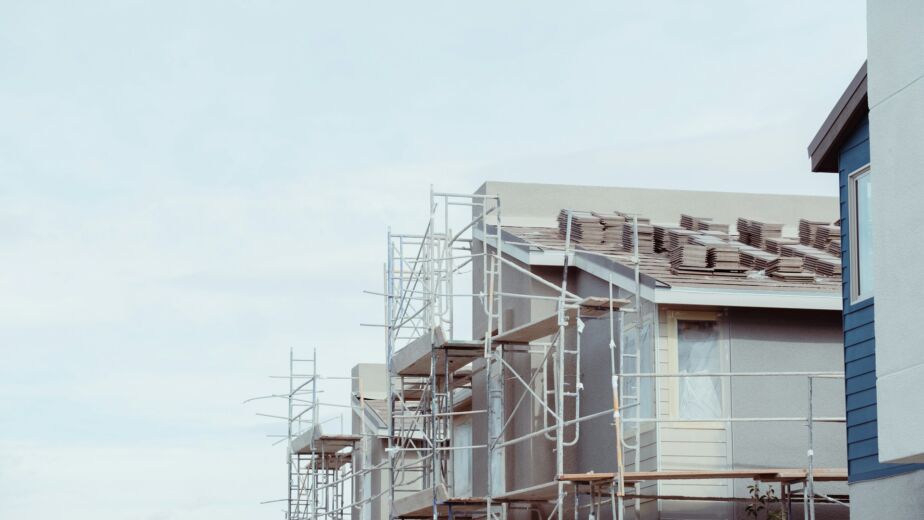
With a complete home rebuild after a fire, the timeline involves more steps, but it delivers a tailored, brand-new home at the end:
- Site assessment and debris clearance
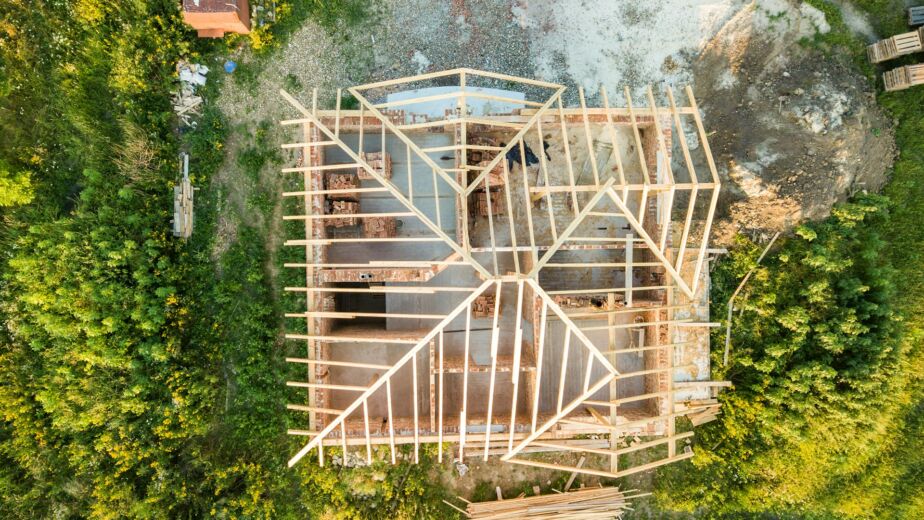
- Architectural design and engineering for your new home
- Plan check with your city or county
- Permits and approvals
- Vertical construction and inspections
- Final approvals and move-in
When you have in-house architecture and permitting support, it can cut down on back-and-forth with the city and help catch issues before submittal. That can save months on a fire-rebuild project. A clear schedule also helps you plan temporary living needs like rentals, storage, school transitions, and daily routines.
Summer is often a good window to:
- Finalize your decision to rebuild
- Line up construction financing
- Lock in major design choices for your new home
- Submit plans so reviews can run while days are long and schedules are more flexible
The tradeoff is simple: a potentially faster move into an existing home that may be merely “good enough” somewhere else, or a longer but more intentional path back to your lot that ends with a new, code-compliant, fire-resilient home built for how you live now. For many families, the additional time invested in a full fire-rebuild pays off in comfort, safety, and long-term value.
Valuing Your Lot and Remaining Entitlements
Your damaged lot is not “just dirt.” Even after a wildfire, it may hold real value in its entitlements and history, especially as a platform for a new home.
In a post-fire setting, entitlements can include:
- Existing zoning and allowed use
- Prior approvals that may still be valid
- Existing utilities and access to the street
- Any surviving plans or permits that can be re-used or fast-tracked
To understand what you really own, it helps to look at:
- Recent sales of similar damaged lots in your area
- Sales of new-construction homes nearby with similar size and quality
- What buyers are paying for lots that already have approved plans
Often, the highest long-term value comes from rebuilding, not selling the lot as-is. By investing in a well-designed new home on that land, you may:
- Unlock a higher overall property value
- End up with a more efficient, better laid out home than you had before
- Gain long-term fire and energy performance benefits that today’s buyers appreciate
- Preserve and enhance the entitlement value of your lot through a completed new build
A design-build firm with fire-loss experience can:
- Walk the site and flag any physical or code challenges
- Review old plans and see what can be used or improved for your new home
- Communicate with local building departments about what is still valid
- Prepare realistic cost and value projections for different new-construction scenarios
That information can show you whether keeping the lot and rebuilding a new home offers you more long-term upside than selling and stepping away.
A Practical Decision Framework You Can Use Now
When everything feels heavy, a simple worksheet-style approach can help. Start by listing your primary goals for the next few years. Common ones are:
- Speed back to stable housing
- Staying in the same school district
- Long-term wealth and equity growth
- Daily lifestyle, commute, and community
- Emotional connection to the lot and neighborhood
Then, score “rebuild on the lot with a new home” and “cash-out and move” against points like:
- Tax impact and complexity
- Financing ease and flexibility
- Total time to comfortable, stable housing
- Monthly cost picture once you are settled
- Projected future value of the finished property
In many wildfire-loss situations, the analysis shows that a complete fire-rebuild and new construction on your existing lot compares very favorably on long-term equity, control, and quality of life, even if it takes longer up front.
Next, gather a small advisory team. At minimum:
- A design-build contractor who knows fire-loss rebuilds
- A lender experienced with construction-to-permanent loans
- A tax professional who understands property and insurance issues
Ask each person to help you test both best-case and worst-case scenarios. For example, “What if permits take longer than we hope?” or “What if we have to rent for longer than expected?” Seeing both sides on paper makes the choice far less scary and more strategic, and helps you decide how to structure your fire-rebuild so it supports your financial and personal goals.
With a clear framework, you can turn a sudden wildfire loss into a planned path forward, most often by creating a stronger future through a new custom home rising on the lot you already know and love, built to today’s codes and tomorrow’s needs.
Rebuild A Safer, More Beautiful Home After Fire Damage
After a fire, you deserve a trusted team that can guide you through every step of a thoughtful, code-compliant rebuild. At Pure Builders, we handle your complete home rebuild after a fire with careful planning, transparent communication, and high-quality craftsmanship. We work closely with you to restore comfort, safety, and value to your property, tailored to how you live today. If you are ready to talk through options and next steps, reach out to us through our contact page so we can help you move forward with confidence.