Turn Chaos Into a Coordinated Rebuild Plan
When many homes on the same Pacific Palisades street are damaged by fire, everyone moves fast, but not always in the same direction. One neighbor is talking to demo crews, another is chasing permits, another is asking about utilities, and soon the whole block feels like a construction traffic jam. When each owner works alone, you often see higher stress, more delays, and frustration around noise and parking.
A shared neighborhood plan can calm a lot of that chaos. By agreeing on a simple rebuild playbook, you can line up demolition, debris removal, utility trenching, staging, and even permitting so your street moves forward together. That helps turn scattered fire repairs into coordinated new construction, with fewer surprises for everyone on the block.
As a local design-build contractor in the Los Angeles area, we focus on full-home fire-loss rebuilds and new custom homes. We see how much smoother things go when neighbors decide to treat their area like one big project instead of ten separate ones.
Shared Demolition and Debris Removal to Cut Costs
After a fire, demolition is usually the first big step. In Pacific Palisades, narrow streets and limited access make it tough when every home picks a different crew and schedule. You can end up with:
- Multiple demo trucks clogging the same corner
- Haulers turning around on tight hillsides
- Repeated street closures and mixed signals for neighbors
A better way is to bundle your Pacific Palisades fire damage demolition and rebuild plans with nearby owners. When a few homes on the same block coordinate, you can:
- Collect joint bids from licensed demolition and abatement contractors
- Plan truck routes and time windows that work for the whole street
- Line up debris hauling so trucks run full and trips stay organized
That kind of teamwork does not just feel calmer; it helps shorten the demolition phase so everyone can move into the rebuild stage sooner. It also supports better safety and compliance. As a group, you can agree on:
- Standard site fencing and secure gates on every project
- Clear air quality and dust control steps, like misting and covered loads
- Regular updates so neighbors know when heavy demo work is happening
Getting demolition right sets the tone for the rest of the rebuild. Clean, fenced, well-managed sites are easier to work on and easier to live next to.
Coordinated Utility Trenching and Underground Services
Utility trenching can quietly turn into one of the biggest headaches on a fire rebuild street. When each property runs its own trenches at random times, you can see roads and driveways ripped up over and over. New concrete gets cut, fresh landscaping gets disturbed, and schedules slide.
If neighbors plan together, that mess can be cut way down. A shared trenching plan might include:
- Common trench corridors where layout and code allow
- Early conversations with LADWP, gas, water, and communications providers
- Agreed paths that leave room for EV charging, solar-ready wiring, and higher power needs for new homes
Because we handle design and construction under one roof, we are always thinking about how utility layouts work with structural plans. When foundations, hardscape, and landscape are drawn in sync with trench routes, you avoid last minute changes that force crews to tear things back up.
On a block rebuild, that coordination becomes even more important. When utilities are planned street-wide, you get fewer conflicts between neighbors and more predictable progress on every lot.
Staging, Parking, and Daily Site Logistics on Tight Streets
Pacific Palisades has some beautiful streets that are also pretty tight. Add school traffic, beach visitors, and summer construction, and simple things like a lumber delivery can cause real stress.
A shared logistics map helps your street keep moving. Neighbors can work together to set:
- Designated material drop zones that do not block key corners
- Rotating driveway use for concrete pumps, cranes, and forklifts
- Delivery windows that avoid school start and pickup times and the worst beach hours
Worker parking needs special attention too. Without a plan, crews may crowd curb space, block mailboxes, or squeeze near driveways. A block agreement can call for:
- Carpooling and shared rides whenever possible
- Use of nearby lots with shuttle or rideshare for peak days
- Clear rules about never blocking driveways, hydrants, or fire lanes
These expectations can be written directly into the construction agreements for each home, so every builder on the street is playing by the same rules and neighbors know what to expect on a typical workday.
Neighborhood Agreements on Noise, Work Hours, and Safety
When several new homes rise at the same time, sound carries. Early-morning hammering, concrete saws, nail guns, and generators can wear people down if there is no shared plan. Even when crews follow city rules, it still helps to be thoughtful as a group.
A simple neighborhood job-site charter can keep the peace. It might include:
- Common start and stop times that sit inside city rules, but still respect neighbors
- No high-noise work on certain holidays or big community event days
- Time limits for the loudest work like jackhammering or cutting steel
Safety and day-to-day comfort matter just as much as noise. As a group, you can agree on:
- Dust control steps and basic street cleaning on specific days
- Standard fencing and lighting around all sites, especially at night
- Safe walkways for kids, dog walkers, and older neighbors, even when sidewalks are tight
Sharing contact info for a point person on each project also makes it faster to solve small issues before they grow. A quick text can clear up a blocked curb or a noisy generator without a long, stressful fight.
Synchronized Permitting to Avoid Seasonal Delays
Planning departments only have so much bandwidth. When fire rebuilds on one block send in permits randomly, that can stretch review times and push construction into awkward parts of the year, like the driest months when wind risk is on everyone’s mind.
A coordinated permitting calendar helps keep projects moving in a smoother rhythm. Neighbors can:
- Share surveyors, geotechnical engineers, and energy consultants
- Standardize certain structural or civil details where sites are similar
- Stagger submittals in a planned order so not every home hits the same counter at once
Seasonal timing also matters. When decisions come together in early summer, you can often aim for:
- Demolition and cleanup before heavier rain periods
- Structural framing and roofing before the windiest, driest weeks
- Final inspections and move-in-ready dates ahead of the next summer break, when families often want to settle into new routines
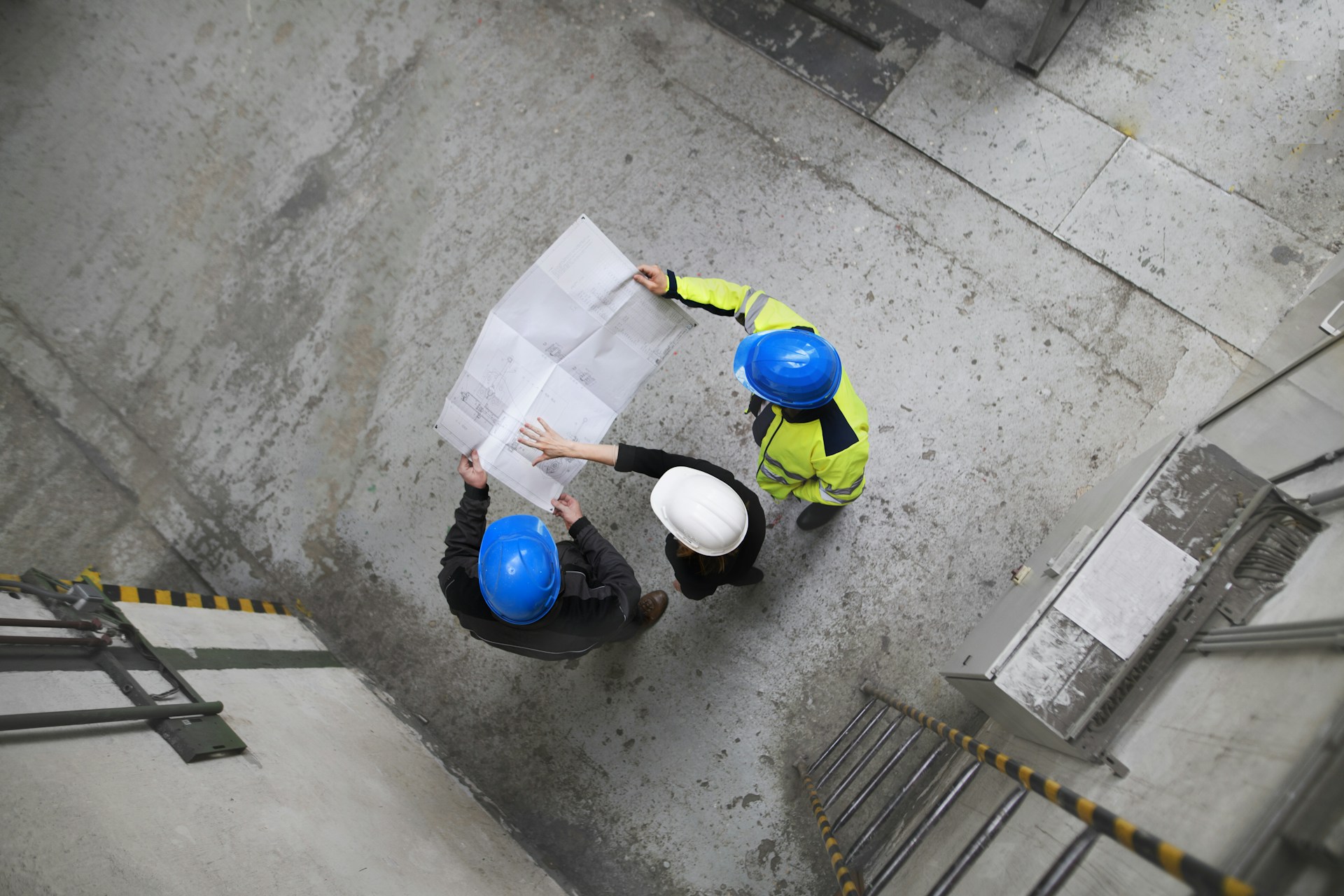
Because we act as a design-build team, we can look at the whole block’s calendar and help sequence work so crews, inspectors, and trade partners are not tripping over one another.
Turning Your Block Into a Model Rebuild Community
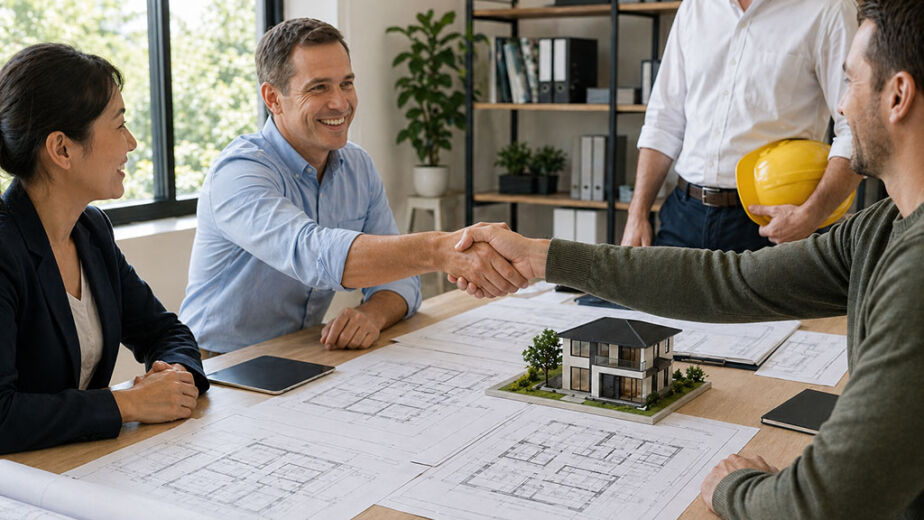
A fire can shake a neighborhood, but it can also bring people together around a shared rebuild plan. One of the best first steps is a simple “rebuild huddle” with the homes on your street that are facing Pacific Palisades fire damage demolition and rebuild decisions. That small meeting can surface what everyone wants: full new construction, layout changes, more resilient materials, and better modern systems.
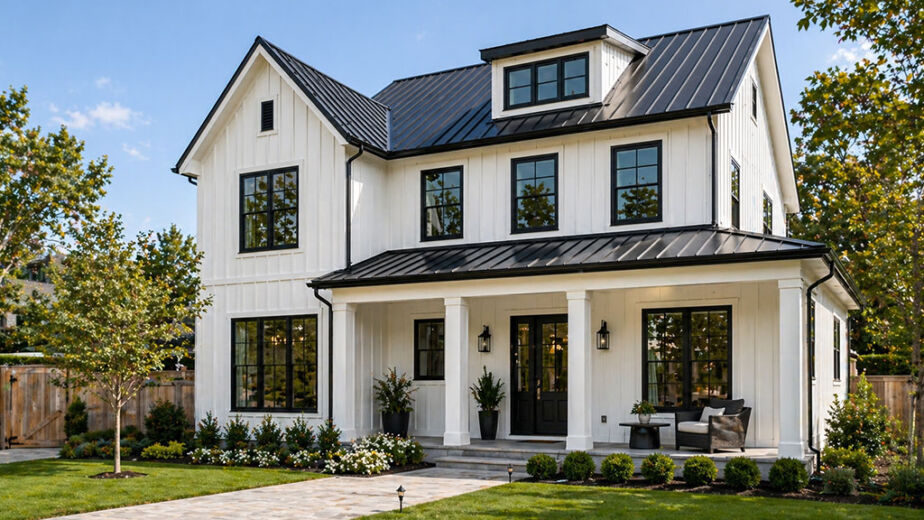
From there, you can start drafting a basic playbook for your block. List each property, note rough timelines, and mark shared needs like demo, trenching, staging, and parking. As a local design-build contractor focused on custom new homes and fire-loss rebuilds, we can then take that rough plan and help shape it into a coordinated schedule that works not just for one home, but for the whole street.
Get Started With Your Project Today
If your home has been affected by a fire, we can guide you through every step of a safe and efficient Pacific Palisades fire damage demolition and rebuild. At Pure Builders, we coordinate permits, inspections, and construction so you can focus on getting life back to normal. Reach out through our contact page today to discuss your situation and schedule a no-obligation consultation.