Rebuilding Stronger After Pacific Palisades Wildfires
Rebuilding after a wildfire is not just about putting walls and a roof back up. It is a chance to build a safer home that stands up better to the next fire season and works better for daily life. Many Pacific Palisades homeowners are seeing that patching together a damaged house often creates long delays, surprise issues, and a home that still feels at risk.
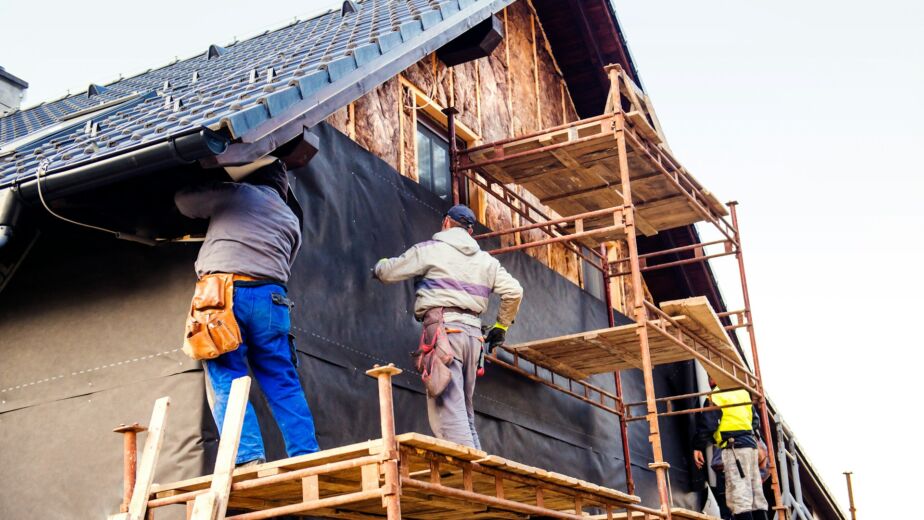
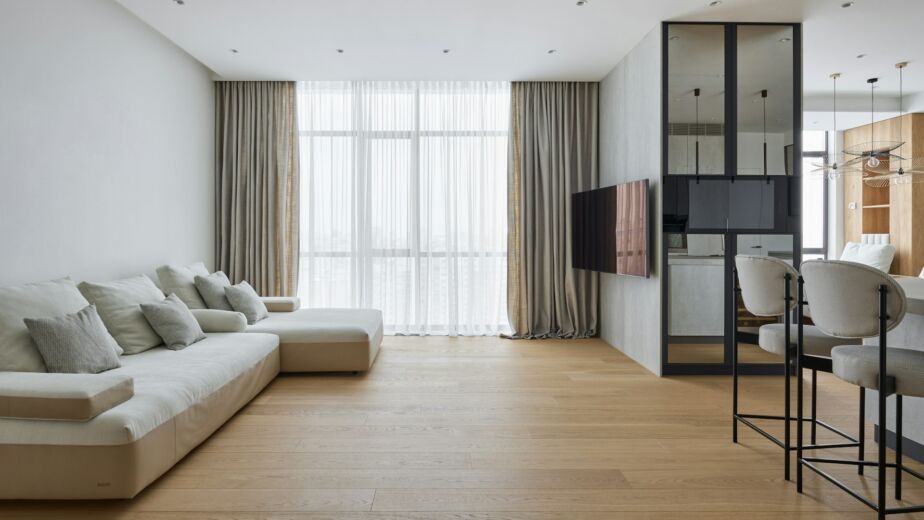
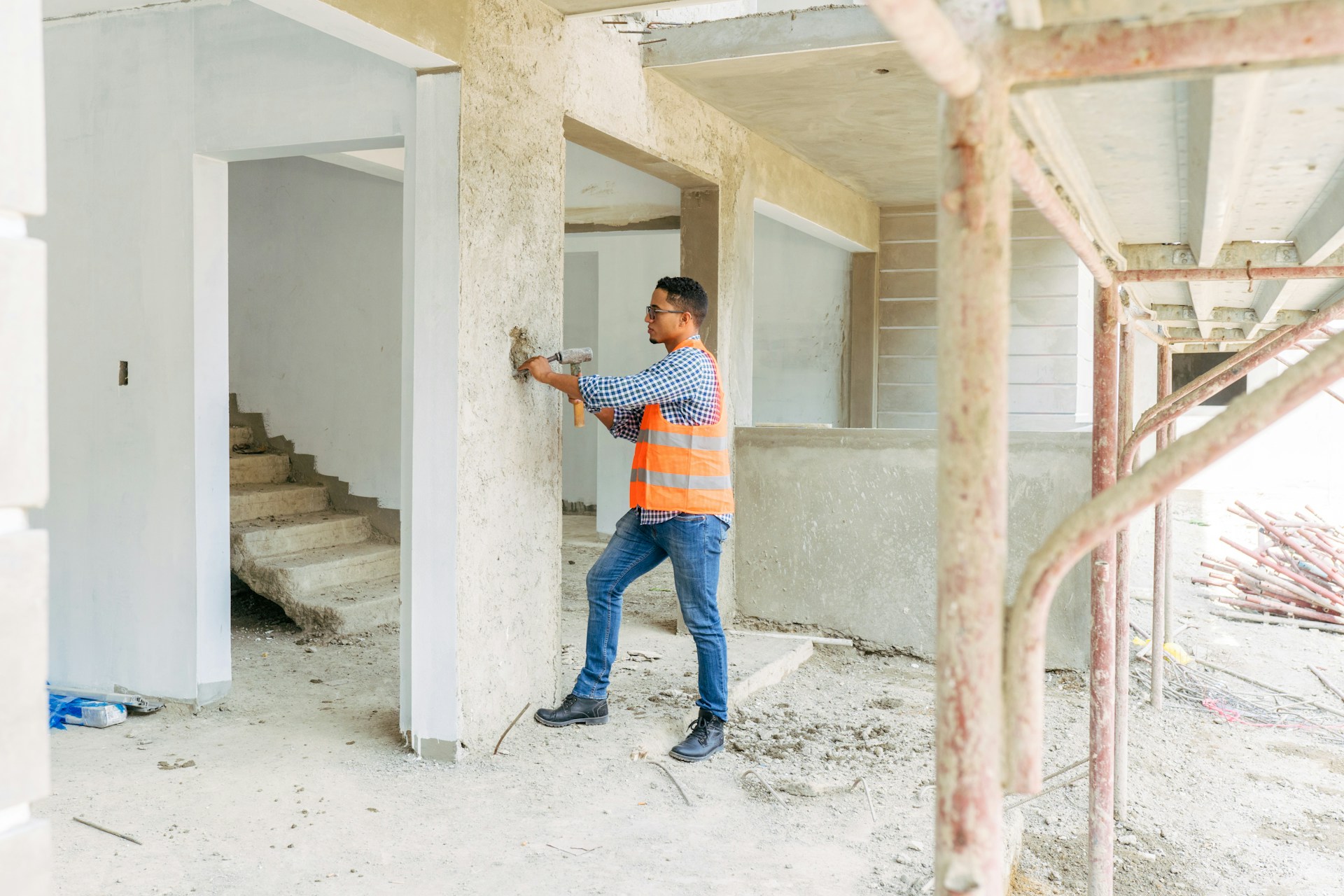
When fire damage is severe, a full demolition and new custom build can make more sense. A new home can be designed around current wildfire rules, smarter materials, better layouts, and modern engineering. That can help with safety, long-term value, and how insurance companies see your property.
We work in the Los Angeles area and see this choice often. A wildfire-ready rebuild, planned from the ground up, can leave you with a home that is stronger than what you lost and better matched to hillside living in Pacific Palisades.
Understanding California WUI Codes for Hillside Homes
Wildland-Urban Interface, or WUI, is the zone where homes meet brush, canyons, and open hillsides. Much of Pacific Palisades sits in a Very High Fire Hazard Severity Zone, so new homes there must follow California WUI codes. These rules shape how your home is designed, built, and finished.
Some of the key WUI requirements that affect your new build include:
- Ignition-resistant or noncombustible roofing with a Class A assembly
- Ember-resistant vents so hot embers cannot blow into an attic or crawl space
- Tempered glass windows that are more resistant to breaking from heat
- Noncombustible or ignition-resistant siding materials
- Covered and protected eaves and soffits to reduce exposed wood edges
Older homes were often built long before these rules existed. Trying to retrofit an old, fire-damaged structure to meet current WUI codes can turn into a chain of surprises. You fix one area, uncover hidden issues, then find that another part of the structure cannot be brought up to standard without major work.
A complete rebuild lets the whole design start from current WUI rules. Instead of forcing new safety features onto an old frame, you get a plan that treats wildfire resistance as a base layer, not an afterthought.
LA County Fire Rebuild Rules in Pacific Palisades
On top of state WUI codes, LA County and the City of Los Angeles add local rules, especially for hillsides and canyons. These affect how your home sits on the lot, where vegetation can be placed, and how emergency crews access your property.
For Pacific Palisades wildfire rebuilds, some of the site planning issues that often come up include:
- Setbacks from slopes, especially near steep drop-offs
- Fuel modification zones, where plants must meet strict rules or be removed
- Defensible space clear around the home to slow fire spread
- Driveway slope, width, and turnaround areas for fire trucks
These rules can change your footprint compared to the pre-fire home. A new house may need to sit slightly higher, move away from a slope edge, or shift to allow more clear space on the fire-facing side. Decks, retaining walls, and stairs may also need to be rethought so they work with access and brush rules.
The permit path usually runs through Building and Safety, the Fire Department, and Planning. Each agency looks at a different piece of the project, from structural plans to driveway access to hillside grading. A design-build team can keep all of this connected so one change for fire access, for example, does not clash with your architectural plans or structural layout.
Designing a Wildfire-Ready Custom Rebuild
A wildfire-ready home starts on paper, long before construction. The shape of the house, the angles of the roof, and the way outdoor spaces connect all affect how fire and embers may hit the structure.
Some smart architectural choices for a Pacific Palisades fire damage demolition and rebuild include:
- Simple rooflines with fewer valleys where leaves and embers can collect
- Limited roof overhangs that are properly boxed in and protected
- Placing large windows away from areas likely to see the highest heat
- Separating or carefully detailing attached garages and decks so they are less likely to ignite and spread fire to the main house
Material choices are just as important. Many homeowners choose to go beyond the minimum code when they rebuild. That often means:
- Class A roofing systems from the sheathing up, not just the top layer
- Noncombustible or ignition-resistant cladding such as fiber cement or stucco
- Ember-resistant vents at all attic and crawl-space openings
- Hardscape like pavers, gravel, or concrete near the home instead of dense plants or wood mulch
Starting from scratch also makes it easier to bring in modern structural engineering and energy features. Title 24 energy rules, solar-ready roofs, tight building envelopes, and large sliding doors for indoor-outdoor living can all be planned so they do not weaken fire resistance. For example, big glass openings can be built with tempered glazing, exterior shading, and noncombustible framing so they feel open but still respect WUI rules.
Insurance-Friendly Documentation From Day One
When a wildfire hits, insurance becomes a major part of the story. The way damage and rebuilding are documented can affect both the claim and how insurers view your new home going forward.
Early in the process, insurers often want to see:
- Clear pre-demolition photos and videos of the structure and contents
- Professional damage assessments describing what was destroyed or compromised
- A detailed scope of loss that lines up with your policy language
As you move into the rebuild, strong documentation continues to matter. Helpful records include:
- Material specifications showing ignition-resistant and WUI-compliant products
- Code-compliance notes and approvals tied to each phase of construction
- Inspection records from the Department of Building and Safety and the Fire Department
- Signed change orders that explain any shifts in scope
- Final as-built plans that show exactly what was constructed
When this information is organized from the start, it can be easier to work with adjusters and show that the new home is not just replaced, but rebuilt to a safer standard. That can help present your property as a lower risk, which is something insurers pay close attention to in high fire areas.
Preparing Now for Next Fire Season and Beyond
Summer is when many Pacific Palisades homeowners start thinking ahead to the windy months. Waiting until late in the year to plan a rebuild often means racing the calendar. Starting design, permitting, and demolition earlier puts you in a stronger position when the next round of fire weather shows up.
Treating a total or near-total loss as a chance to rethink your home can be hard emotionally, but it can also be powerful. A wildfire-ready custom rebuild can give you:
- A home that meets current California WUI codes and local hillside rules
- A layout that matches how you actually live today, not decades ago
- Materials and details that are picked with fire, sun, and long-term value in mind
With the right team, a Pacific Palisades fire damage demolition and rebuild can move from a painful event to a thoughtful reset. The goal is simple: a home that feels safer, works better, and is built for the terrain and fire reality of your neighborhood.
Get Started With Your Project Today
If your home has been impacted by a fire, we can guide you through every step of a safe and efficient Pacific Palisades fire damage demolition and rebuild. At Pure Builders, we focus on restoring both the structure and your peace of mind with careful planning, transparent communication, and high-quality construction. Reach out to us through our contact page so we can discuss your situation and outline a clear plan to move forward.