Start Your Wildfire Rebuild with the Land, Not the House
Rebuilding after a wildfire in Pacific Palisades is not only about designing a new house. The first priority is understanding your land, especially on a steep or canyon lot with strong winds and new fire rules. If the site strategy is wrong, even the nicest floor plan can create headaches with drainage, fire exposure, and access.
Before sketching a single room, three big pieces need to come first: hardscape planning, drainage and grading design, and defensible space layout. Together, they shape how fire, water, and people move on your property. When those are planned first, your new home can sit in the best spot for safety, comfort, and long-term performance.
Demolition, Debris, and Lot Readiness After a Wildfire
Once a fire moves through, the lot may look clear at a glance, but it is not ready to build on yet. There is a careful process that needs to happen so the site is safe, compliant, and smartly prepared for the next home.
Key early steps usually include:
- Safety and structural evaluation so no one walks into a weak structure or unstable slope
- Utility shutoffs for gas, power, and water to prevent leaks and new damage
- Asbestos and hazardous material testing when older building materials or ash may be present
- Debris removal that follows City of Los Angeles and CalRecycle rules for sorting, hauling, and disposal
Thoughtful demolition is not just about clearing everything as fast as possible. On many Pacific Palisades lots, there are pieces worth studying and sometimes keeping. For example, an existing driveway in good condition might be widened or slightly reshaped instead of fully replaced. A retaining wall that is still structurally sound might be reinforced and tied into a better drainage plan.
This approach helps:
- Preserve stable soil where possible
- Avoid cutting into slopes that are already performing well
- Protect any structures that can be repurposed or upgraded instead of fully rebuilt
When demolition and planning are handled together, it is easier to document conditions for insurance, coordinate with adjusters, and get the lot truly ready for the next phase of work.
Hardscape and Grading That Direct Fire, Water, and Access
On a Pacific Palisades hillside, hardscape is not just about looks. Driveways, retaining walls, terraces, and walkways can work like tools that manage fire, water, and emergency access.
With the right layout, hardscape can:
- Act as firebreaks that slow or redirect flames and embers
- Give fire crews safer access around your home
- Guide stormwater into planned paths instead of random washouts
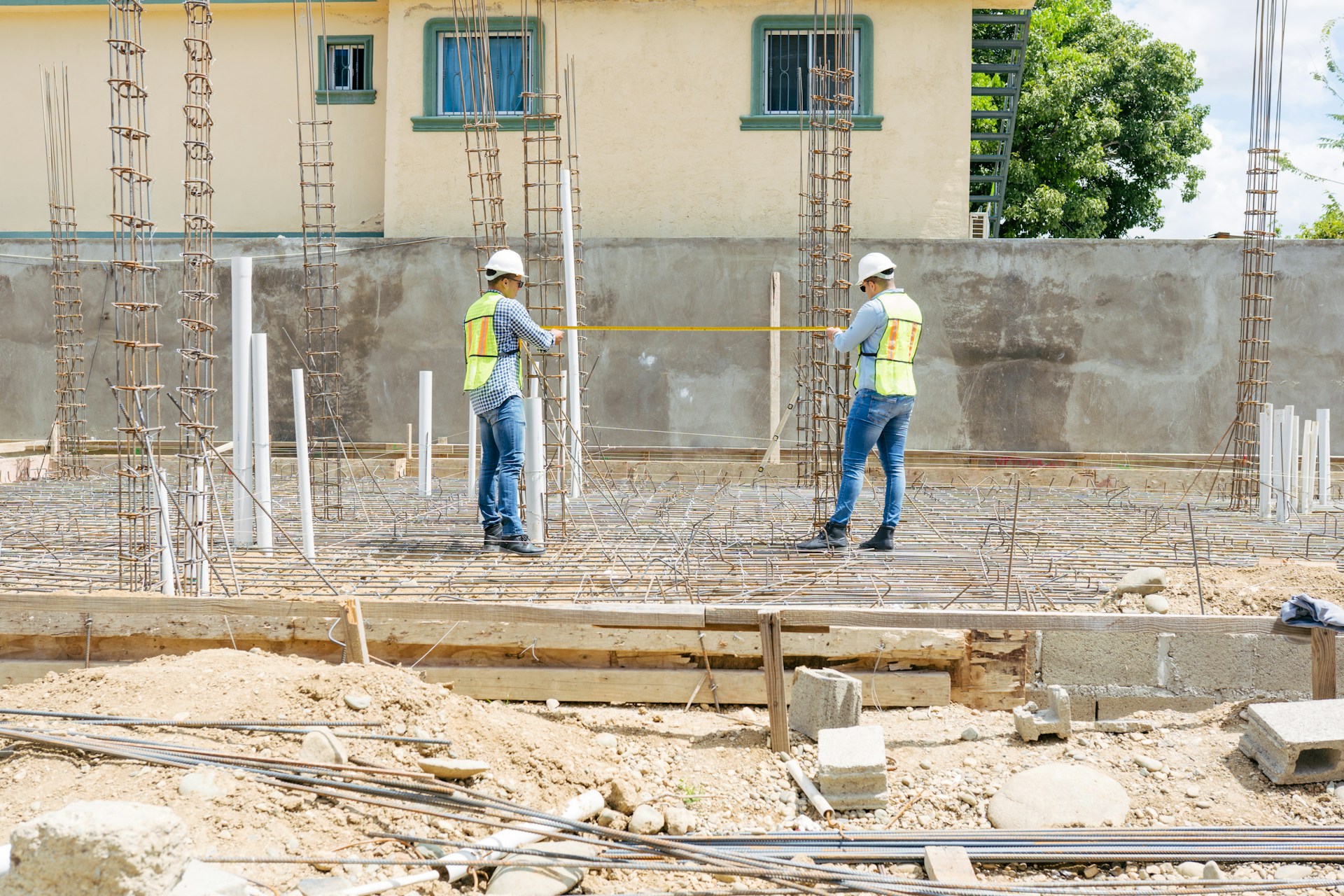
Early grading and drainage planning is just as important. Before floor plans are drawn, it helps to answer questions like:
- Where will water naturally run during a big rain?
- How do we keep runoff away from the future foundation?
- Where should bioswales, drains, and permeable pavers go to calm down heavy flows?
On steep or canyon lots, smart grading reduces the risk of erosion and mudflows after storms. Slopes are shaped to move water in controlled channels, not straight at retaining walls or living spaces. Permeable materials can let water soak into the soil instead of pooling.
When civil engineering, architecture, and construction planning are coordinated from the start, the site work is set before architectural massing is finalized. That helps avoid constant plan changes later, which often add stress and slow approvals.
Defensible Space and Landscape Zones Before Floor Plans
Defensible space is not just a landscape detail at the end. For fire rebuilds, it needs to be part of the very first site conversations. The land around your future home can be broken into zones that change how close plants, decks, and even windows should be to each other.
A simple way to think about it:
- Immediate zone next to the house, built from non-combustible surfaces like gravel, pavers, or concrete
- Reduced fuel zone where plants are lower, spaced out, and kept away from tree canopies and structures
- Transition zone that blends into canyon slopes or neighboring lots with managed, thinned vegetation
Where trees and shrubs go influences where it is smart to put outdoor rooms, glazing, and upper decks. For example, if a canyon side carries strong winds, that may not be the side where you want a deep overhang filled with cushions and wood furniture right up against dense shrubs.
On the flip side, when plantings and hardscape are planned first, it becomes easier to place:
- Sliding doors that open to cooler, safer courtyards
- Shaded terraces framed by fire-wise plants
- View windows that do not stare straight into the main fire path
The goal is to balance safety with the kind of indoor-outdoor living people love in Pacific Palisades, while still aligning with local fire department expectations and insurance needs.
Aligning Drainage, Utilities, and Future Home Design
Underground work often gets less attention during early design talks, yet it can control where the house, garage, ADU, and outdoor amenities really fit. Once trenches are in the wrong place, it is much harder to move big elements later.
Planning ahead includes:
- Locating main drainage lines and any cisterns or rainwater features so they do not conflict with foundations
- Mapping power, gas, water, and sewer routes that support a logical layout for the main home and any secondary structures
- Allowing for clear access paths for fire crews, visible addressing, and space around hydrants or water connections
Local wildfire-related rules keep evolving, especially concerning spark-resistant materials, clearances, and access. By thinking about these while placing drainage lines and utilities, the whole site plan can move through approvals more smoothly.
Modern 3D site modeling can help test different building placements on your lot. It lets you study how a structure sits relative to:
- Slopes and possible slide paths
- Views and sun exposure
- Likely fire behavior from canyons or open space
Once the best spot and orientation are clear, the broader site plan can be locked in before the architect spends time on details like interior layouts, finishes, and custom features.
Move From Lot Strategy to a Fire-Ready New Home
Summer and early fall tend to be when fire risks feel most real in Pacific Palisades, and that can make it a powerful time to focus on demolition, site review, and planning. While the days are long, there is an opportunity to clear the lot, study soils, set hardscape concepts, and confirm defensible space zones. When that groundwork is done early, major grading, concrete, and structure can move forward more smoothly as the seasons shift.
Pure Builders focuses on new home construction and full-structure wildfire rebuilds, handling the process from first site walk to final inspection. By starting with the land, we help shape a lot strategy that respects steep slopes, coastal canyons, and fire exposure. With in-house design and build teams working together, the aim is a fire-smart, beautiful home that fits your Pacific Palisades property from the ground up.
Get Started With Your Project Today
If your property has suffered fire damage, we are ready to guide you through every step of a safe and efficient rebuild. Learn how our experienced team handles each phase of Pacific Palisades fire damage demolition and rebuild, from structural assessment to final construction. At Pure Builders, we focus on clear communication, quality workmanship, and timelines you can count on. Reach out through our contact page to schedule a consultation and take the first step toward restoring your home.