Protecting Your Family and Investment After a House Fire
A house fire hits hard. Your head is spinning, you are worried about your family, your things, and what happens next. In the middle of all that, you are asked to make fast choices about repair, insurance, and where you will live. Those early choices can shape your safety and your long-term property value.
Many homeowners want to fix only what they can see. A fresh coat of paint, new cabinets, and a patched roof can look good on the surface. But fire and smoke often reach deeper. If hidden framing, wiring, or air systems are damaged, a quick repair can turn into a long list of problems later. For many Southern California homes, especially in wildfire areas, a complete home rebuild after a fire can give a safer, stronger, and more future-ready result than patchwork repairs.
When Repairs Are Not Enough for Fire Damage
Not all fire damage is the same, and not every home needs to be torn down. In general, there are three levels of work:
- Cosmetic repair, like paint, flooring, and light surface cleaning
- Partial renovation, where some walls, rooms, or systems are replaced
- Full structural reconstruction, where most or all of the home is rebuilt
Cosmetic repair may be fine for a small kitchen flare-up that was stopped quickly. Partial renovation may work when the fire stayed in one area and did not harm the main frame of the house. A complete home rebuild after a fire becomes the better choice when key parts of the structure are no longer safe.
Red flags that repairs may not be enough include:
- Framing that is charred, cracked, or noticeably warped
- Roof trusses that sag, split, or no longer hold straight lines
- Beams that twist or bow when load is applied
- Foundation spalling, cracking, or signs of high heat exposure
- Heavy smoke and water damage in many rooms, not just at the fire source
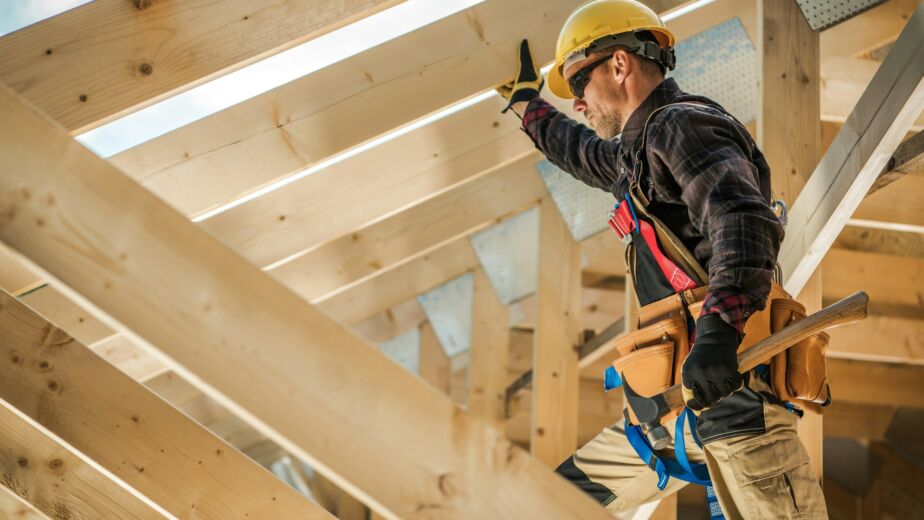
Licensed structural engineers and experienced fire rebuild contractors look at how loads travel through the home, from roof to foundation. They review whether framing, connections, and anchors can safely support the structure and meet current building codes. If the skeleton of the house is weakened in many places, a full reconstruction is often the safest path.
Hidden Dangers Lurking Behind Fire-Damaged Walls
The scariest part of fire damage is what you cannot see. Walls and ceilings can hide serious problems that do not show up in a quick walkthrough.
Common hidden issues include:
- Charred studs and joists inside walls that still look solid from the outside
- Melted or brittle electrical wiring, junction boxes, and panels
- Damaged plumbing lines that may later leak or burst
- Soot trapped in insulation, ductwork, and small cavities
Smoke and soot do not just smell bad. They can carry fine particles and chemicals that stick to surfaces and float in the air long after the fire. When mixed with moisture from firefighting or leaks, they can stain, corrode metal, and weaken parts over time. On top of that, standing water and damp materials can lead to mold growth.
Health and indoor air quality can suffer from:
- Lingering smoke odor that never fully clears
- Irritation to eyes, nose, and throat from soot particles
- Long-term exposure to residues on walls, floors, and air ducts
- Mold in hidden spaces where materials stayed damp
Trying to live in or lightly repair a severely fire-damaged home can create long-term health and safety risks. Closing up walls without fully cleaning, removing, and replacing damaged materials can trap problems inside the house. A full reconstruction lets a team strip the home down to sound structure, remove all damaged layers, and rebuild systems so the air you breathe is clean and safe.
Key Signs Your Home Needs Full Reconstruction
So how do you know when it is time for a complete home rebuild after a fire instead of partial repair? Some signs are clear:
- Multiple rooms burned or gutted, not just one small area
- Roof collapse or large sections of roof framing destroyed
- Extensive damage to load-bearing walls, beams, or columns
- Serious foundation cracking or shifting tied to fire or heat
Then there are the borderline cases. On paper, a contractor may be able to repair the home. But by the time you:
- Remove all damaged framing, drywall, flooring, and insulation
- Replace electrical, plumbing, and HVAC to meet current code
- Properly clean, seal, and test for smoke and soot
- Restore finishes to match or improve the original
You may be close to the same effort as rebuilding from the slab or foundation up. In wildfire-prone areas of Southern California, another factor comes in: future risk. Many homeowners choose full reconstruction so they can build with modern, more fire-resistant materials, tighter building envelopes, and smarter layouts that limit ember entry and improve escape paths.
Insurance, Budget, and the Power of Design-Build for Fire Rebuilds
Insurance can feel confusing after a fire, especially while you are staying in temporary housing and trying to plan your life. Adjusters generally look at whether the home can be repaired to pre-loss condition within your coverage limits, including code upgrades and debris removal.
A skilled design-build contractor can help by preparing:
- Detailed damage assessments and photo documentation
- Clear scopes of work for repair vs full rebuild options
- Realistic cost ranges tied to code-compliant construction
- Timelines that consider permits, design, and construction phases
This information supports your claim and helps you and your adjuster compare repair against full reconstruction. It also helps you make smart choices before short-term housing help runs out.
One benefit of starting fresh is the chance to rethink how your home works for you. With a full rebuild, you can:
- Improve the floor plan for everyday living
- Add better natural light and connection to outdoor spaces
- Upgrade insulation, windows, and systems for comfort and energy savings
- Choose exterior materials that stand up better to heat and falling embers
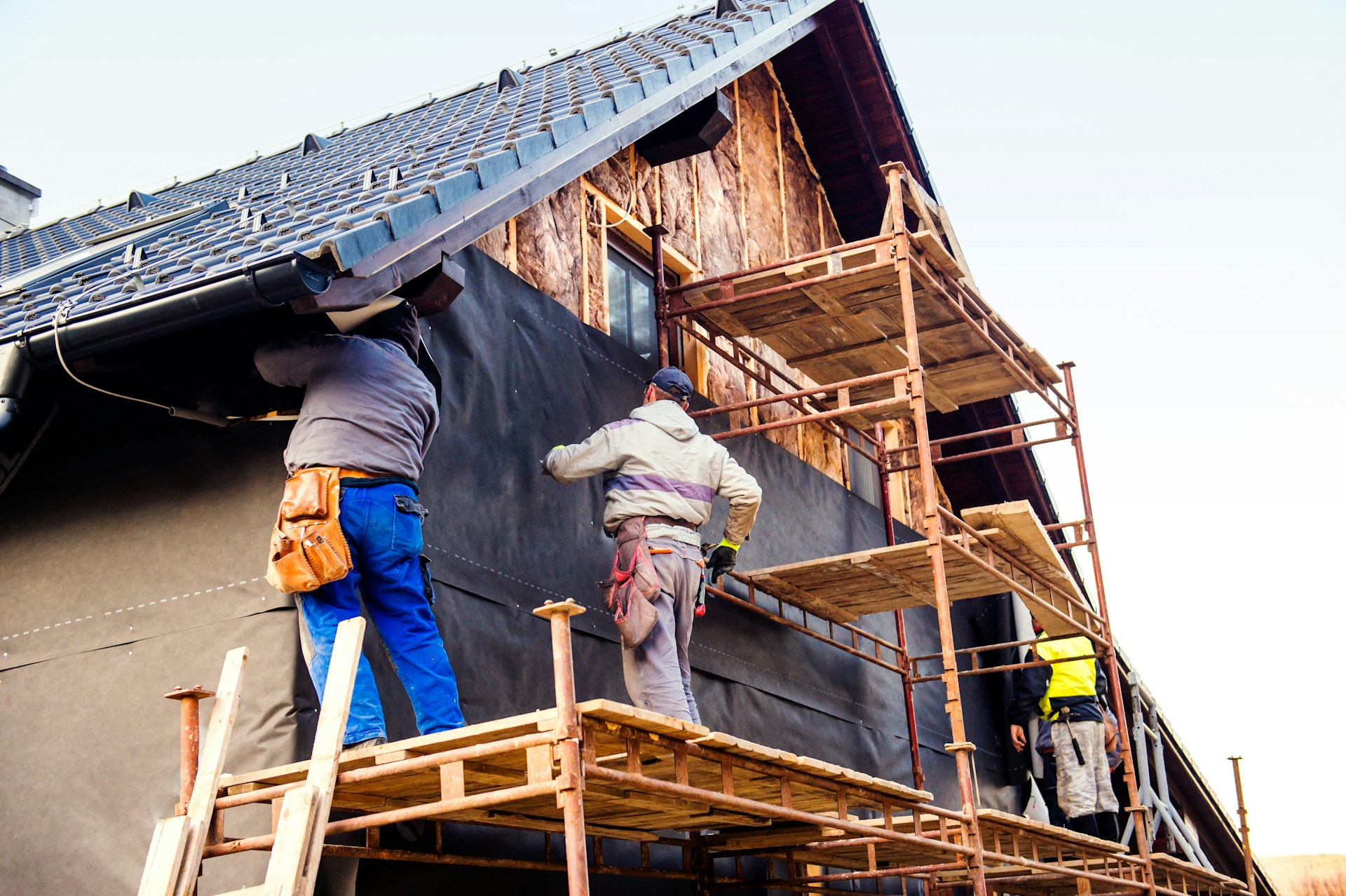
A design-build setup brings architects, engineers, and builders under one roof. Rather than handing your project from one company to another, you have a single team that plans and builds together. This often means fewer surprises, better coordination with city departments, and smoother progress from first sketch to final walkthrough.
In our work in Southern California, we see how stressful fire loss is for families. Our design-build approach for new homes and full fire-rebuild projects is built around clear communication, respect for your time, and careful planning so the finished home is not just repaired, but truly rebuilt for the future.
Get Started With Your Project Today
When you are ready to talk about a complete home rebuild after a fire, we are here to guide you through every step with clarity and care. At Pure Builders, we listen to your priorities, explain your options, and create a detailed plan so you know what to expect from day one. Reach out to us through our contact page today so we can help you move from loss to a fresh start with a home built to last.