Build Back Smarter: Materials Your Insurer Can Support
Rebuilding after a wildfire in Pacific Palisades is not just about getting walls and a roof back up. It is about making sure the next version of your home is smarter, safer, and easier for your insurance carrier to support. When red flag warnings are common, hillsides are steep, and streets are narrow, a fire-conscious rebuild stops being a luxury and becomes a basic need.
Many homeowners focus on finishes and floor plans first. Insurers look at something different. They focus on how your roof, siding, windows, and yard will behave when embers and heat reach your property. If those pieces do not line up with wildfire-focused building codes and carrier guidelines, you can see higher premiums, extra conditions, or even coverage problems.
Our team at Pure Builders works on full fire-damaged home rebuild projects and new custom homes across the Los Angeles area, including Pacific Palisades. With in-house design and permitting, we are used to coordinating early with adjusters and carriers so the rebuild plan makes sense for everyone. Below, we walk through four high-impact categories: roofing, exterior cladding, glazing, and defensible space, so you can think about insurance-safe choices before design and construction are locked in.
Roofing Systems That Calm Underwriters
For wildfire risk, the roof is where underwriters look first. Wind-blown embers land and collect there long before any direct flame reaches your walls. Insurers pay close attention to your roof type, fire rating, and age, especially in high-risk ZIP codes, like Pacific Palisades.
Carriers often favor Class A fire-rated roofing systems, since these are tested for high resistance to fire from the outside. Options that usually fit into that category include:
- Concrete or clay tile over a proper fire-rated underlayment
- High-quality composition shingles that are listed as Class A
- Standing seam metal roofing with a non-combustible assembly under it
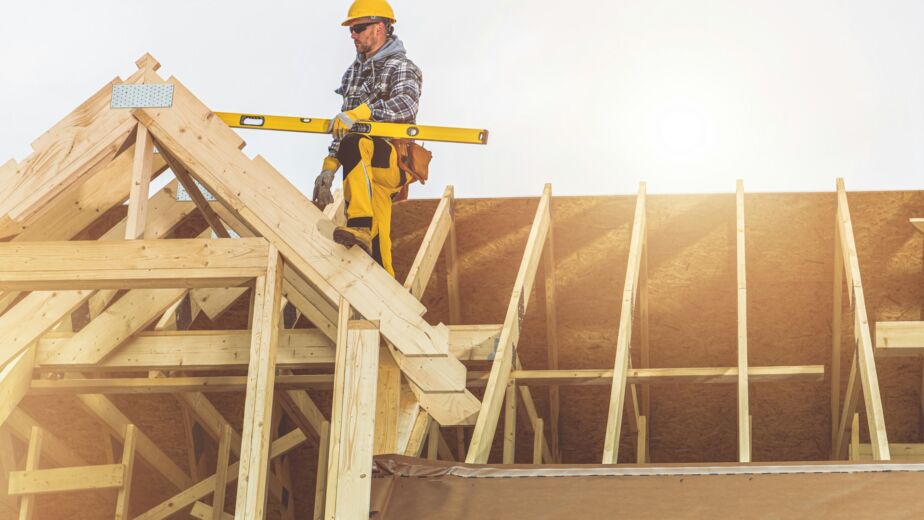
Material is only part of the story. The roof design itself can either catch embers or shed them. Simple, low-slope or moderate-slope roof forms with fewer valleys and dead corners give embers fewer places to sit and start trouble. Closed soffits, ignition-resistant fascia and eaves, and covered gutters with metal guards or screens all cut down ignition risks at the edges.
As a design-build firm, we can shape the roof form early in the process to help with:
- Reducing complex rooflines that tend to trap embers
- Choosing ventilated ridges and ember-resistant vents instead of open gaps
- Documenting the full roof assembly so your insurer clearly sees the Class A system
When the roof package is clear, written down, and code-aligned, it often makes insurance reviews smoother and avoids last-minute requests to change materials.
Exterior Cladding That Performs in Wildfire Zones
Siding choices have a big effect on how your home behaves in a wildfire. Traditional wood siding and wood shingles are attractive, but they are also fuel. Many major carriers use wildfire risk scores that are influenced by how combustible your exterior walls are.
From an insurance lens, cladding types often fall into two broad groups:
- Higher-risk: natural wood siding, wood shingles, untreated board-and-batten
- Insurance-friendly: fiber cement board, non-combustible stucco systems, engineered ignition-resistant panels
Fiber cement and stucco do not feed a fire the way exposed wood can. When paired with metal or cementitious trim around windows, doors, and corners, these systems shrink the weak spots where embers can sneak in. Some carriers now look not only at what is on the surface, but at the full wall assembly, including:
- Continuous exterior insulation that reduces gaps and voids
- Properly flashed joints and penetrations
- Non-combustible or ignition-resistant trim and soffit materials
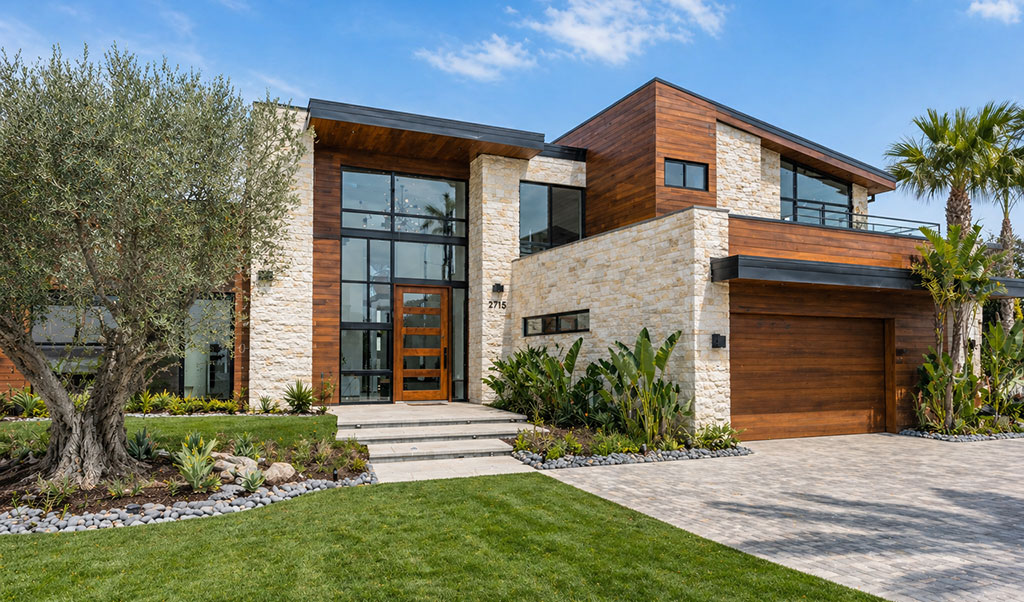
A common fear is that wildfire-ready cladding will make a home feel like a bunker. That does not have to be the case. With a design-forward approach, we can blend smooth stucco, fiber cement panels, and clean metal details into modern coastal styles that fit Pacific Palisades. You get horizontal lines, warm colors, and crisp shadows, while still giving your carrier a clear, fire-conscious exterior story.
Fire-Resistant Glazing and Openings That Keep Embers Out
Windows and doors can be a weak point when a wildfire gets close. Radiant heat can crack thin glass. Flying debris can break it. Once glazing fails, embers and heat have a direct path into your living spaces, which is why insurers are asking more questions about window type and protection.
Stronger, more fire-aware glazing options typically include:
- Dual-pane or triple-pane glass, with at least the outer pane tempered
- Aluminum-clad or fiberglass frames that do not melt in high heat
- Careful, limited use of vinyl in high-exposure locations
- Tight-sealing assemblies that reduce gaps at the sash and frame
On operable windows, added layers of protection can help, such as:
- Ember-resistant screens with fine metal mesh
- Non-combustible shutters or panels designed to close over glass in high-risk locations
- Well-detailed window trim in fiber cement or metal, not raw wood
Higher-spec glazing is not just about safety. When we wrap these window and door choices into a full wildfire-mitigation package, we can give insurers a clean set of details that shows how openings are protected. That can prevent surprise carrier requests to swap out windows late in the build, when changes are more disruptive.
Defensible Space and Hardscape That Satisfy Carriers
Defensible space means shaping the area around your home so it does not feed a wildfire. In Pacific Palisades, where lots can be on hillsides or tucked into canyons, this planning is especially important. Many guidelines break the area around your home into zones, starting with the zone closest to the walls.
The first 5 feet around the house, sometimes called the home ignition zone, is where carriers often focus. For that strip, insurance-safe choices usually include:
- Gravel, decomposed granite, or concrete instead of bark or wood mulch
- Metal or masonry planters instead of combustible raised beds
- Ignition-resistant decks, stairs, and landings right next to the house
- Fences that switch to metal or masonry where they meet the structure, with any wooden gate separated by a bit of non-combustible material
Beyond that first band, plantings can be more flexible, but spacing and maintenance still matter. Taller shrubs and trees should be placed so they do not form a direct ladder for flames from the ground up to the eaves. On steep slopes, terraced retaining walls, open hardscape, and carefully placed trees can break up fire pathways.
Because we work on new construction and full fire-damaged home rebuild projects, we can design defensible space into the site plan from day one. That includes:
- Locating driveways and walkways to double as fuel breaks
- Positioning outdoor living areas with more concrete or stone near the house
- Coordinating with landscaping professionals so irrigation, plant choice, and hardscape all reinforce wildfire safety
When these elements are clear on your plans, insurers can more easily see that defensible space is built in, not just promised as a future yard project.
Turn Your Rebuild Into an Insurance-Ready New Home
A fire-damaged-home rebuild in Pacific Palisades is a chance to create a new home that is safer and more resilient than what stood there before. Instead of copying the old structure, you can use updated wildfire codes, local guidance, and insurance feedback to shape a smarter design from the ground up.
At Pure Builders, we focus on new custom homes and full fire rebuilds, so we think about insurance from the very first sketches. When roofing, exterior cladding, glazing, and defensible space all work together, it can support better coverage options, fewer carrier objections, and a home that is ready for the long term. As spring planning picks up and fire season edges closer on the calendar, it is a good time to review your lot, your goals, and your insurance needs before any rebuild plans are set in stone.
Get Started With Your Project Today
If you are ready to restore your property after a fire, we are here to guide you through every step of a fire-damaged home rebuild. At Pure Builders, we focus on rebuilding safer, stronger homes that fit your vision and budget. Reach out to us so we can evaluate your damage, outline clear options, and create a realistic timeline. Have questions or need a consultation scheduled quickly? Just contact us to get started.