Turning a Devastating Fire Into a Fresh Start
Losing a home to fire hurts. It feels unfair, sudden, and overwhelming. At the same time, once the smoke clears, many homeowners start asking a big question: if we have to rebuild anyway, how can we turn this loss into a safer, smarter, truly new home that fits how we live now?
That is where a fire rebuild can become a fresh start. Instead of just putting the house back together as it was, you can design a custom new home that reflects today’s needs and tomorrow’s plans. When you work with a complete fire rebuild contractor that also builds custom new homes, you get one team thinking about safety, structure, design, and permits at the same time, which keeps the process more organized and less stressful.
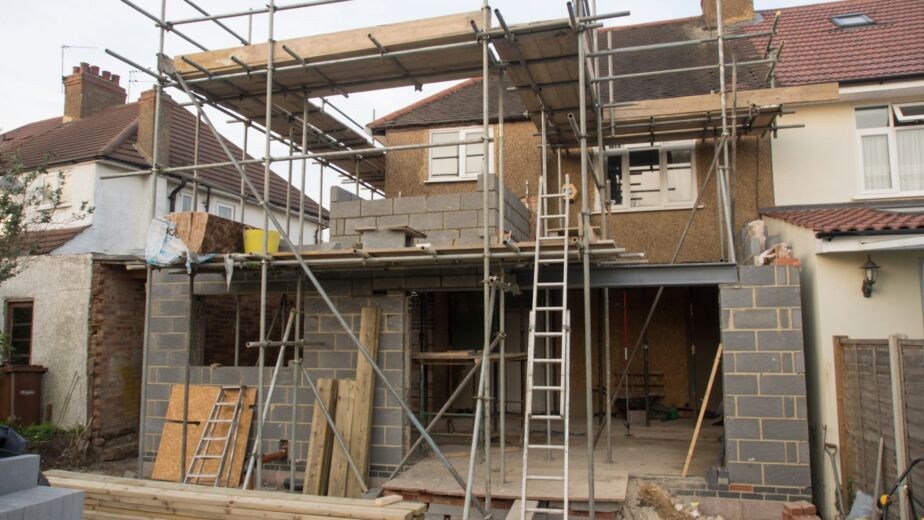
In Southern California, many people choose a full fire rebuild as an opportunity to build a new home rather than pursue short-term repairs. They want a home that handles wildfire risk better, feels more open, connects to the yard, and meets current building codes from the start. If the house must be rebuilt, it can be rebuilt right, as a modern new home designed around your life.
Clarifying Your End Goal Before You Talk Numbers
Before talking budgets, it helps to be very clear about your true goal. Are you simply trying to recreate what you had before, or are you ready to approach this as a custom new-home project that fits how you live now?
Some key questions to think about:
- Do you want the same layout, or do you wish the old floor plan worked better?
- Are there lifestyle changes coming, like parents moving in or kids moving out?
- Do you care more about fast move-in, or long-term comfort and flexibility?
Long-term factors matter. Insurance payout limits can shape how far upgrades can go. Age-in-place needs might call for a first-floor bedroom, wider hallways, or fewer steps. Resale value and wildfire resilience are also important in our region, along with energy efficiency requirements in California that affect insulation, windows, and systems.
Early design talks with a design-build firm can bring all of this into focus. We can help you sort your wish list into what is required, what is strongly recommended, and what is more of a nice-to-have. Then we can match that to local codes and realistic new-construction paths so you are making choices with clear information, not guesses.
Budget Tiers for Fire Rebuilds and Custom New Homes
Most fire rebuilds and custom new homes fall into three broad budget mindsets. All three result in a brand-new structure; the difference is how fully you take advantage of the opportunity to design a new home.
Tier 1: Code-minimum, insurance-driven new build
This tier focuses on safety, speed, and getting you home again with fewer design changes. The goals are:
- Meet current code and fire requirements
- Re-establish a similar layout with small tweaks
- Keep upgrades minimal and stay close to insurance
You still end up with a completely new structure built to current standards, but you are not pushing layout or finishes very far beyond what you had.
Tier 2: Enhanced new build with smart upgrades
Here, you use the fire rebuild as a chance to significantly improve the layout, exterior style, and finishes without going all-in on a fully bespoke project. Typical moves include:
- Reworking walls for better flow and light
- Upgrading exterior look and curb appeal
- Choosing nicer finishes in key spaces
You stay close to what insurance supports plus a controlled out-of-pocket plan, and a complete fire rebuild contractor can build in allowances and contingencies so choices stay within that plan.
Tier 3: Full custom new home clean slate
This is where you treat the fire as a reset and design a custom new home from the ground up. For many homeowners, this is the most rewarding path because it maximizes the long-term benefits of rebuilding. Priorities often include:
- A new footprint and layout tailored to your lifestyle
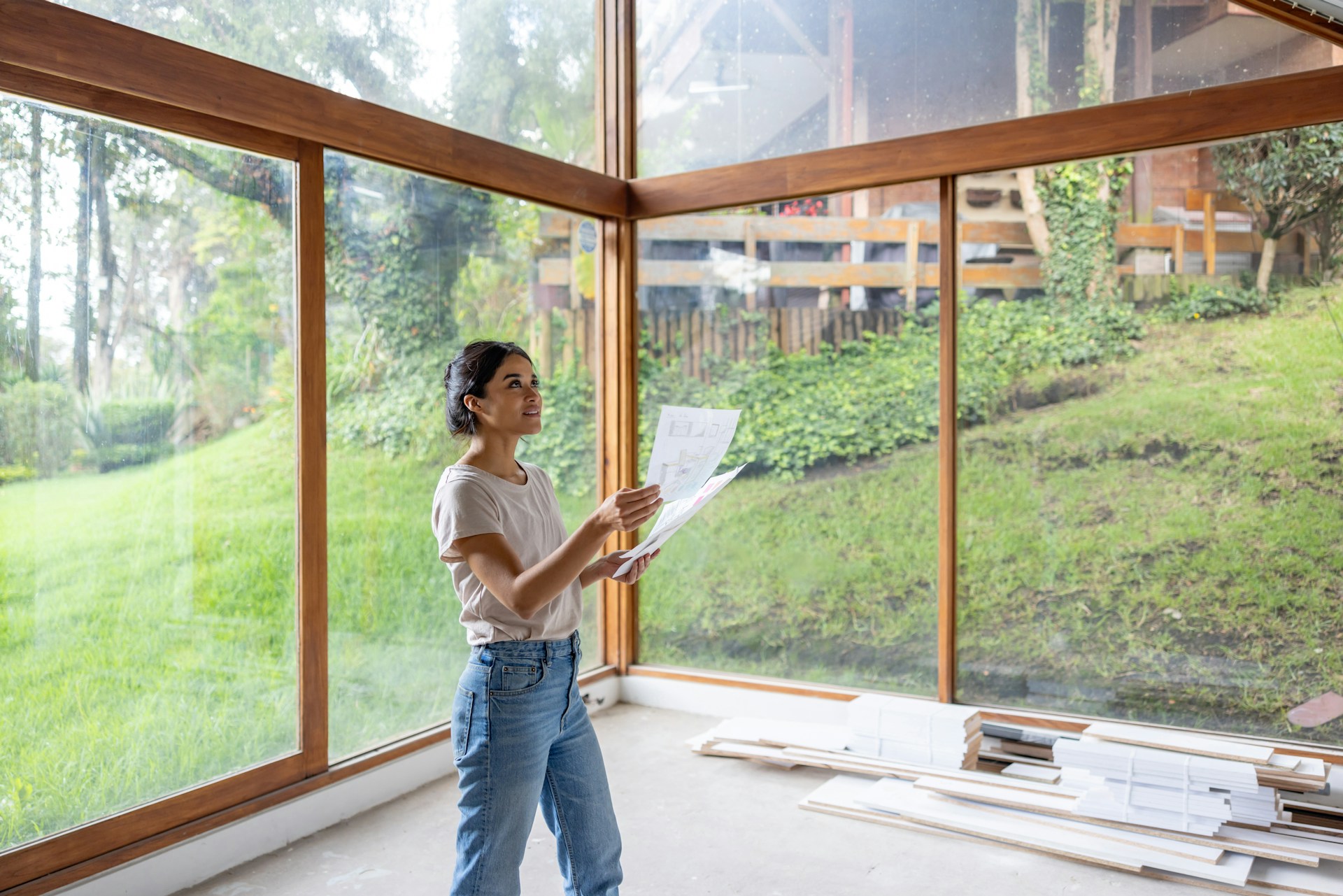
- Better use of views, natural light, and indoor-outdoor living
- Strong focus on performance, comfort, and long-term value
In each tier, a good contractor lays out clear allowances for finishes, explains contingency plans for surprises, and shows you upgrade options in a way that keeps decisions simple and honest. Whenever possible, we encourage homeowners to lean toward Tier 2 or Tier 3 so the investment of rebuilding truly results in a higher-performing, better-fitting new home.
Smart Upgrades with the Best ROI After a Fire
Once you know your tier, the next step is deciding where upgrades give the most return on investment, both in daily life and future resale.
Structural and safety upgrades worth strong consideration:
- Fire-resistant exterior materials and Class A roofing
- Sprinkler systems and improved egress paths
- Thoughtful defensible space around the home
These choices can support peace of mind and can be attractive to future buyers in wildfire-prone areas.
Performance upgrades that work well in Southern California’s climate include:
- Quality insulation and air sealing for comfort
- High-performance windows that help with heat and glare
- Solar-ready roof planning and efficient HVAC systems
Lifestyle upgrades round things out. Popular choices are open-concept living, larger doors to patios, flexible guest or studio space, and better storage. In general, it is smart to invest most heavily in the parts of your new home that are hard or costly to change later, such as layout, structure, and mechanical systems. You can save on finishes that are easier to swap out in a few years, like light fixtures, some flooring, and non-custom cabinets.
Phasing Your Rebuild and Custom Upgrades Over Time
You do not have to do every dream feature all at once. With the right design, you can phase your new build so the core shell is done now, and future upgrades plug in later without major rework.
A phased approach might look like this:
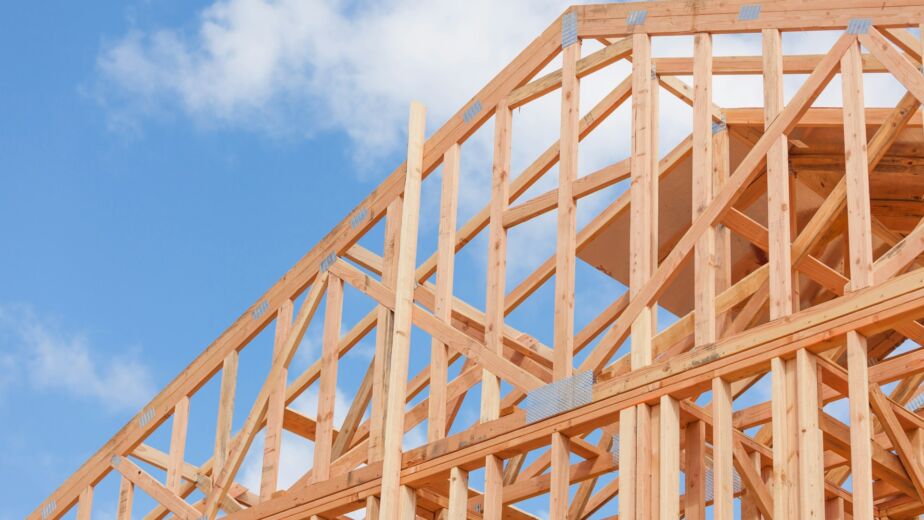
- Build the main house structure with framing that can support a future second story
- Rough-in plumbing and power for a later outdoor kitchen or ADU
- Choose standard finishes in some spaces now and plan to upgrade them later
Seasonal timing has its own benefits. Planning ahead allows you to time site work and exterior stages around longer daylight hours and typical fire season, which can help with schedule and site access. Your design-build team can talk through how timing affects inspections, material lead times, and crew flow.
With one integrated design, you avoid a string of piecemeal remodels and repeated permit cycles. Budget-friendly sequencing often means focusing first on structure, framing, roof, and infrastructure like electrical, plumbing, and HVAC for your new home. Non-essential features and higher-end finishes can be deferred to a later phase when you are ready.
How Design-Build Simplifies a Fire-Rebuild Decision
After a fire, you are dealing with a lot at once: insurance deadlines, city requirements, personal decisions, and the emotional weight of loss. Design-build can simplify this by bringing architecture, engineering, permitting support, and construction under one roof for a coordinated new-home project.
Some benefits include:
- One team handles plans, code reviews, and build details together
- Cost estimating happens alongside design, so choices match your budget tier
- Fewer handoffs between separate companies, which can reduce surprises and change orders
At Pure Builders here in Southern California, we focus on guiding homeowners from a smoke-damaged lot to a move-in-ready new home with clear steps. Milestones like design approval, permit submission, structural work, and interior selections are mapped out so you know what is coming next. Regular communication and straightforward budgeting tools help you feel informed and in control, even while the project is complex.
Taking the Next Step Toward a Thoughtful Rebuild Plan
When you are thinking about a fire rebuild, early talks with a design-build team who understands both fire-rebuilds and custom new construction can open your eyes to options you might not expect. Lot layout, slopes, views, and existing utilities all shape what is possible, and a fresh, professional look at your property can reveal smart ways to structure phases, upgrades, and long-term goals for your new home.
For an initial planning call, it helps to gather a few basics: your insurance documents, photos of the home from before the fire if you have them, any property survey or site plan, and a simple list of must-haves and nice-to-haves for your new home. With those pieces, we can start turning a difficult loss into a clear, step-by-step plan toward a custom new home that fits your life now and for many years ahead.
Get Started With Your Project Today
After a fire, you deserve a clear path forward and a team that knows how to rebuild every detail the right way. At Pure Builders, we bring the experience and coordination you need from a trusted complete fire rebuild contractor so your home can be safe, beautiful, and fully restored. We will walk you through each step, from planning and permits to final finishes, so you are never left guessing what comes next. Ready to talk through your situation and options, or schedule an on-site assessment, simply contact us today.