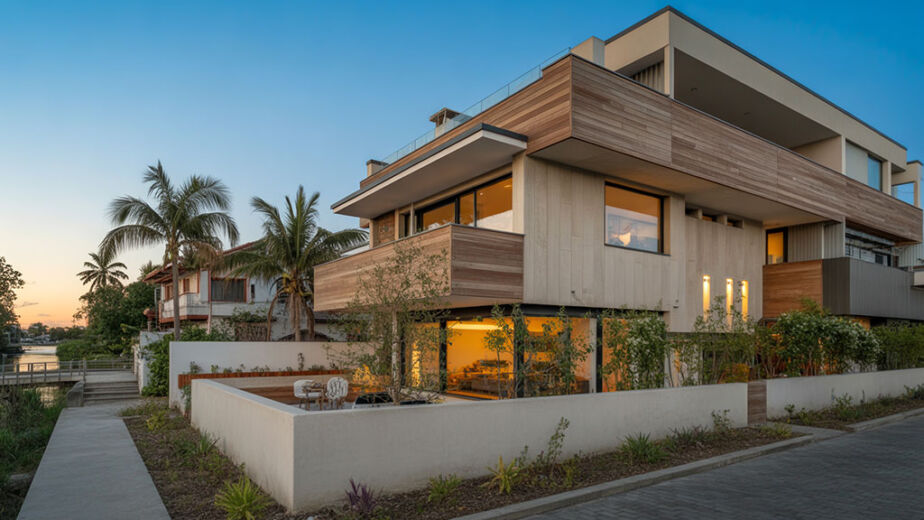
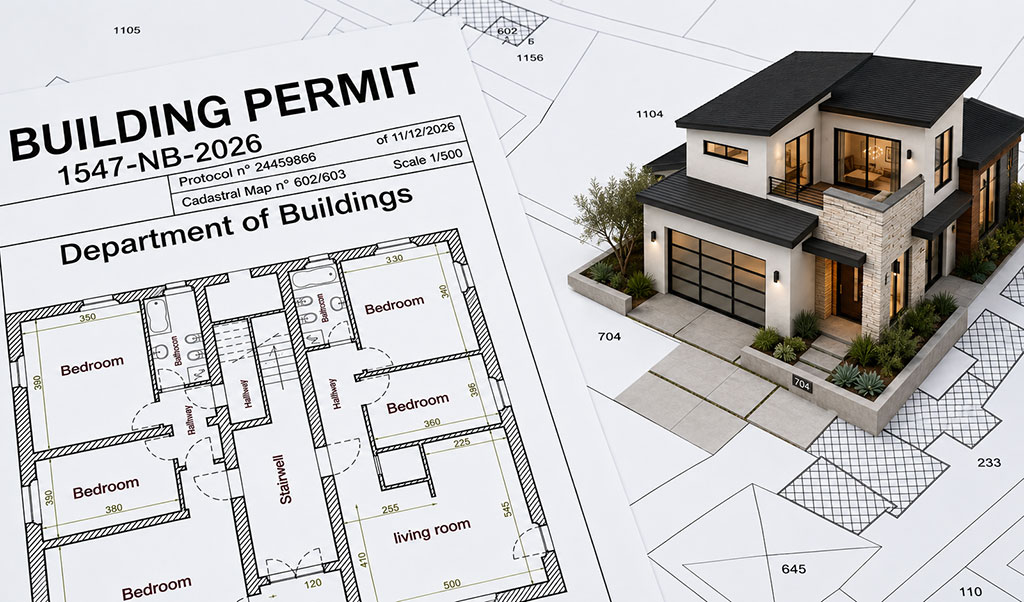
From Raw Dirt to Front Door: What a First Build Really Takes
Building a new home on a vacant lot is exciting, but it is not quick or simple. It is very different from buying an existing house or doing a remodel. You are starting with raw dirt and turning it into a full home that meets local rules, passes every review, and is ready for daily life.
We will walk through what that really means in Southern California. We will cover lot checks, surveys, design, entitlements, plan check, utilities, inspections, and how all of this shapes your move-in timing. When you understand the full path early, it is much easier to plan your life, set expectations with your family, and make smart choices along the way.
A ground-up build has many moving parts. There are city departments, utility companies, inspectors, neighbors, and sometimes review boards. A design-build team with in-house architects, designers, and permit experts can keep all of this coordinated so the project keeps moving instead of getting stuck in back-and-forth delays.
Pre-Purchase Due Diligence and Lot Feasibility
Before you fall in love with a lot, it helps to know what you can actually build there. A pretty view does not always mean an easy or simple project. The rules tied to that piece of land will shape the size, height, and style of your home.
Some key checks usually include things like:
- Zoning rules, allowed use, and maximum building size
- Setbacks from property lines and any height limits
- Slope, access, and how steep drives or walks can be
- Soil conditions, flood or fire zones, and drainage patterns
- Easements for utilities or shared driveways
- HOA rules and local coastal or hillside ordinances, if they apply
Feasibility studies pull these pieces together. A design-build team can look at the lot, the rules, and your wish list and say, for example, whether a two-story custom home with a certain bedroom count, garage style, and outdoor living space is realistic for that site.
This early phase often includes:
- A quick site review and zoning check
- Rough massing ideas to see how big a home fits
- Early thoughts on driveway, garage location, and yard areas
Many buyers give this 2 to 6 weeks before closing on a lot. That window can protect you from buying land that cannot support the type of new home construction you want, especially if you have a goal like moving in around a certain holiday period or before a school year.
Surveys, Soils, and Early Design That Sets the Tone
Once the lot is locked in, the first real work on paper starts. You cannot design a smart home until you know exactly where the property lines sit and how the land moves.
Common surveys include:
- Boundary survey to confirm the legal property lines
- Topographic survey to show slopes, high and low points, and key features
- Tree survey in some areas to mark protected trees or large existing growth
These surveys guide the architectural site plan, including how the home sits, where driveways and walkways land, and how grading will work. At the same time, a geotechnical engineer usually prepares a soils report. That report drives foundation type, retaining wall needs, and drainage strategies.
Soil and grading findings can affect:
- The kind of foundation you need
- How much retaining you might use around slopes
- Where water needs to flow during storms
- How outdoor spaces will feel and function
While this data is gathered, concept design runs in parallel. For many Southern California custom homes, this early design phase might span 6 to 10 weeks, with several rounds of massing studies, floor plan tweaks, and exterior style discussions. The choices you make here shape everything that follows, from structural design to finishes later on.
Entitlements, Plan Check, and Permits in Southern California
Entitlements are the approvals that confirm your home is allowed as planned, before you get a full building permit. Depending on your city and lot, this can be simple or quite involved.
Entitlements might include:
- Zoning clearance and basic use approvals
- Design review boards for style and neighborhood fit
- Coastal or hillside reviews for special zones
- Variances or conditional use permits when you request something outside the normal rules
After entitlements, detailed construction documents go into plan check. A complete submission often includes:
- Architectural drawings
- Structural plans
- Energy and Title 24 documentation
- Site, grading, and sometimes landscape details
City reviewers and outside agencies, such as fire or public works, issue comments called corrections. Your design team responds, revises drawings, and resubmits. This back-and-forth can repeat a few times. In many Southern California jurisdictions, the combined entitlement and plan check period can range from a few months to longer, depending on review loads, how complex the project is, and how clean and code-aware the first submission was.
A design-build approach helps reduce extra cycles by coordinating architects, designers, and permit experts from day one so the set is consistent and easier for reviewers to read and approve.
Utility Bring-Ups, Site Work, and Vertical Construction
While permits move through plan check, smart teams are already preparing for utilities and site work. New home construction on a vacant lot usually needs new or upgraded services, not just simple hook-ups.
Utility work often includes:
- New or upsized power service and meter locations
- Water line sizing and meter coordination
- Sewer connection or septic design and approvals
- Gas service planning where applicable
- Conduit planning for data and telecom
Each provider has its own forms, review times, and inspection steps. During busy seasons like late spring and summer, lead times can stretch, so early coordination is important.
Once permits are issued and utilities are lined up, physical construction moves in a clear sequence:
- Grading, retaining walls, and basic site drainage
- Foundation and slab or footings
- Framing for floors, walls, and roof
- Rough mechanical, electrical, and plumbing
- Roofing, windows, and exterior envelope
- Insulation and drywall
- Interiors, cabinets, tile, flooring, and fixtures
Inspections run through all of this. Inspectors review footing and foundation steel, framing, rough-in work, insulation, and final life-safety items. Passing each inspection keeps the schedule on track. For a full custom build, the on-site construction period alone often spans from about 10 to 18 months, depending on size, complexity, and how smooth inspections and deliveries go.
Move-in Timing, Seasonal Strategy, and Your Next Step
If you zoom out from raw lot to move-in day, many Southern California projects land in the range of about a year and a half to a bit over two years. Feasibility and early design, surveys, and soils take some months. Entitlements and plan check add more. Construction and inspections fill out the rest.
The timing of when you start matters too. For example, if you begin design and entitlement work in late spring, you may be targeting completion toward the end of the following year or into the next cycle after that, especially for a larger custom home. City holiday periods, long review queues, and product lead times can all nudge the finish line.
To keep your schedule as tight as realistic, it helps to:
- Lock major design decisions early, especially footprint and structure
- Limit mid-project scope changes that disturb permits and engineering
- Choose finish materials that match current lead times
- Keep a single design-build team responsible from start to finish
A clear permits-to-move-in timeline does not remove every surprise, but it makes the process feel far less stressful. When you know what step comes next and who is handling it, you can enjoy watching raw dirt become a real front door that fits how you want to live.
Get Started With Your Project Today
If you are ready to bring your vision to life, our team at Pure Builders is here to guide you through every step of your new home construction project. We focus on clear communication, thoughtful design, and quality craftsmanship so your new home fits your lifestyle and budget. Share your ideas, timeline, and priorities, and we will help you turn them into a detailed, realistic plan. To schedule a conversation with our team, simply contact us today.