When a Fire Rebuild Turns Into a Lifestyle Upgrade
When you are facing a fire damage house rebuild in Pacific Palisades, the first thought is usually, “How fast can we get home again?” That makes sense. You want safety, stability, and a roof that feels like yours. But for many families, once the smoke clears, a new thought shows up: if we have to rebuild, should we just go back to what we had, or is this our chance to create a true custom estate?
The moment you move past a simple like-for-like rebuild, you are playing a very different game. Entitlements, neighborhood review, and coastal-zone rules start to shape what is possible on your lot. The process can be longer and more detailed, but the final home can be on a whole different level in terms of lifestyle, views, and long-term value.
We work in this space every day, helping Pacific Palisades homeowners shift from an insurance-driven rebuild to a custom estate plan. Spring and early summer are especially important for getting design and approvals started, because agencies get busy, fire season approaches, and rules can change while you wait. Good planning early in the year protects your options later.
Like-for-Like Fire Rebuild Basics in Pacific Palisades
A like-for-like fire rebuild is the closest thing to “reset and replay” that the City of Los Angeles offers. In simple terms, it usually means rebuilding close to what was there before in size, shape, and use.
For many burned homes, that means:
- Similar footprint on the lot
- Similar height and general massing
- Same basic use as a single-family home
- Staying within existing zoning limits
Insurance companies often base their support on replacing what was lost, not creating a whole new dream program. The city and coastal agencies usually treat these rebuilds as replacement structures, so long as you are not trying to grow the house far beyond what stood before.
Why do people stay like-for-like? Because it tends to be:
- Faster to get permits, often through more straightforward, “by-right” approvals
- Less open to public or neighborhood review
- Less likely to trigger extra studies, hearings, or special conditions
This path gets you back home sooner, with fewer moving pieces. For some families, that is the right answer, especially if the lot is tight or the previous home already fit their long-term needs.
When Your Rebuild Becomes a Custom Estate
At some point, upgrades tip you from “rebuild” into “new estate” in the eyes of the city and neighbors. The line is not one single rule, but a mix of changes that together feel like a new project.
Common triggers include:
- Large increases in square footage
- Adding a new story or meaningful height changes
- New basement levels or major lower floor expansions
- Big grading or retaining walls that change how the site works
- New pools, large decks, guest structures, or an ADU
Once you move into this custom estate zone, the process changes. You may face:
- Discretionary approvals instead of simple, checklist permits
- Design review input on style, massing, and rooflines
- Extra reports such as geotechnical, biological, or view studies
- Longer review times and more back-and-forth with agencies
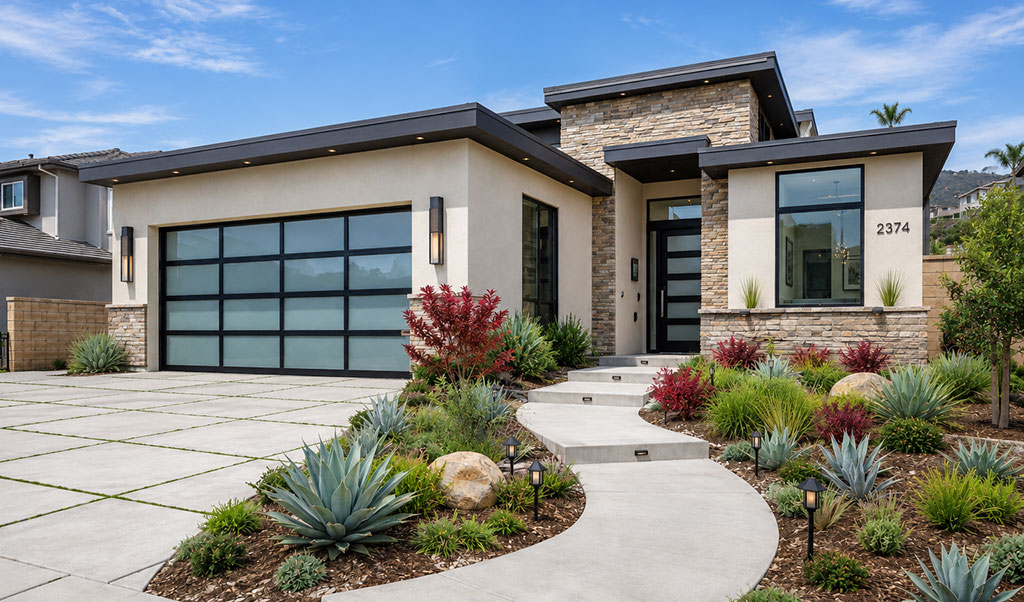
The flip side is the lifestyle upgrade. A custom Pacific Palisades estate can give you:
- Better indoor-outdoor flow that suits real daily life
- Floor plans tuned for ocean views and natural light
- Stronger structural systems and modern fire-resistance strategies
- Space for future-ready amenities, such as wellness areas, office suites, or expanded guest zones
You are not just replacing a house. You are planning how you want to live on that lot for the next couple of decades.
Coastal Zone, Views, and Neighborhood Review Realities
Much of Pacific Palisades sits within the Coastal Zone, so a fire damage house rebuild in Pacific Palisades is rarely just about the building itself. The land, the bluff, and the neighbors all play a part.
Coastal rules often touch:
- Overall height and how it affects the skyline
- Setbacks from bluffs or steep slopes
- Coastal access concerns near trails or public ways
- Whether you need a Coastal Development Permit
Views and neighborhood character matter a lot in estate-level projects. Neighbors, local groups, and any HOA guidelines can shape:
- How tall and wide your new home feels from the street
- Where windows and balconies sit for privacy
- How rooflines step down to protect view corridors
Then there are seasonal and environmental factors. Wildfire concerns lead to defensible space rules and careful planting choices. Coastal erosion, habitat concerns, and stormwater rules can influence materials, wall systems, and how you handle grading and drainage. All of this needs to be baked into the design from day one, not patched in later.
Smart Strategy for Permits, Entitlements, and Timeline
To move from loss to custom estate without losing years, you need a clear plan. Before anyone sketches a dream kitchen, it helps to start with pre-design due diligence.
A smart roadmap usually includes:
- Detailed survey and site study
- Early zoning and coastal zone research
- Geotechnical input, especially on slopes or near bluffs
- A first pass on height, setbacks, and realistic square footage
Meeting with Planning and Building and Safety departments early, with a prepared team, can flag big issues before you fall in love with the wrong concept. This is also when you decide when to bring in specialists such as surveyors, geologists, and arborists, if needed.
Once you go beyond like-for-like, timelines grow. Things that can stretch the schedule include:
- Design changes during neighborhood or agency review
- Extra studies requested mid-process
- Seasonal workload at public agencies, especially in late summer and fall
A team with in-house planning, design, and permitting can often compress the overall path by keeping communication tight and avoiding redesign loops. It is also important to line up your plan with insurance timing, temporary housing limits, and your family schedule, so the process feels structured instead of chaotic.
A key choice is whether to stay like-for-like or go estate. Factors to weigh:
- How far your insurance coverage reaches
- Your own budget and comfort level
- How long you plan to stay in the home
- The added long-term value of a custom estate in Pacific Palisades
There is no one right answer, only the right answer for your lot, your coverage, and your life plans.
Turning a Loss Into a Long-Term Pacific Palisades Estate
A house fire is a shock. But it can also be an inflection point. You can return to “before,” or you can see the rebuild as a rare opening to create a legacy property that fits how you want to live now and in the future.
A design-build approach keeps that process under one roof. One team handles architecture, engineering, city and coastal approvals, and construction, from early sketches to final inspection. For a fire damage house rebuild in Pacific Palisades that is growing into a custom estate, that kind of unity can be the difference between a drawn-out struggle and a clear, steady path to a new front door that truly feels like home.
Rebuild Your Pacific Palisades Home With Confidence Today
If your home has suffered fire damage, we are ready to help you rebuild safely, efficiently, and with attention to every detail. Learn how our team handles every step of a fire damage house rebuild in Pacific Palisades, from planning and permits to high-quality finishes. At Pure Builders, we work closely with you to restore both the structure and the comfort of your home. To discuss your project and next steps, contact us today.