
When Repair Is Not Enough After a House Fire
Fire damage is tricky. At first, it can seem like the main problem is smoke on the walls, a burned room, and a layer of soot. Many homeowners are told that a deep cleaning and some patchwork repairs will make things right again. Then, months later, they start to notice strange smells, cracks, or health issues that do not go away.
The hard truth is that some homes are simply too damaged to fix safely. In those cases, a complete home rebuild after a fire can protect your family’s health and your financial future much better than chasing repair after repair. This choice becomes even more important as Southern California keeps facing longer fire seasons and more days with dry winds and ash in the air.
When the next hot, dry stretch comes around, you want to know that the structure around you is sound, clean, and ready. That starts with knowing the warning signs that repair is not enough and understanding when it is smarter to rebuild from the ground up instead of living inside a compromised home.
Structural Damage That Makes Rebuilding the Safest Choice
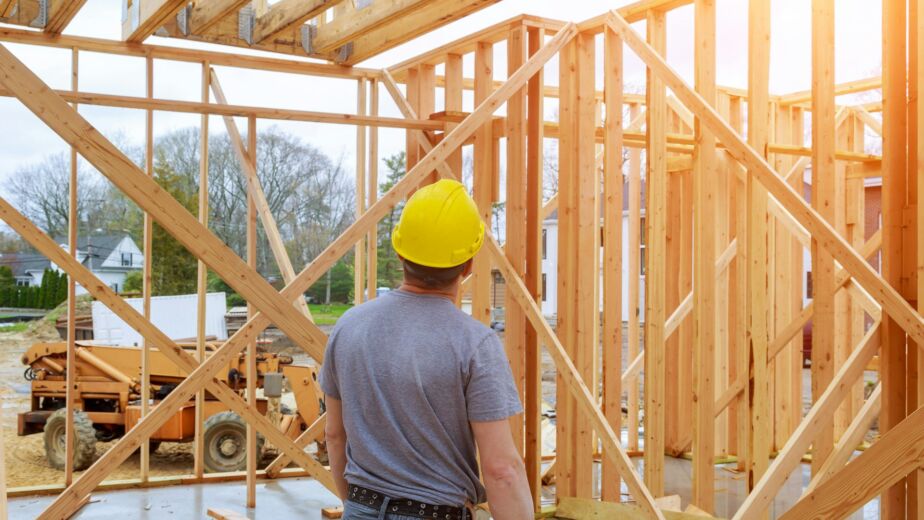
Fire does not just burn surfaces; it attacks the skeleton of your home. Some damage is obvious. Other damage hides inside walls, under floors, or up in the attic.
Clear structural red flags after a fire can include:
- Foundation cracks that were not there before, or old cracks that are now wider
- Floors that feel spongy, uneven, or sag when you walk across them
- Rooflines that look wavy from the street instead of straight and solid
- Charred or blackened beams, posts, and load-bearing walls
These visible signs matter, but hidden damage can be even more serious. During a fire, framing and hardware are exposed to intense heat. Even if the wood or steel looks “okay” later, it may have lost strength.
Post-fire inspections often reveal problems such as:
- Steel connectors and fasteners that are warped or weakened
- Shear walls that no longer provide proper lateral support
- Framing members that look solid on the outside but are brittle or over-dried inside
When a home has major structural compromises, trying to patch one area at a time can be risky. Matching old materials to new ones, while also meeting today’s stricter California building codes, can turn into a maze of change orders, design changes, and surprises behind every wall. In many of these situations, a complete home rebuild after a fire is not only safer, it is often more straightforward than trying to make a damaged structure act like a new one.
Widespread Smoke, Soot, and Toxin Contamination
Fire damage is not just about what you can see; it is also about what you breathe. Smoke and soot travel far beyond the main burn area. They get pulled into:
- Wall cavities and insulation
- HVAC ducts, vents, and mechanical systems
- Attics and crawl spaces
- Carpets, cabinets, and other porous materials
On top of that, modern homes are full of plastics, glues, foam, and household chemicals. When these burn, they release sticky, sometimes toxic residues that can cling to surfaces and settle deep inside your home. Even after cleaning, many homeowners notice:
- Lingering smoke or “campfire” smells that never fully leave
- Headaches, coughing, or irritated eyes when they are inside
- Concerns about long-term exposure, especially for children and older adults
Professional remediation can do a lot, but it has limits when contamination is spread through hidden spaces and mechanical systems. When smoke and soot have reached insulation, most of the ductwork, and large areas of drywall and finishes, it can be a strong warning sign that a complete home rebuild after a fire is the cleaner and healthier option. Starting over lets you remove damaged materials completely instead of trying to live with what might still be inside your walls and air system.
When Repair Costs Rival a New Fire Rebuild
After a fire, it is normal to want to save as much of your home as possible. But repair numbers can rise fast. You are not just paying for new finishes; you are also paying for:
- Demolition and removal of damaged areas
- Deep cleaning and specialized smoke and soot remediation
- Structural reinforcement and sistering of damaged framing
- Required code upgrades, like electrical, insulation, and safety features
As each contractor adds more work to the list, the total can end up surprisingly close to the cost of building new. Insurance coverage, required code updates, and current energy standards can all stack on top of what seemed like simple repairs. By the time all of that is added, the “patch and repair” plan may feel less like a shortcut and more like a long, stressful process with a home that still has old bones.
With a complete home rebuild after a fire, you get the chance to put that investment into something fresh. You can have a layout that actually fits how you live now, stronger materials, better insulation, and choices that can appeal to future buyers. Instead of pouring money into an older, compromised structure, you are creating a new home that is ready for the next chapter.
Code Upgrades and Fire-Smart Design Opportunities
Significant fire damage usually triggers code requirements that your home must now meet. That can include updates to:
- Structural safety and seismic performance
- Electrical systems and lighting
- Wildfire and ember-resistance around the exterior
Trying to weave all of these updates into a partially damaged, older home can be challenging. Some walls may need to be opened up anyway. Some systems may need large sections replaced just to pass inspection. At a certain point, you may find yourself rebuilding most of the home in pieces without getting the full benefit of a fresh design.
A complete home rebuild after a fire turns that challenge into an opportunity. You can plan fire-smart choices from the start, such as:
- Roof materials with higher fire resistance ratings
- Non-combustible or ignition-resistant siding and trim
- Thoughtful window placement and upgraded glazing
- Smarter site layout and outdoor areas designed with defensible space in mind
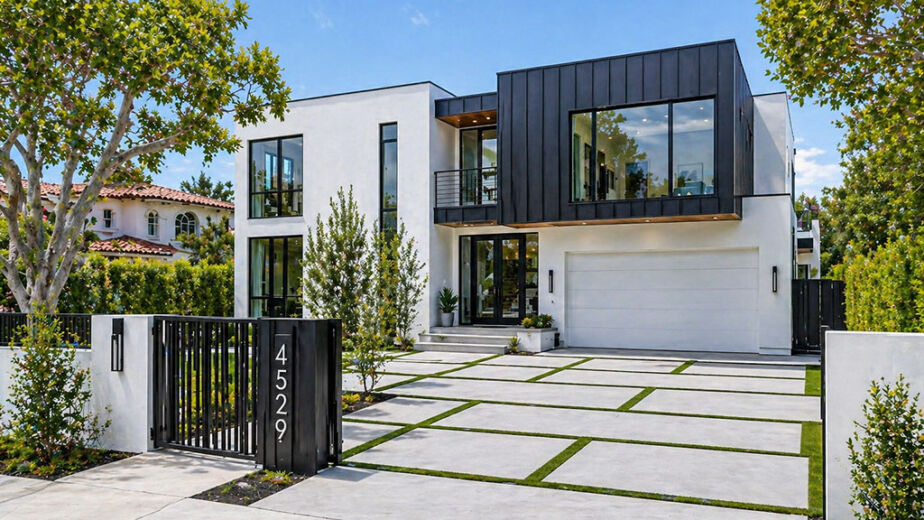
With a full rebuild, architects and designers can also rethink how your home feels every day. That includes better natural light, flow between rooms, and outdoor living spaces that make sense for our Southern California lifestyle, while still respecting local wildfire realities.
How Pure Builders Guides You From Ruin to Renewal
Facing a fire-damaged home can feel overwhelming. Before committing to repairs, it helps to get a clear, professional look at the true condition of your house. As days get longer and we move toward another high-risk season, this kind of honest assessment can give you peace of mind about your next step.
We approach a complete home rebuild after a fire as a start-to-finish process. Our team looks at structural damage, contamination, and code requirements together instead of in separate silos. We work with your adjuster and help with the paperwork that comes with major fire loss, so the documentation reflects what is actually needed to make your home safe, not just patched.
Because we handle design and building under one roof, our architects, designers, and construction team work as a single group. That allows us to shape a new home that is structurally sound, wildfire-aware, and also comfortable and beautiful to live in day after day. The goal is not only to replace what was lost, but to create a home that feels like a true renewal, built for safety, health, and long-term resilience.
Get Started With Your Project Today
If you are facing the overwhelming reality of rebuilding, we can guide you through every step of a complete home rebuild after a fire. At Pure Builders, we focus on restoring both safety and comfort so your new home feels truly yours again. Reach out to us today through our contact us page so we can review your situation and outline a clear plan forward.