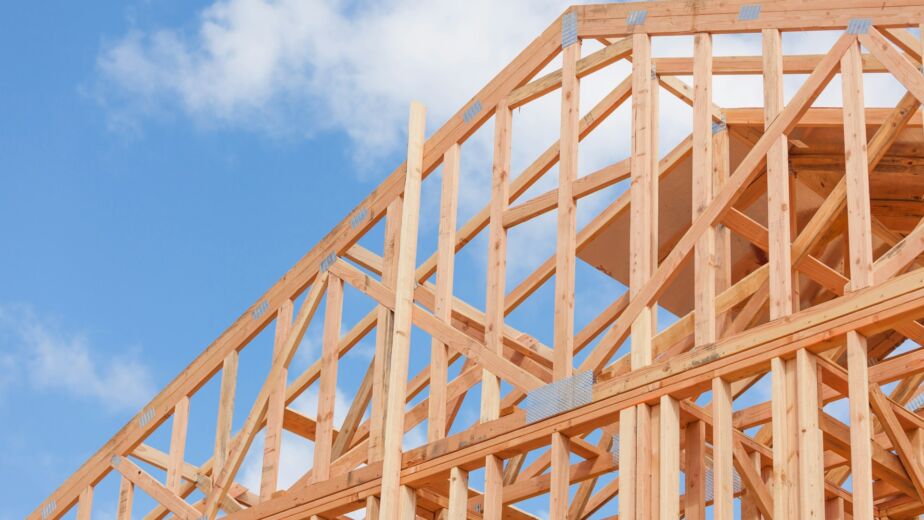

Turn Total Loss Into a Strategic Fresh Start
Losing your home in a wildfire is shocking and heavy. On top of the emotions, you are thrown into insurance terms, inspectors, and rushed decisions about what to do next. One of the most powerful choices you can make is to slow things down just enough to create a clear financial plan before you rebuild.
For many Southern California homeowners, a complete home rebuild after a fire is the cleanest path forward. You stay on your lot, keep your view, and build a home that actually fits how you want to live. Instead of patching together partial repairs or trying to win bidding wars for resale homes, you treat the loss as a reset and build with intention.
A realistic timeline from fire to move-in is often 18 to 36 months. That sounds long, but when you have a step-by-step financial strategy for ALE, debris removal, code upgrades, betterment, and gap coverage, you remove a lot of anxiety. Your choices become less about panic and more about planning.
The design-build approach helps here. With one team handling design, estimating, and permitting, your insurance dollars, city and county rules, and lifestyle goals are all on the table from day one. That makes it easier to avoid overbuilding, underbuilding, or running out of funds halfway through construction.
Stabilize Your Life First Using ALE and Early Decisions
Before plans, permits, and finishes, you need stability. That is where Additional Living Expense, or ALE, comes in. ALE is meant to cover the extra cost of living somewhere else while your home is being rebuilt.
ALE often helps with things like:
- Rent for a temporary home
- Utilities at the rental
- Increased commute costs
- Pet boarding or pet fees
- Some basic furnishings if the rental is unfurnished
The key is to think long-term, not week by week. Many homeowners try to stretch ALE by moving into short-term spots at first. That can backfire when you have to move again in a few months, just as you are starting design meetings and insurance talks.
We usually suggest locking in a 12 to 24 month rental that:
- Is close enough to work, school, and your original neighborhood
- Gives you space for daily life, not just sleeping
- Fits the likely rebuild schedule, not just the first few months
Choosing your design-build team early helps you line up ALE with your rebuild calendar. When you know roughly how long design, permits, and construction will take in your city, you can match your rental term and push your carrier for realistic coverage.
Also, watch for easy-to-miss costs early in the first 60 to 90 days, such as:
- Hotel and rental upgrades that are not covered
- Temporary repairs you pay for before you know if insurance will reimburse them
- Storage and moving fees that add up fast
Working with a contractor and, when helpful, a public adjuster from the start can keep more of your own cash free for the new home rather than getting eaten up by short-term fixes.
Debris Removal and Site Prep Without Burning Coverage
Once life is a bit more stable, the next big step is debris removal. This is not just about clearing the lot. It is also about how the work is paid for and how it sets up your future build.
Some policies have a separate bucket for debris removal. Others treat it as part of your main dwelling limit. That difference matters a lot. If debris costs pull from your main bucket, you may have less money left for your complete home rebuild after a fire.
Key moves at this stage include:
- Reviewing your policy to see how debris removal is handled
- Asking your adjuster early to clarify limits and what is included
- Getting clear written scopes for debris, not fuzzy “site cleanup” lines
In Southern California, you also deal with local fire and building departments. There may be inspections, environmental testing, erosion control, and utility capping before anyone touches the remaining structure. A design-build team can help you sequence this so you do not pay twice for rushed or repeated work.
During debris and site prep, it is smart to:
- Evaluate your foundation carefully, not just assume it is reusable
- Look at slopes, drainage, and access for trucks and future deliveries
- Think about whether keeping certain elements would limit a better layout
You want a clean start, but you do not want to accidentally trigger “betterment” in this phase, which is work your policy may not cover. That means being careful about what is necessary for safety and code, and what is a personal upgrade.
Code Upgrades, Betterment, and Smart Choices
Once the site is cleared and safe, we move into design and the fine print of your policy. This is where Ordinance or Law coverage comes into play. This part of your policy helps pay for items required by current code that were not part of your old home.
Common code-driven upgrades might include:
- Fire sprinklers or enhanced fire-resistant materials
- Seismic improvements
- Title 24 energy requirements for windows, insulation, and systems
- Defensible space and certain exterior details
To get these covered, they must be clearly identified and documented in your plans and estimates. That way, your adjuster can see which items are required by code, not just personal preference.
The tricky part is drawing the line between code upgrades and betterment:
- Code upgrades are required to rebuild legally and are typically insurable
- Betterment is you choosing to go beyond what is required, like luxury finishes, extra square footage, or special custom features
We encourage homeowners to be very intentional here. Instead of chasing short-lived design trends, think long-term comfort and safety. Smart places to invest your own funds often include:
- A more functional layout that suits how your family actually lives
- A better building shell, like improved windows and insulation, for comfort
- Thoughtful mechanical and electrical systems that support how you use the home
This way, your policy handles as much of the code-driven work as possible, while your own funds go toward choices that truly matter to you.
Building a Realistic Budget and Closing the Insurance Gap
Next comes the full rebuild budget. The insurance company usually starts with its own estimate. That estimate often uses generic pricing and may not reflect your specific lot, neighborhood rules, or local building department requirements.
A detailed design-build estimate should:
- Be based on your exact site and soils
- Include city and county conditions of approval
- Break out code-driven items versus elective upgrades
- Cover “soft costs” like design, engineering, and permits where allowed
When you compare this detailed estimate with the insurer’s scope, gaps become clear. Common areas where coverage can fall short include:
- Underinsured dwelling limits
- Low caps on code upgrades
- Limited support for design and permit costs
Once you know the gap, you can talk with your team about:
- Reallocating within your policy, where allowed
- Negotiating with the carrier on missing or underpriced items
- Adjusting the design to stay within your planned total budget
Avoid the trap of overbuilding. More square footage, complex rooflines, and high-end finishes all increase cost. The goal is a home that fits your life and your financial plan, not the most expensive thing you can possibly fit on the lot.
From Claim to Keys: Your Fire Rebuild Game Plan
When you step back, the path from total loss to move-in follows a clear rhythm. It usually looks something like this:
- File the claim and secure ALE and stable housing
- Handle debris removal, inspections, and site prep
- Develop design plans that separate code items from betterment
- Complete detailed estimating and line it up with your policy
- Move through permitting, then construction, then final inspections
In Southern California, it also helps to think about wildfire season and local review cycles so you time submissions and critical work windows wisely. A design-build team that understands fire-rebuilds can keep you organized, so you are not repeating steps or missing coverage opportunities.
The most important thing is that you do not have to do this alone. With the right strategy and a clear plan, a complete-home rebuild after a fire can become a thoughtful fresh start, not just a replacement.
Rebuild A Safer, Stronger Home With Confidence
If you are ready to move forward after a devastating fire, we are here to guide every step of your complete home rebuild after a fire. At Pure Builders, we focus on safety, quality materials, and clear communication so you know exactly what to expect from start to finish. Reach out so we can evaluate your property, answer your questions, and map out a practical rebuild timeline. To schedule a consultation or discuss your situation, please contact us today.