ADUs (Accessory Dwelling Units) are growing in popularity all over Southern California, especially in Calabasas. Homeowners are finding more reasons to create extra space on the property, whether for extended family, guests, or just more breathing room. But not every property can support a new unit, and the rules aren’t always obvious.
If you’re starting to wonder if your own lot might qualify, you’re not alone. We’ve worked with many families who wanted to add square footage but weren’t sure how to begin. That’s where talking with a custom ADU builder in Calabasas can make things feel more doable. We’ll walk through some of the key things to check so you’ll have a better idea of where you stand before diving deeper into planning. As a Calabasas-based residential design-build firm, we manage projects from the first consultation and 3D planning through permitting and full construction, keeping the process under one roof from start to finish.
Look at Your Lot’s Size and Shape
The first thing to do is step back and look at the land your home sits on. Every ADU project starts with space, how much you have, where it’s located, and how it connects to your existing house.
One of the biggest issues people run into is setbacks. These are the spaces you’re required to leave clear between your structure and the edge of your property. If your home is already close to the lot line, it could limit what kind of ADU you can add.
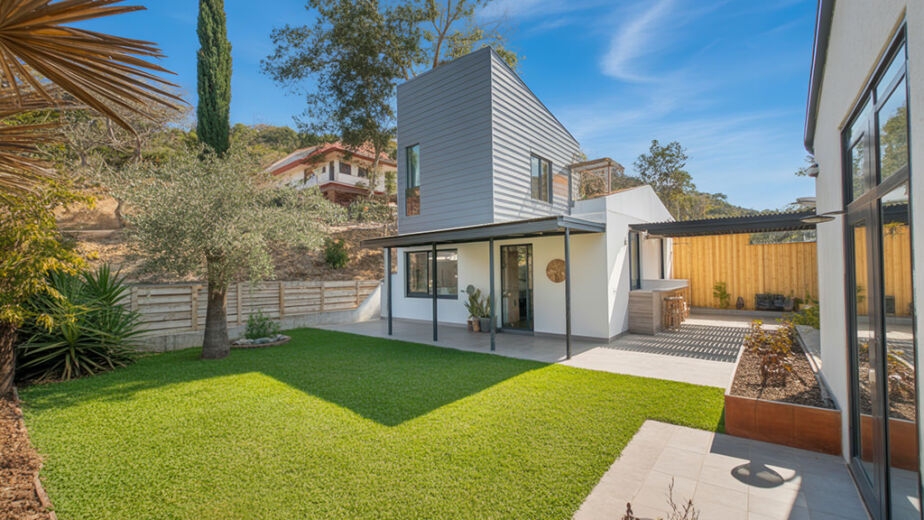
We also check for things like narrow side yards, big slopes, or oddly shaped back areas that don’t work well for building on. Some properties can support a detached ADU, while others are better for garage conversions or adding a unit on top of an existing structure. When you understand the shape of your lot from the start, it saves time and avoids costly design changes later.
Check Zoning and City Rules in Calabasas
Zoning laws are the next step. These rules tell us what kinds of buildings are allowed on a property, how big they can be, how tall they can go, and how close they can sit to other buildings.
In Calabasas, zoning codes help guide everything from size limits to privacy concerns. While statewide laws have eased restrictions on ADUs in many cities, local guidelines still matter. For example, your neighborhood may allow an ADU, but you’ll still need to follow Calabasas’ specific building laws, especially if your lot is considered hillside or environmentally sensitive.
City rules can change over time, especially with updated housing laws in California. We always recommend checking current details with the city or starting early with a rough sketch of what you want to build. The clearer your plan, the easier it is to make sure it meets the local rules.
Think About Access and Parking
Getting to and from the ADU matters more than many people think. If you’re adding a separate living space, it usually needs its own entrance. Some lots already have side yards or alleys that make this easy, but for others, carving out a new entry path might take time and space.
Parking can be another hurdle. Calabasas may require an extra space for the new unit, depending on where you’re located and what size ADU you’re planning. For garage conversions, this can be tricky, especially if street parking is tight or your driveway is short.
Different setups work for different lots. Some homes are perfect for detached ADUs with their own driveway access, while others feel more natural with an upstairs unit or a separate wing. Thinking this through now helps shape what’s realistic for your property, and what might need a closer look before you build.
Don’t Forget Utilities and Infrastructure
Every livable unit needs water, electricity, gas, and sewer hookups. Depending on the age and layout of your home, connecting those lines to a new ADU might be simple, or it might take a bit of creativity and planning.
Older houses in Calabasas may have outdated panels or plumbing that weren’t built to support another kitchen or bathroom. In some cases, trenches may be needed to run new lines across the property. These are details that homeowners don’t always think about in the early stages, but they can make a big difference when construction begins.
This is where working with a custom ADU builder in Calabasas can really help. We’ve worked on lots that looked simple at first but had hidden issues underground or in the walls. That early planning can help avoid delays and get the job done right.
Plan Around Nearby Homes and HOA Guidelines
Even if your city and your lot give you the green light, your neighborhood may still have more rules to follow. Some parts of Calabasas, especially gated communities or parts with a lot of hillside views, have homeowner associations that set their own guidelines for building.
These HOAs might have special limits on home size, roof height, paint color, or even window placement, especially if neighbors could see into the new space. Rules like these are separate from city code but still enforceable within your neighborhood.
Before you move forward with floor plans or permits, it’s smart to ask for a copy of your CC&Rs (Covenants, Conditions, and Restrictions). That way you’ll know if there are any special requirements before getting too far into the design. It helps keep things moving and avoids extra rounds of approval later.
Get Clarity Before You Build
Planning ahead can save a lot of stress. When you take the time to look at your property with a clear eye, you’ll avoid many of the common roadblocks that can slow things down or change your design midstream. Our team has spent more than 20 years working on renovations, additions, and new builds throughout Calabasas and nearby communities, so we know the patterns that tend to affect ADU projects again and again.
We always recommend checking these five areas before starting any big ADU project:
• Lot size and layout
• Local zoning and city building rules
• Entry paths and available parking
• Utility connections and overall system capacity
• Neighborhood rules or HOA restrictions
Having a handle on each of these gives you more confidence in your next steps. A well-thought-out plan keeps things clear from the beginning and helps builders support your ideas in a smart and steady way.
Building an ADU on your Calabasas property is a big step, and having a team that knows the local codes and understands every detail can make the process smoother from day one. At Pure Builders Inc., we’ve guided many homeowners through garage conversions and new builds that fit naturally on their lots and follow every regulation. From the initial planning to the final walk-through, we make sure each step keeps your project on track. To learn more, talk with a custom ADU builder in Calabasas and call us when you’re ready to get started.