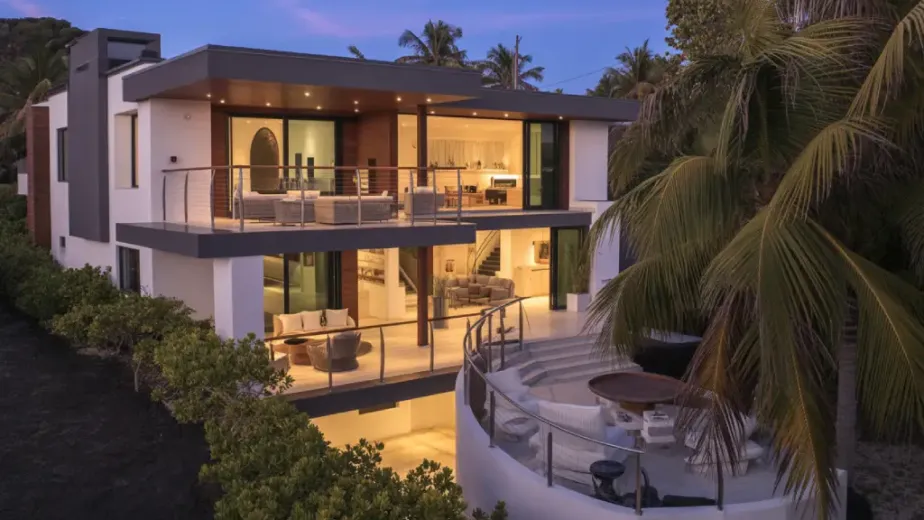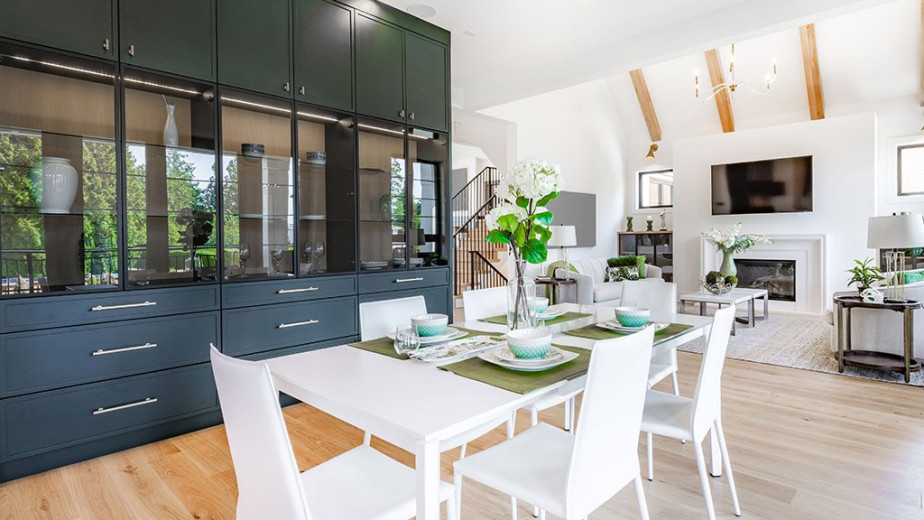
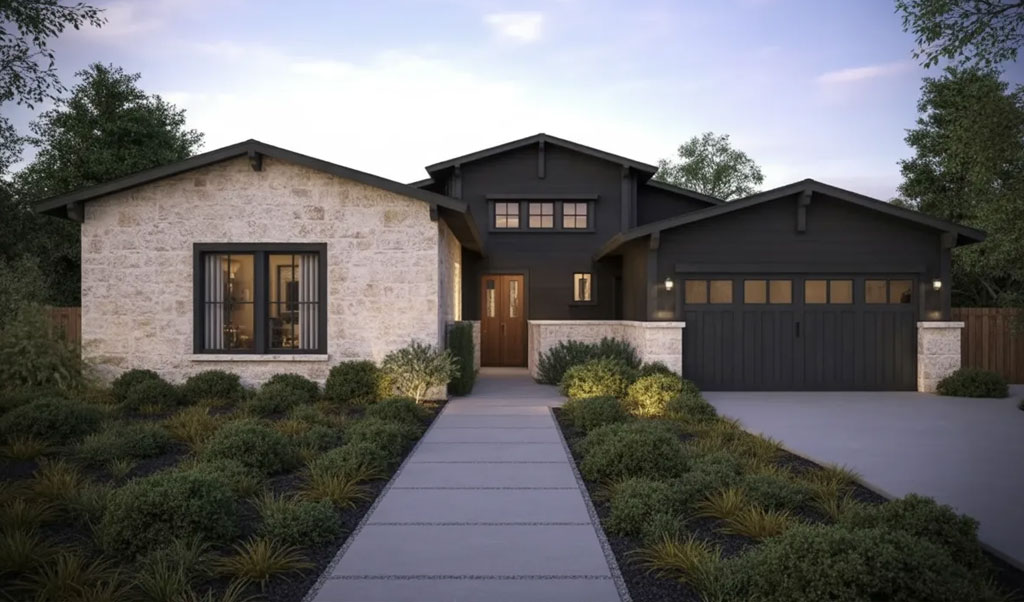
Rebuilding after the Pacific Palisades wildfire isn’t just construction; it’s a second chance to design a home that’s smarter about the environment it sits in. The hills, the wind patterns, the dry brush, none of that has gone away. But the materials, building codes, and design strategies available today are significantly better than what most of the original homes were built with.
This guide covers the design decisions that matter most during a wildfire rebuild: fire-resistant roofing, siding, and glazing; defensible space and landscaping that reduce fuel loads around your property; ventilation details that keep embers out; and the role an experienced fire rebuild contractor plays in pulling it all together. Whether you’re in the early planning stages or ready to break ground, these are the choices that shape how your home performs when it counts.
Choosing Fire-Resistant Structural Systems and Exterior Materials
When we rebuild from scratch, we can choose a structure and skin for the home that do not invite fire. Non-combustible or ignition-resistant materials are a big part of that.
Common options for exterior walls include stucco over concrete or masonry and fiber cement siding. These materials do not catch fire easily and can help slow heat and embers. Paired with a Class A roofing system, such as certain tile, composite, or metal roofs, the roofline can better resist burning debris that lands during a wind-driven event.
A ground-up rebuild also lets us add details that are hard to fit into an older home, like:
- Enclosed roof eaves instead of open rafters
- Ember-resistant or non-vented attic vents
- Tempered or laminated exterior glass that is harder to break from heat
- Fire-rated exterior doors at key entries
Trying to retrofit these features into an existing structure can be tricky because of framing, access, and past construction methods. With a full rebuild, we plan them in from day one.
Fire resistance does not have to look plain. Smooth stucco, standing-seam metal roofing, steel or aluminum accents, and clean modern lines can give the house a high-end, coastal feel while still meeting wildfire standards. A skilled fire rebuild contractor in Pacific Palisades can help line up structural engineering, material choices, and local plan-check rules so safety and design work together, not against each other.
Defensible Space by Design Around Your New Home
Defensible space is the area around your home that is planned to slow or stop fire. When we rebuild, we can place the home on the lot in a smarter way instead of being stuck with where it used to sit.
That might mean shifting the building pad a bit away from a brushy slope, turning the main face of the house to reduce direct wind and ember impact, or adding fire breaks with patios, driveways, or a pool. Concrete, pavers, gravel, decomposed granite, and stone walls can all help break up fuel while still feeling like part of a luxury yard.
It helps to think in zones:
- Near-home zone: the first few feet from the exterior walls
- Intermediate zone: the main yard and outdoor living spaces
- Outer zone: the wilder edge near canyons or brush
In the near-home zone, we focus on non-combustible surfaces and very limited plants. The intermediate zone might have seating areas, planters, and walkways that mix soft planting with hardscape. The outer zone is where we thin and separate larger plants and avoid thick, continuous brush.
New grading and drainage plans can also work in your favor. Clear drive access, a simple route around the home, space to turn vehicles, visible addressing, and thought-out water features like pools or cisterns can all support firefighters if they ever need to reach your property.
Doing this from scratch is far more effective than trying to squeeze in safe pathways and clearances around an old footprint that may have been placed without wildfire in mind.
Fire-Smart Landscaping for Pacific Palisades Properties
Once the structure and hardscape are planned, we think about plants. In Southern California coastal areas, we want plants that stay more moist, have lower resin, and do not throw off a lot of dry, flaky debris.
Fire-conscious landscaping means:
- Choosing plants with thicker, greener leaves rather than oily or needle-like foliage
- Leaving space between shrubs and trees so flames cannot jump easily
- Avoiding “fuel ladders” where groundcovers, shrubs, and tree branches touch and carry fire upward
Right next to the house, we keep things especially lean. That usually means no large woody shrubs against the walls, careful use of small, well-irrigated plants near doors and windows, and non-combustible mulch like gravel or stone close to the foundation instead of bark.
During a full rebuild, we can tie irrigation into the overall design, with drip systems, separate zones, and smart controllers. That way, plants get just enough water to stay healthy and less flammable while still staying efficient in our long dry periods. Underground utilities and low-voltage lighting can be planned alongside planting so your yard feels finished and inviting while still being fire-aware.
Designing this at the same time as the house and hardscape is much easier than working around an old yard with random pipes, mismatched planters, and mature plants in risky spots.
Working with a Pacific Palisades Fire Rebuild Specialist
Rebuilding after wildfire can feel stressful and emotional. There are building codes to meet, design choices to sort through, and a timeline to think about, especially with fire season on the horizon every year.
A fire rebuild contractor in Pacific Palisades who understands local conditions can help with California and local fire requirements, including rules that relate to wildland-urban interface areas, roofing, vents, and exterior glass. Instead of passing plans back and forth between separate designers and builders, a design-build approach keeps architecture, engineering, interiors, and permitting under one team.
That means fire-resistant strategies are not added last. They are part of the structure, the look, and the way you will live in the new home. We can talk through layout ideas, wildfire priorities, and what kind of outdoor living spaces matter most to you, then shape the plan around those goals.
Timing also matters. Starting design and permits well before peak fire season can help you move through demolition, approvals, and early construction in a calmer way. A rebuild-focused team can walk through the pros and cons of full reconstruction versus partial repair, think about long-term value, and point out chances to upgrade safety, comfort, and style as part of one clear plan.
Taking the Next Step Toward a Safer Rebuilt Home
Choosing a full rebuild is a big decision, but for many Pacific Palisades homeowners, it is also a chance to create a safer, more thoughtful place to live. With the right design, your new home, your yard, and your outdoor spaces can work together to help reduce fire risk while still feeling relaxing and beautiful.
At Pure Builders, we focus on new custom home construction and full house rebuilds, with in-house design and permitting support that keeps everything connected from first sketch to move-in. Our team works closely with Pacific Palisades homeowners to plan fire-resistant materials, defensible-space layout, and fire-smart landscaping that all fit your life on the coast.
Rebuild With Confidence And A Trusted Local Team
If you are ready to start planning your rebuild, we are here to guide every step with clarity and care. Whether you need a dedicated fire rebuild contractor in Pacific Palisades or have specific design questions, Pure Builders can help you move forward with confidence. Share your goals and concerns and we will provide a clear, realistic plan tailored to your property and timeline. For next steps or to schedule a consultation, contact us today.