
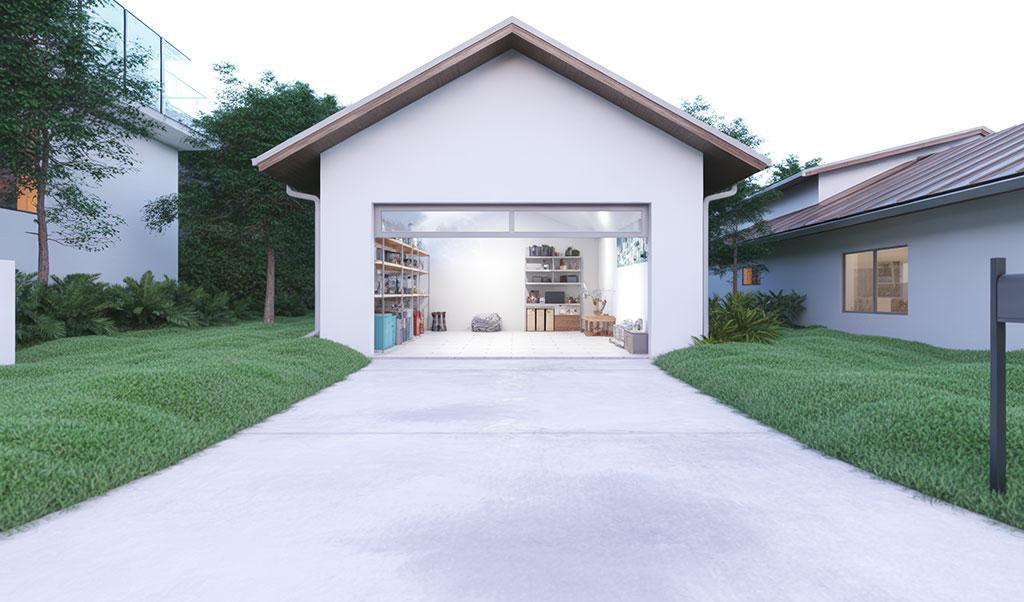
Turning a garage into a cozy space can be a great way to add more usable room at home. Whether it’s going to be a quiet office, a hobby room, or just a place to hang out, comfort makes all the difference. But once the walls go up and the paint dries, one thing can sneak up fast: how cold it stays during winter. Most garages weren’t built to stay warm like the rest of the house.
That’s why planning for warmth is just as important as picking where to put a desk or TV. In places like Calabasas, mornings can feel chilly even when the sun is out. Working with garage conversion contractors who know how to handle everything from insulation to airflow helps avoid those cold surprises later. Pure Builders Inc. is an award-winning residential design-build firm based in Calabasas with more than two decades of experience helping homeowners turn garages and other underused spaces into comfortable living areas.
Choosing the Right Insulation for Comfort
A big reason garages feel colder is that the walls, ceilings, and even garage doors often don’t have any insulation at all. Garages were built to store cars, not people. That means the usual layers that keep your living room warm just aren’t there. Once those walls go up in a conversion, it makes sense to treat them like any other part of the home.
There are a few different types of insulation we usually recommend depending on the structure and setup. Here’s what makes a difference in finished garage spaces:
• Spray foam works well for tight spaces and helps seal out drafts completely.
• Fiberglass batt insulation is common and effective, especially behind drywall.
• Rigid foam panels can be useful on concrete walls or in narrow wall bays.
Windows and door edges are another spot where air slips in. Taking time to seal around edges with caulk or weatherstripping keeps the cold from creeping in overnight. Floors can leak warmth too, especially if they’re just concrete. Getting those covered or layered early makes a big impact.
Heating Options That Make Sense for Converted Spaces
Once the insulation is handled, the next step is adding heat that fits the new use of the room. Not every heating system works well in a converted garage, so it’s smart to think through how the space will be used day to day.
For some homeowners, connecting the garage to the existing home HVAC system works just fine. This depends on how close it is to the ductwork and whether the current unit can handle the extra load. But it’s not always the best match. In many cases, a ductless mini-split system offers easier installation and better control over the exact temperature.
Here’s what we usually look at when choosing a heating system:
• Can the existing HVAC reach and handle the new space?
• Is the garage set apart from other rooms, making individual control more helpful?
• Is a safe, quiet, and adjustable option like a mini-split the better fit?
Portable heaters can seem like an easy fix in winter, but they’re not the best choice for permanent setups. Some come with safety risks, and most don’t spread heat evenly across a larger room. Fireplaces may sound nice but usually add more cost and building complexity than they’re worth.
Fixing Cold Floors and Drafty Doors
Cold feet can ruin a warm room in seconds. A bare concrete floor pulls heat out of the space faster than most people expect. That’s why insulating the floor or building up with a proper subfloor can make such a difference. It doesn’t just trap warmth, it also prepares the floor for whatever finish comes next.
Garage doors are another major problem area. Even if they’re kept in place, many allow a lot of air in around the edges or through poorly insulated panels. They weren’t made to hold in heat. We often look at either removing the door completely and framing in a wall, or upgrading to an insulated garage door with tight-fitting seals.
Standard entry doors matter too. A simple swap to a solid-core door with weatherstrips helps block out cold breezes. The goal is to treat every surface like it belongs inside the home, not outside.
Get the Air Moving Without Losing the Heat
When a room is sealed up tight to keep warmth in, it can make the air feel stuffy. That’s why planned airflow matters, even in a space that’s meant to stay warm. The wrong kind of air movement can let all the heat slip out, but no airflow at all causes different problems.
We find that thinking about ventilation during the planning stage avoids headaches later. Some common fixes include:
• Adding an exhaust fan or ceiling fan to keep the air fresh.
• Setting up smart vents that allow airflow without heat loss.
• Installing a vented fan system with a timer or remote control.
It’s not just about comfort, either. Stale air with no flow can lead to moisture build-up, especially with temperature changes from outside. That can cause materials inside the walls or floor to wear out faster over time.
Stay Warm and Comfortable All Season Long
Garage conversions open up a lot of great ways to use space at home, but they only work if they feel right during every season. Winter comfort depends on more than flipping on a heater. Wall insulation, floor build-up, door sealing, and smart airflow all work together to keep things warm and inviting.
Planning ahead with knowledgeable garage conversion contractors helps make sure that every step is building toward that comfort goal. In places like Calabasas, where warmth matters more than snow, taking the time to build a tight, efficient space means your converted garage is usable all year, not just in spring or summer. As part of our complete home remodeling services, Pure Builders manages every phase from the initial consultation and 3D design through permitting and construction, so garage conversions stay coordinated with the rest of your home.
Keeping your converted garage warm takes more than a quick fix, and we’re here to help you get it right from the start. From insulation and airflow to smart heating choices, every detail matters for comfort. At Pure Builders, we help Calabasas homeowners bring function and warmth together with a focus on design and quality. Let’s talk about your goals and how a complete home remodel can turn your space into something truly livable, no matter the season.