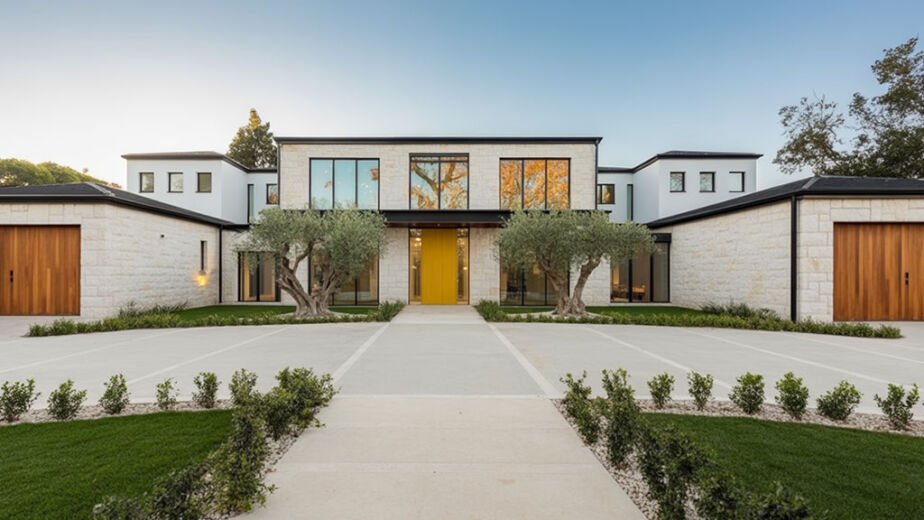

Weather is one part of construction that nobody can control. And while Calabasas tends to stay pretty dry most months, the cooler season can bring some hiccups. Rain, wind, or even sudden cold snaps can slow things down and push back timelines, especially when working on new construction homes. That can feel frustrating when all you want is to see progress.
But here’s the thing. Delays happen, and the best way to deal with them is by getting ahead of them. With some early planning and help from a builder who knows how to keep things moving, weather doesn’t have to throw your whole project off course. For new construction in the Calabasas area, Pure Builders works as a design-build contractor with in-house architects and designers who guide projects from the planning stage through construction.
Planning Ahead for Seasonal Changes
Fall and early winter don’t usually bring severe weather to Southern California, but that doesn’t mean projects go untouched. Even a light rain can hold up work like concrete pouring or roof installation. That’s why we always try to think a few steps ahead.
Before starting, it helps to sit down and look at the seasonal patterns in your area. In Calabasas, October and November can bring patchy rain and cooler nights. It makes sense to schedule outdoor work in earlier parts of fall and move to more protected jobs later in the season. If framing or roofing is lined up for late in the year, we might build in extra days to account for weather shifts. Adding a few extra buffer days can help manage any unexpected weather hiccups, ensuring that every task is allocated ample time for safe completion.
Here’s how planning can make a difference:
• Break the project into phases and match each one to weather-friendly windows
• Prioritize critical steps like pouring slabs or framing while days are still dry
• Keep the timeline open enough for small delays without causing pressure later
Thinking ahead won’t stop delays entirely, but it gives us more choices when something shows up on the forecast.
How Bad Weather Affects the Build
Rain might sound harmless, but it changes how quickly (or safely) the crew can move. For concrete work, moisture throws off the mix and drying time. Wind can stall roofing or anything that requires being higher up for safety reasons. Stormy days can even hold up delivery trucks, which then holds up everything else.
One little delay usually turns into a few more. Concrete takes longer to cure, so the crew schedules other tasks later. If roofing gets pushed out, that means inside work like electrical can’t start yet. It all links together, like dominos. But this isn’t something going wrong, it’s just how building works through the seasons.
By knowing where delays usually pop up, we can leave room in the schedule. That way, when the weather does slow things down, the project doesn’t spiral out of control.
What a Good Builder Does to Stay on Track
Not every hiccup is a full stop. A smart crew knows when to keep working and when to hold off. That’s where experience really shows.
A few ways we help keep things moving:
• Covering open areas with strong tarps to protect from unexpected rain
• Rescheduling deliveries to avoid gaps in supplies when trucks run late
• Checking daily conditions before deciding whether to pause or push through
It’s not just about working fast, it’s about making good calls. When to wait, when to try another task, and how to shift plans without wasting time. Weather doesn’t have to control the whole job if the builder is quick to adjust. At Pure Builders, the design team works closely with project supervision so the details set during planning are carried through during construction, which helps keep schedules organized even when weather conditions change.
Staying in the Loop During a Delay
Weather delays might be expected, but they still bring questions. It’s normal to feel stressed when the schedule changes, especially if you’re not hearing updates.
The best way to stay on track together is through regular check-ins. That might be a phone call, a shared calendar, or an in-person conversation. If the builder tells you clearly what’s happening and what will shift, it takes a lot of weight off your shoulders.
Some tools that help:
• Shared project calendars with flexible dates
• Weekly updates with photos or short summaries
• Quick message threads for heads-up on changes
Waiting longer for your new construction home to cross the finish line is easier when you understand why delays happen, and what’s being done about them.
Keep Your Home Project Moving with the Right Approach
In a perfect world, building timelines would follow the calendar without any bumps. But weather doesn’t always cooperate, especially as we move further into fall. That’s why building new construction homes requires flexibility, patience, and trust in the process.
Most weather delays are short, and the impact can be managed with a little planning and the right adjustments. Clear updates, smart scheduling, and knowing what to expect turn a frustrating pause into something manageable. With the right plan in place, fall weather might slow progress a little, but it won’t stop your project from moving forward.
Planning a project during cooler months or dealing with unexpected rain is easier with an experienced builder who understands shifting timelines. We have successfully managed weather challenges in Calabasas and know how to keep your build safe and on track. This careful planning builds extra confidence. When it comes to building new construction homes, clear planning and open communication make all the difference. At Pure Builders, we’re ready to guide your project with confidence through every season. Reach out to start planning your build today.