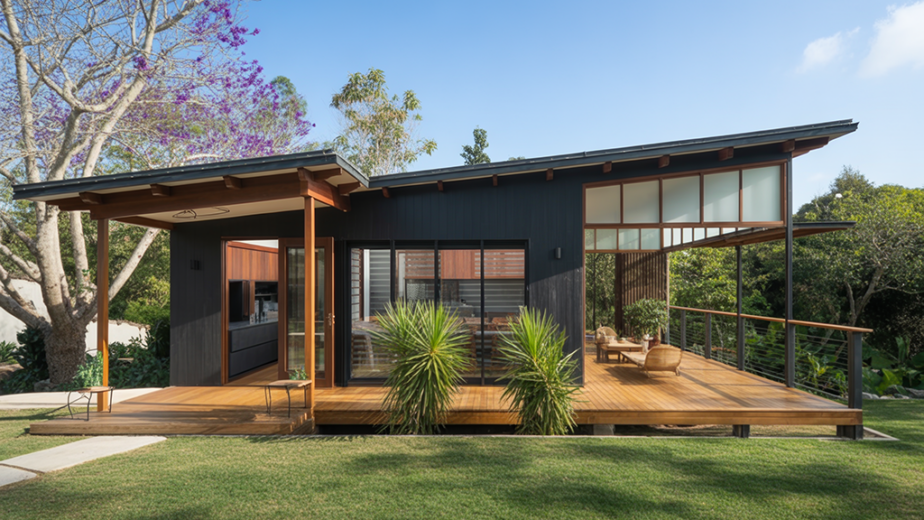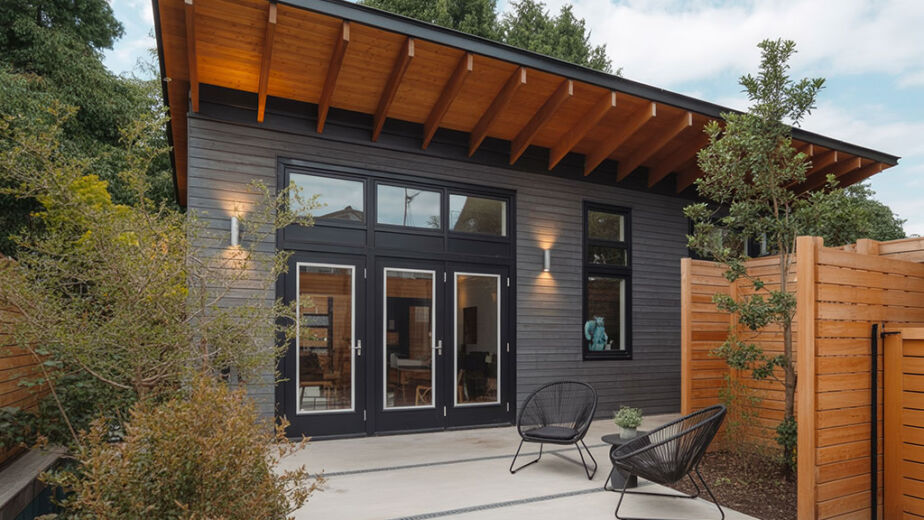
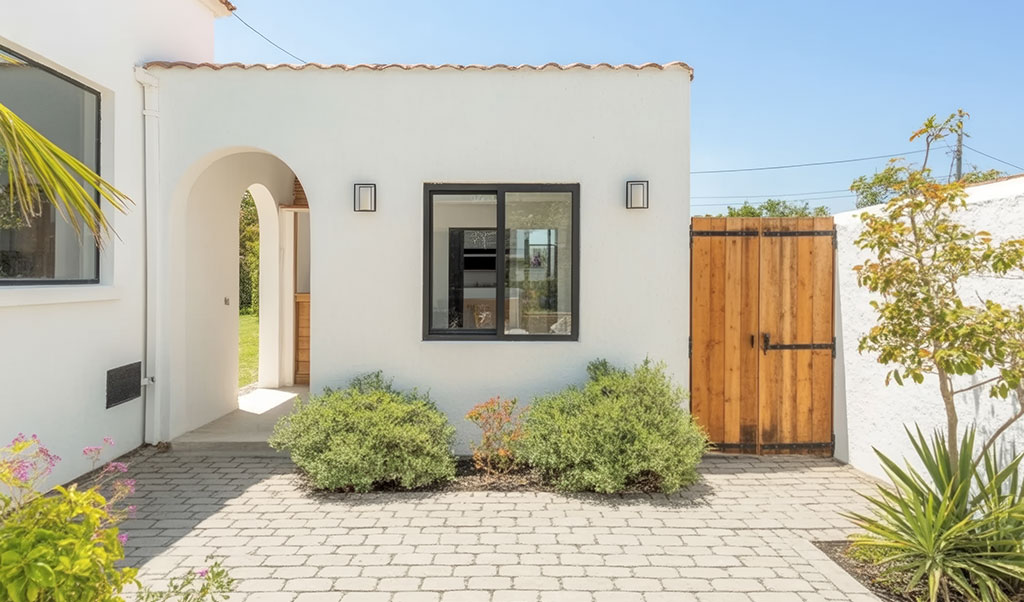
Adding more space to your home doesn’t always mean building up or moving out. In many Calabasas neighborhoods, creating an Accessory Dwelling Unit (ADU) is a smart way to get the extra space you need for family, work, or guests without changing your main living area.
Before you get too far into the design phase, it’s smart to be aware of the ADU permit requirements in Calabasas and how layout rules could guide what you can and can’t do. Knowing these details ahead of time helps avoid stop-work notices or costly changes later. Here is a simple breakdown of what to know so your planning can move forward with fewer surprises.
Know the ADU Rules in Calabasas
Calabasas follows California state law when it comes to ADUs, but the city also has its own set of zoning rules. These rules can affect what kind of ADU you can build and where it can go on your property. The most common types include:
• Detached ADUs, which stand separate from your home
• Attached ADUs, which share a wall with the main house
• Converted space ADUs, such as turning a garage or part of your home into a unit
Each type comes with its own size limits based on the area of your lot. Most single-family homes in Calabasas can build an ADU, but there could be restrictions depending on the shape and size of the lot, how close the ADU is to other buildings, or if the property falls under a special district.
Setback rules (the space between your building and the property line) and height limits also come into play. These can change based on the type of street you’re on or the age of the house. Getting clear on these rules early can help shape the size and placement of your unit from the start.
What to Expect From Permit Requirements
Before construction begins, you’ll need a city-issued permit. ADU permits are reviewed through the building and safety department, and the process includes several parts. You’ll need to submit drawings, specs, and site details that show your ADU follows all local rules.
Be prepared to provide:
• Site plans showing where the ADU will sit on your lot
• Floor plans and elevation drawings
• Information about utility connections for water, sewer, and electricity
It’s common for these reviews to slow down a bit in the winter. City offices often deal with a backlog after the holidays, and your review may take several weeks or more. Planning ahead can help you avoid those delays and keep your construction schedule on track. On many projects, we take care of the permitting from the first application through final inspections so city and county reviews stay organized.
Layout Planning That Meets Local Codes
The inside of your ADU matters just as much as the outside. To get approved, your layout must meet local fire safety, access, and livability standards. That means your floor plan needs to cover the basics while still giving the space enough light, fresh air, and clear exits.
Here are a few layout rules to expect:
• Each ADU must have its own kitchen and bathroom
• Sleeping areas should be separate from kitchens and should include a window or exit
• Ceiling heights usually must be at least 7 feet in most rooms
You’ll also need to plan for natural lighting and ventilation. This often means carefully placing windows in ways that meet code while still offering privacy. Depending on your property, it might take some thinking to meet both fire access and spacing rules.
How Neighborhood Guidelines Can Affect Your Build
Even if the city approves your plans, your neighborhood might have extra guidelines. If you live in a neighborhood with a homeowners association (HOA), you’ll likely need to share your design plans with them before starting work. HOAs can place limits on things like:
• Exterior colors and materials
• Window style, roof shape, or coverings
• Fencing, privacy features, and outdoor lighting
Some guidelines are more flexible than others, and timelines may vary. If you skip this step and start building, you could be asked to redo something that doesn’t meet HOA standards, even if it passed city review. Getting a green light from both the city and your neighborhood board keeps your project moving forward smoothly.
Simplifying the Building Process with Local Help
Planning and building an ADU can be tricky, especially when dealing with both city codes and neighborhood rules. This is where working with someone who already knows how ADU permit requirements in Calabasas work can make a big difference.
Locals who handle this regularly know which details tend to slow things down. They often help prepare site plans, guide you through layout planning, and manage the paperwork for permits and inspections. For our projects in Calabasas, we use a full design-build approach, with our designers and builders working together and using 3D plans so you can review the layout before any work starts.
Make Your ADU Plan Work From the Start
Getting an ADU off the ground in Calabasas starts with knowing the rules. When you understand what your city allows and what your lot supports, your planning becomes more focused and less likely to run into delays.
With winter being a slower building season, now is a smart time to get your permits and layout plans in shape. That way, when spring hits, your project can move forward smoothly without major revisions. A little time spent clarifying the details now can lead to an easier build later and a space that’s ready to use when you need it.
Thinking ahead about permits and design is the smartest way to keep your ADU build stress-free. At Pure Builders, we help navigate the details so your plans meet all city rules without delays or surprises. If you’re ready to explore the benefits of smart, efficient living solutions, our team knows how to streamline the process. Learn more about working with a trusted custom ADU builder in Calabasas who can help bring your space to life.