Turn Devastation Into Opportunity for Your Pacific Palisades Fire Rebuild
Losing a home to wildfire in Pacific Palisades hits hard. It is emotional, stressful, and it can feel like you are racing a clock with insurance and the next fire season in the back of your mind. On top of that, you may be staring at a stack of fire rebuild services proposals that all sound different, yet somehow the same.
This is where a clear, apples-to-apples comparison really matters. In high-fire, coastal hillside neighborhoods like Pacific Palisades, rebuilds come with extra layers: strict building and fire codes, slope and soil concerns, view protections, coastal and city reviews, plus insurance timelines that do not slow down just because a department is backed up.
That is why many owners turn to a design-build approach for full-house tear-downs and new construction after a fire. With design-build, the architecture, engineering, and construction all live under one roof. One team plans the home, draws the permit set, and builds it. When it works well, you get fewer gaps, fewer finger-pointing moments, and a smoother path from a burned lot to the finished keys.
To choose the right team, you need to look past the cover page and learn how to read each proposal for what it really includes. Scope, allowances, timelines, and contract terms all shape your final home, your stress level, and how quickly you move back in. Let us break down how to read those pieces in a simple, practical way.
Reading Between the Lines of Scope in Fire Rebuild Proposals
The first place to look is the scope of work. This is the story of what your builder is promising to do. If the scope is vague, you can be sure there are big differences hiding behind nice words.
Phrases like “modern home rebuild” or “premium finishes” sound good but do not explain what is actually included. For a Pacific Palisades fire rebuild, you want clear language around:
- Demolition and debris removal, including handling fire-damaged material
- Foundation replacement or repair, plus any needed soil or hillside work
- Drainage improvements to handle stormwater on a sloped lot
- Structural upgrades for both fire and seismic safety
- Full new construction, instead of patching together old and new areas
Then there are the soft costs. These can quietly disappear from a proposal and bounce back to you later. Watch for:
- Architectural design and planning
- Structural and civil engineering
- Title 24 and energy compliance documents
- City planning reviews, and any coastal-related reviews if they apply
- Complete permitting support through final approvals
A simple way to compare is to print each proposal and go line by line with a pen. Ask: “Is this item included, excluded, or not mentioned?” The firms offering true fire rebuild services as a turnkey package will show design, engineering, permits, and construction all within one coordinated scope. Others may shift design and permits onto you, which often means more time and more stress.
Allowances, Specs, and “Too Good to Be True” Pricing
Next, look at allowances. An allowance is a placeholder number for items you will choose later, like floors, tile, appliances, landscape, and hardscape. Low allowances can make a proposal look cheaper on paper, but once you pick real items that match your taste and neighborhood, the price can climb through change orders.
In Pacific Palisades new construction, some allowance categories carry extra weight:
- Fire-resistant roofing and exterior siding
- Upgraded windows and large glass doors to capture views
- Custom cabinetry and built-ins
- Outdoor living areas, kitchens, and shade structures
- Pool or spa rough-in and equipment infrastructure
Also look at the specifications, not just the numbers. Two proposals might both say “new windows,” yet one might be a basic product and the other a higher-performance option with better energy performance and fire-resistive ratings.
Ask each design-build team to explain, in plain language:
- What type and brand of materials are included
- Insulation levels and wall assemblies, especially for fire resistance
- Window and door performance, such as impact on comfort and sun control
- Smart home features, electric vehicle readiness, and solar-ready planning
A helpful move is to ask for at least one “good, better, best” allowance scenario that stays within your insurance budget and neighborhood expectations. That way, you are not pushed into upgrades mid-construction just to get the level of finish you always had in mind.
Timelines That Match Insurance, City Review, and Fire Season
Timelines can look simple on a one-page chart, but there is a lot going on behind those dates. A realistic Pacific Palisades fire rebuild follows a general sequence:
- Site assessment and coordination with your insurance adjuster
- Architectural design and preliminary planning meetings
- Structural engineering and any hillside or retaining wall design
- Submittals to the city and any required coastal or planning review
- Permit issuance, then full ground-up construction
Differences in schedule often come from what is handled in-house versus outsourced. A design-build firm that manages architecture and engineering with its own team can usually keep design and revisions moving without long gaps. Familiarity with local Los Angeles permitting and coastal-adjacent rules also cuts back-and-forth time.
Starting in spring, many owners use the longer daylight hours to push design forward, then aim to break ground by late summer or fall. That timing helps push foundation and framing during dry months, and get the shell closed up before heavier rain can slow exterior work.
When you compare proposals, look for:
- Clear milestone dates for design, permits, ground-breaking, and completion
- Realistic durations for each review phase, with some buffer for comments
- Written notes on how delays are handled, including city-related slowdowns
- Who will coordinate with your insurance and how often you will get updates
A schedule is a promise. You want that promise in writing, with reasonable breathing room, not just an optimistic best-case chart.
Contract Terms That Protect You During a Fire Rebuild
Finally, contracts. The structure of the contract shapes how risk and surprise are shared.
You are likely to see one of three models:
- Fixed-price, where the main work is covered by a set amount based on detailed plans and specs
- Cost-plus, where you pay actual costs plus a fee to the builder
- Hybrid models, which may fix some categories and leave others flexible
Each has its pros and cons for budget clarity and change-order risk. Whatever the model, you want must-have protections like:
- A clear scope exhibit aligned with the proposal you agreed on
- Detailed plans and specifications attached and referenced
- A payment schedule tied to visible milestones, not just dates
- Clear definitions of “substantial completion” and warranty period
Change orders should also be handled in a clean way: written, priced in advance, and approved by you before work happens. They should mainly appear when you upgrade or add scope, not when the builder is catching up on normal, foreseeable conditions for a fire-damaged lot.
It is also important to confirm licensing and insurance, and to ask about wildfire-specific experience. Then ask one simple question: “Will the same team who created this proposal actually be the team managing my project day-to-day?” You want consistency from first meeting to final walk-through.
Rebuilding Better Than Before with a Complete Design-Build Team
Once you review a few proposals through this lens, many owners narrow down to two or three design-build firms and ask each for a clarified version. The goal is to line up scope, allowances, timelines, and terms so you can compare true equals, not guesses and gaps.
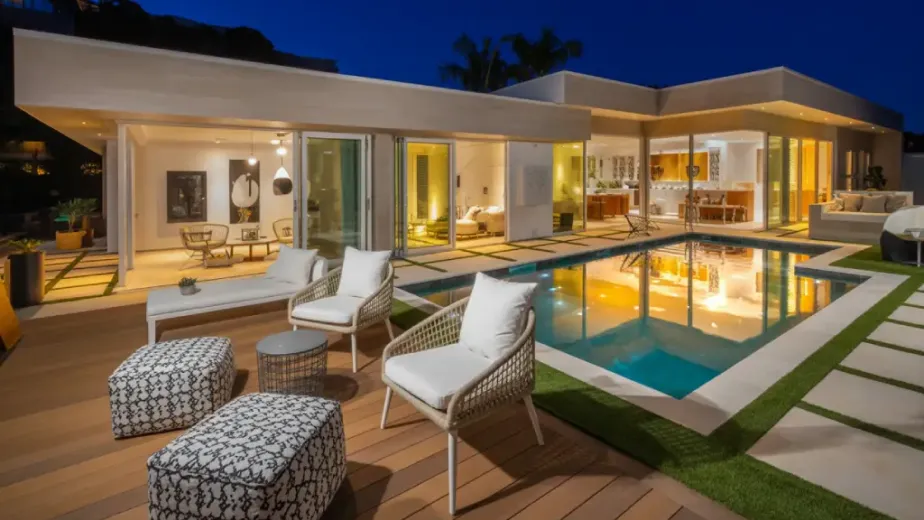
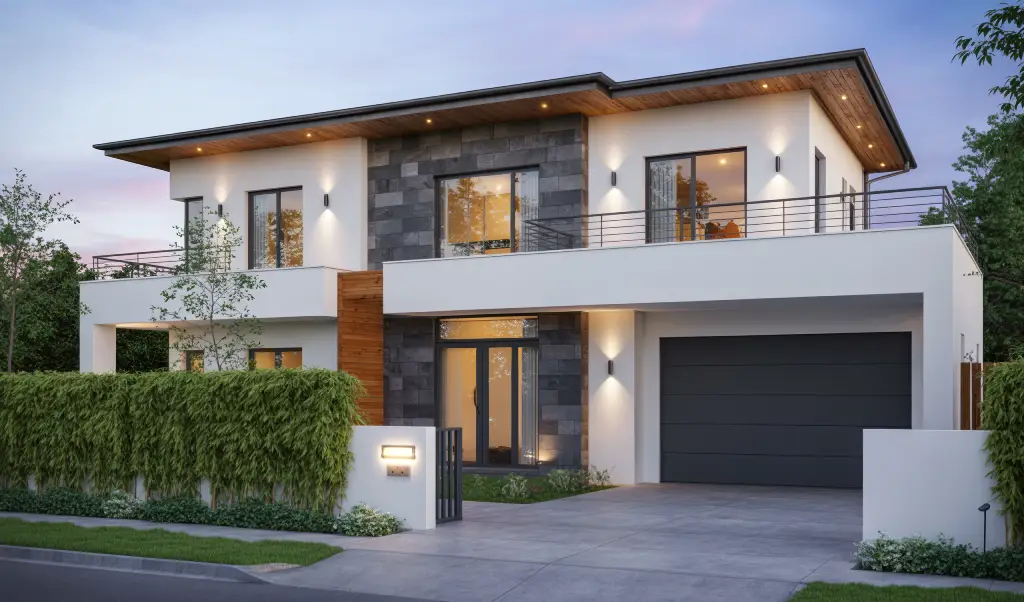
A fire loss is painful, but it can also be the moment when you design a home that works better than the one you lost: a safer, more resilient, more functional custom home that fits Pacific Palisades life. That can include fire-hardened exterior assemblies, smarter layouts for indoor-outdoor living, improved site drainage, as well as energy-efficient systems and solar-ready planning that add long-term value.
At Pure Builders Inc, we focus on new construction, custom homes, ADUs, and full-house rebuilds as an integrated design-build team. Our goal with fire rebuild services is to help you move from comparing confusing bids to building a clear, complete plan for your next home, so you can return to your lot with more confidence and less guesswork.
Rebuild Your Home With Confidence And Care
When you are ready to restore your property after a fire, Pure Builders is here to guide you through every step with clarity and respect for your home. Our expert fire rebuild services focus on safety, quality materials, and thoughtful design so you can move forward with peace of mind. If you are ready to discuss your project or have questions about next steps, contact us today.