From Ashes to Ocean Views: Preparing Your Lot to Rebuild
Rebuilding after a fire is heavy, but it is also a chance to start fresh. In Pacific Palisades, where the hills meet the ocean, summer is the perfect window to get your fire-damaged lot secure, organized, and ready before fall storms and shorter days bring new challenges. The smoother this early stage goes, the less stress you will feel once trucks, trades, and inspections start.
When planning a fire-damaged house-rebuild in Pacific Palisades, the work you do now shapes your entire timeline. Early decisions about security, utilities, and neighbors can prevent a long list of delays later. It also lets you shift your focus from loss to opportunity, because a new custom home is a chance to build better, safer, and more in tune with how you want to live by the coast.
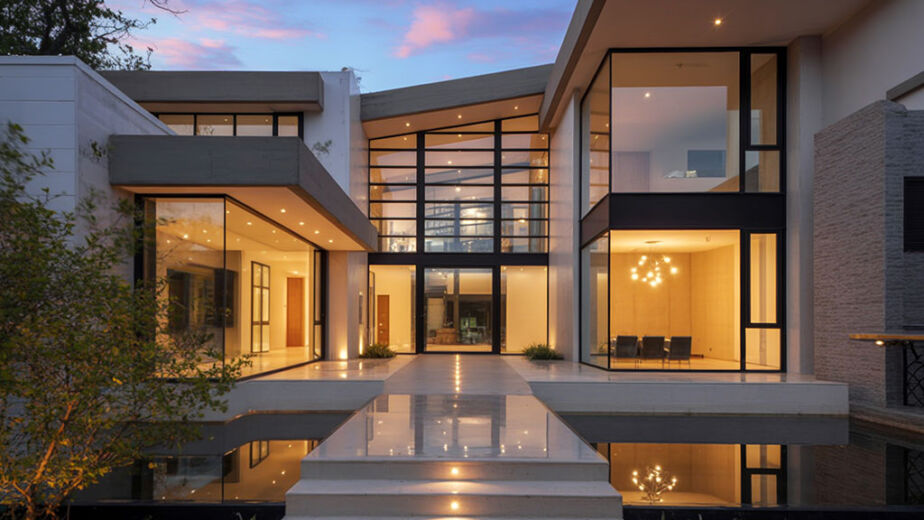
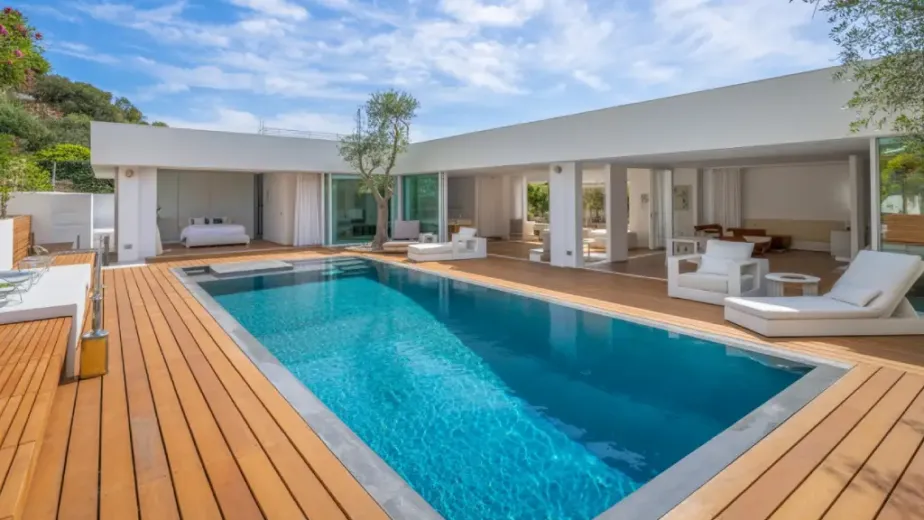
Rebuilding is not just about replacing what burned. It is about rethinking the whole property, from the driveway and pool layout to outdoor rooms that catch those canyon breezes. With smart planning, your new home can feel calm, protected, and made for the Pacific Palisades lifestyle.
Locking Down Your Fire Lot Before Construction Starts
Once the fire crews are gone, your lot can feel exposed. There may be open foundations, broken walls, and personal items left in the debris. Before building starts, the first step is to secure the site so it is safe and controlled.
Good site security usually includes things like:
- Perimeter fencing around the entire lot
- A solid, lockable gate at the driveway or main access
- Clear, code-compliant signs to mark private property and contact info
- Lockboxes for keys that only the project team can access
These pieces help keep out trespassers, protect neighbors from hazards, and define where work will happen. On fire lots, there is often a slab, stem walls, or partial structures still standing. Those areas need extra care so no one gets hurt before demolition and grading.
We also look at how to protect:
- Any remaining structural elements that may be reviewed by adjusters
- Ash and debris zones that must stay undisturbed until testing and removal
- Steep slopes or retaining walls that could shift if someone walks on them
On rebuilds, we coordinate with insurers, adjusters, and city inspectors so security does not slow things down. When the lot is properly fenced and labeled, it is easier for professionals to access what they need, get photos, complete reports, and move the claim forward. That leads to smoother permitting and a cleaner handoff from “fire scene” to “new construction site.”
Smart Temporary Utilities Planning for a Coastal Rebuild
The next big question is power, water, and basic services during construction. A ground-up fire-damaged house-rebuild in Pacific Palisades usually needs more than just a couple of cords and a garden hose. If you want crews to move fast, the right temporary utilities have to be in place at the right time.
For most coastal rebuilds, we look at:
- Temporary power poles or panels for tools, lighting, and equipment
- Water access for dust control and concrete work
- Portable restrooms for crews and inspectors
- Sometimes temporary data or cell boosters so field teams can communicate on site
Timing is everything. Utility companies often have lead times, especially when many homes in the area are rebuilding at once. If power or water is not ready when crews are set to pour foundations or start framing, the whole schedule can slip.
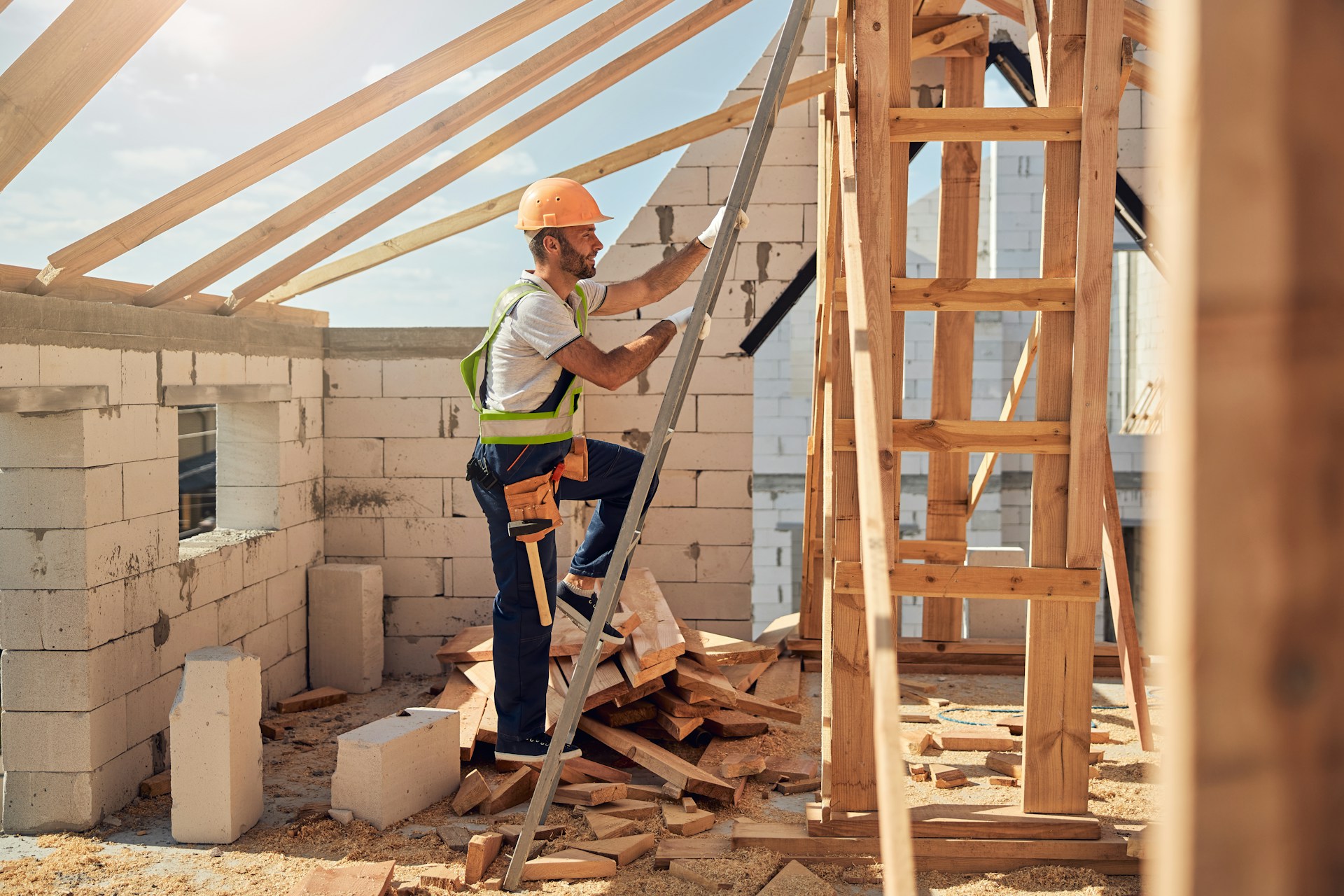
We like to plan these steps in late spring and early summer, when you still have room to adjust. Our in-house design and permitting team thinks ahead about where those temporary poles, panels, and restrooms should go so they do not get in the way of future retaining walls, pools, or guest houses. We size temporary services with the full coastal compound in mind, not just a small repair. That way the site setup supports the entire build, from excavation to final finish.
Being a Great Neighbor While You Rebuild Your Home
Rebuilding in Pacific Palisades does not happen in a bubble. You share streets, views, and parking with your neighbors, and they feel your project every day. A bit of early communication can turn a stressful rebuild into something the whole block can live with.
We often suggest that owners:
- Give nearby neighbors a simple overview of the project and rough timing
- Share typical work hours and which days are likely to be the busiest
- Point out a main on-site contact from the build team for questions or concerns
People on your street usually care about the same things:
- Noise during summer when windows are open
- Construction parking that eats up limited street space
- Dust from grading or demolition
- Worries that new walls or second stories might impact their views
To keep the peace, we set clear jobsite rules. That may include defined work hours, no-blocking zones for driveways, wheel-wash routines to avoid tracking dirt, and regular sweeping of sidewalks and streets. We also plan deliveries to avoid school drop-off, weekend beach traffic, and tight turns on narrow hillside roads. When trucks do not clog the street at the worst possible times, everyone feels more respected.
We find that when neighbors see a clean, organized site, they feel more confident about the project. They may still have questions, but the tone shifts from frustration to cooperation.
Designing a Safer, Stronger Coastal Compound After Fire
A fire is painful, but it is also a clear line between old and new. Instead of patching together what was left, many homeowners treat a fire-damaged house-rebuild in Pacific Palisades as a full reset. That means planning a complete coastal compound that is safer, stronger, and better suited to the way they live now.
Fire-wise site design starts with the land itself. We think about:
- Defensible space around structures
- Smart planting choices and irrigation so landscaping does not become fuel
- Clear zones for driveways and access if emergency crews ever need to return
Then we look at the home’s shell and openings. Noncombustible exterior materials, thoughtful roof choices, and safer vent and window selections can help the structure perform better in a future fire event. It is not about fear; it is about peace of mind.
Because we work as a design-build team, we bring architectural design, structural engineering, and interior planning together under one roof. That makes it easier to plan the whole property as one coordinated project. We think about how the main house, guest spaces, pool, decks, and outdoor kitchen connect, so it feels like a true compound and not a bunch of add-ons. The result is a coastal home that feels seamless from the front gate to the back patio.
Turning Your Burned Lot Into a Coastal Retreat
When you stand on a burned lot, it can be hard to picture a calm, finished home. The key is to take it one step at a time. Early on, we like to start with a simple site walk, a review of any existing reports or plans, and a conversation about your goals. That first phase often focuses on three things: security, temporary utilities, and neighbor strategy, even before design drawings begin.
From there, we manage the full fire-rebuild path in Pacific Palisades, from working with you to secure the lot and plan demolition to moving through design, permitting, and new custom home construction. With thoughtful planning and a steady process, your fire-damaged property can shift from a reminder of loss to a coastal retreat that fits the way you want to live for years to come.
Get Started With Your Project Today
If you are facing the stress of rebuilding after a fire, we are here to guide you through every step with expertise and care. At Pure Builders, our experienced team will handle planning, permits, and construction so your fire-damaged house rebuild in Pacific Palisades is completed efficiently and to the highest standards. Reach out to us today through our contact page so we can discuss your needs and start shaping a clear plan forward.