Rebuilding After Fire with a True Fresh Start
Losing a home to fire turns life upside down. On top of the shock and paperwork, you are suddenly asked to make big decisions about plans, permits, and builders. It is hard to think clearly when you are still dealing with the loss.
One shift can help: move from thinking about “repairing damage” to “designing my next home.” A fire rebuild does not need to be a quick patch or a copy of what you had before. Treated as a true ground-up project, it can become a chance to rebuild better, safer, and more in line with how you actually live.
Right after the insurance claim, most homeowners worry about three things: how long this will take, who handles approvals, and if the budget will hold together. A design-build fire rebuild general contractor can make that feel more manageable by bringing architecture, engineering, construction, and permitting into one coordinated team instead of separate pieces you have to juggle on your own.
Here is the core idea: with the right team, a fire rebuild can lead to a stronger, more efficient, fully custom home that is a clear step up from what was lost, not a compromise. Spring and early summer in the Los Angeles area are key planning months for that. This is when many homeowners lock in design, submit permits, and line up construction so the work can move smoothly through the rest of the year and ahead of peak wildfire season and busy building schedules.
Why a Fire Rebuild Is Really a New Construction Project
Many people hear “fire repair” and think of replacing drywall and cabinets. In reality, a serious house fire often pushes the project into full new construction.
Fire, smoke, heat, and water can affect parts of the structure that are not obvious at first. That is why post-fire homes often need:
- Careful evaluation or replacement of the foundation
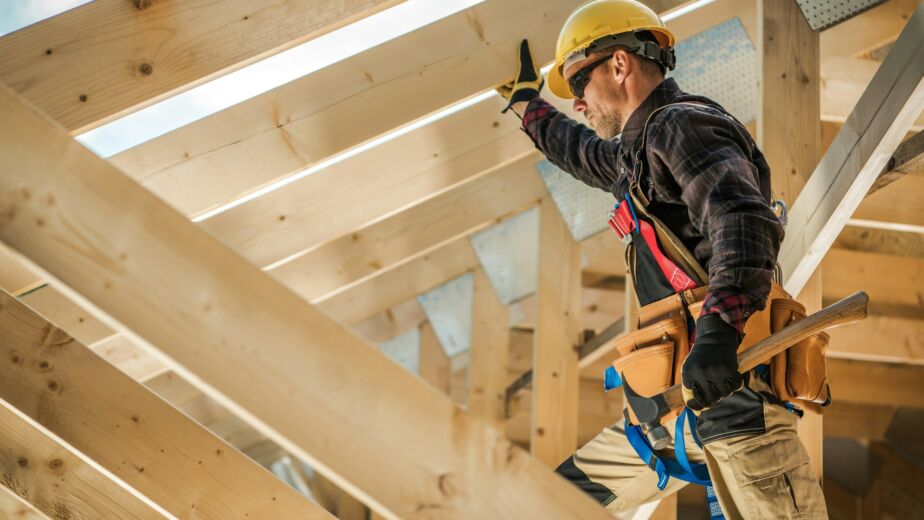
- New framing and structural systems from the ground up
- Completely new electrical, plumbing, and HVAC
- Upgrades to meet current building and energy codes
Once you are doing that level of work, you are not just touching up a home. You are building a new one.
This is where the mindset of your contractor matters. A remodel contractor is used to working around existing walls, odd corners, and old systems. That is helpful for kitchen updates, but after a major fire you have a fresh slate, not a simple remodel. A builder who focuses on custom new homes knows how to:
- Plan clean, efficient layouts from scratch
- Lay out windows for light and privacy instead of old wall lines
- Integrate current structural, electrical, and safety standards from day one
Insurance language can add confusion. Policies often mention “repairs,” but city rules, smoke damage, and modern codes can push the scope into full rebuild territory. You want a contractor who understands that shift and treats your project like the new-build that it really is.
How a Fire Rebuild General Contractor Streamlines the Process
So what makes a fire rebuild general contractor different from a typical home builder? It starts with experience in post-fire work and a clear process that runs from first assessment to final inspection.
A strong fire rebuild contractor will usually handle:
- Review of insurance scopes and reports
- Coordination with engineers for structural needs
- Rebuild plans that reflect both code and your wish list
- Scheduling, inspections, and final sign-off
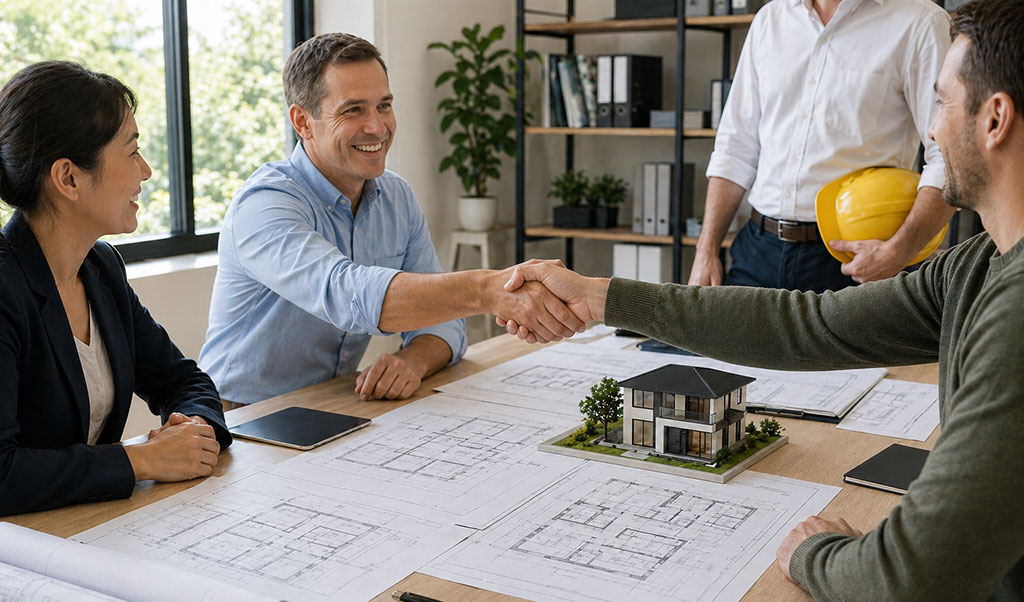
When architecture and design are in-house, the process gets even smoother. You are not stuck waiting while different companies trade emails. Designers and builders can talk directly and adjust in real time. That helps with:
- Faster design decisions and fewer mix-ups
- Plans that match your budget and lifestyle from the start
- Space planning that fits how you want to live now, not decades ago
- Design choices that support future fire resilience, not just looks
Permitting is a huge part of fire rebuilds in and around Los Angeles. Rules about wildland-urban interface areas, energy codes, structural details, and hillside lots can lead to surprise upgrades if your team is not prepared. A fire rebuild contractor who knows local expectations can explain likely requirements early so you are not caught off guard later.
How to Choose the Right Rebuild Team
Picking the team that will rebuild your home is a big emotional and practical decision. A few key criteria can help you sort through options.
- Real experience with fire rebuilds that became brand-new homes
- A strong track record in custom new construction, not just small remodels
- Projects in neighborhoods similar to yours, including hillside or high-fire-risk areas
Design-build capabilities under one roof are especially helpful for fire projects. When architecture, interior design, engineering coordination, and construction management all live together, you get:
- Fewer handoffs and less finger-pointing
- A single team owning both design and execution
- One clear path for decisions, changes, and approvals
Local knowledge matters too. Building departments around the Greater Los Angeles area can have their own ways of handling plan checks, reviews, and inspections. Your contractor should be able to talk clearly about current fire, seismic, and energy code expectations where you live.
Finally, pay close attention to communication and project management. You want:
- One main point of contact you can reach when questions come up
- Clear schedules and regular updates
- A simple, written process for change orders and material selections
Fire rebuilds are not just technical projects; they are emotional ones. Strong communication helps keep stress from running the show.
Questions to Ask a Fire Rebuild General Contractor
Before you sign anything, come prepared with focused questions. The answers will tell you a lot about how your project will feel day to day.
Good scope and approach questions include:
- How will you decide whether to reuse or replace my foundation?
- How do you handle hidden smoke and heat damage in areas that look “fine”?
- How do you turn an insurance “repair” scope into a plan for a true new build?
Ask about process and timing too:
- What is a realistic design and permitting timeline in this part of Los Angeles?
- How do you sequence design, engineering, and approvals?
- What can we start during spring so construction can begin smoothly later in the year?
Money questions should focus on clarity, not just numbers:
- Can you share sample budgets from similar fire rebuild new construction projects?
- How do you set and explain allowances for finishes and fixtures?
- What happens if the insurance estimate does not match the cost of the home I really want?
Finally, ask about quality and long-term resilience:
- How will you improve fire resistance in the new design and materials?
- What do you recommend for windows, roofing, and exterior finishes in high-fire areas?
- How can we plan defensible space and thoughtful site layout to be better prepared for future wildfire seasons?
Turning Fire Loss Into a Custom New Home Vision
After a fire, it is easy to stay in emergency mode, only thinking about what was lost and how to replace it as fast as possible. At some point, it helps to pause, breathe, and start planning on purpose. A rebuild is a chance to rethink your layout, bring in more natural light, improve outdoor living, and add the modern comforts you always wished you had.
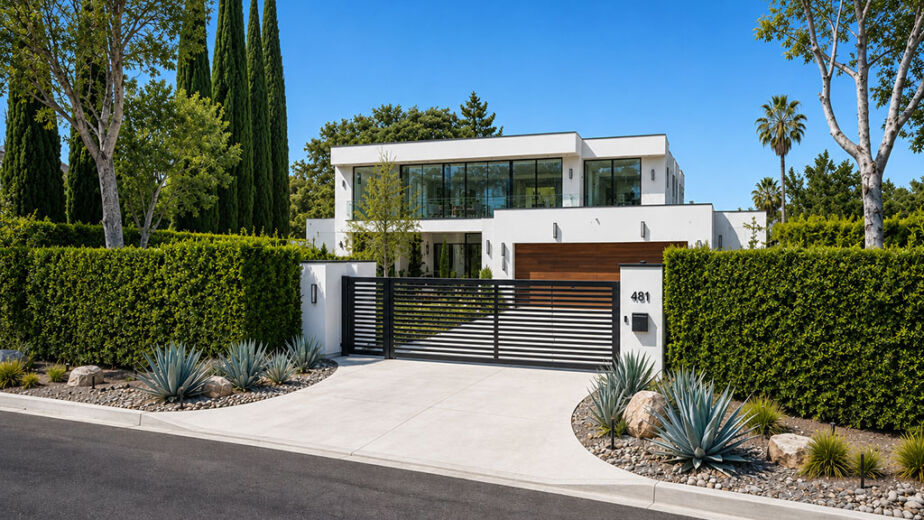
Choosing a fire rebuild general contractor with real custom new construction experience and in-house design support is the most direct path to a fully rebuilt, high-end home in the Los Angeles area. Instead of stitching the past back together, you and your team can shape a new space that works for the next chapter of your life. At Pure Builders, we see every fire rebuild as a true new build and an opportunity to create something stronger, smarter, and more personal than before.
Get Started With Your Project Today
When you are ready to rebuild safely and confidently after a fire, Pure Builders is here to guide every step. As a trusted fire rebuild general contractor, we focus on restoring both the structure and your peace of mind with clear communication and precise planning. Reach out to contact us so we can review your situation, outline your options, and help you move forward with a solid plan.