
Turning Loss Into a Stronger Home on the Hill
Rebuilding on a hillside in Pacific Palisades is a different challenge than rebuilding on flat ground. Steeper grades, shifting soil, retaining wall requirements, drainage engineering, and tighter setback regulations all add layers of complexity that a standard rebuild doesn’t face. After a fire, those challenges multiply, burned vegetation destabilizes slopes, and exposed soil changes how water moves across the property.
None of this makes a hillside rebuild impossible. It just means the process demands more planning, more specialized expertise, and a design-build approach that treats the land as seriously as the structure going on it. This guide covers what hillside homeowners in Pacific Palisades need to know, from geotechnical assessments and foundation design to code compliance, permitting, and the construction sequencing that keeps a steep-lot project on track from start to finish.
Understanding Your Hillside After the Fire
Fire changes more than what you can see. On a slope, the heat, smoke, and water from firefighting can affect the ground and any remaining structure. Even if some walls are still standing, the hillside may not be the same.
Ash, runoff, and heavy water use can weaken soil. Retaining walls might have small cracks or hidden movement. Foundations that used to feel solid may no longer be the best base for a new life on that lot. That is why the first step is not picking tile or paint; it’s all about safety.
Early on, you want a tight team working together, usually made up of:
- A geotechnical engineer to study soil, slope, and drainage
- A structural engineer to look at foundations, walls, and support systems
- A design-build contractor to connect findings to real construction options
Instead of guessing what can stay and what must go, this team studies how the fire and all that water affected your hillside. They look at soil movement, any existing caissons or grade beams, and how well the lot can handle new loads. They also look at access for construction equipment, which can be tricky on narrow Palisades streets and steep driveways.
Updated wildfire zone maps and current building codes are part of this early check too. Rules in these areas continue to tighten. Trying to save old work that no longer fits the rules can turn into a long, stressful process. Many times, a ground-up fire-damaged home rebuild gives more design freedom and a better long-term result.
Designing for Fire, Views, and Everyday Living
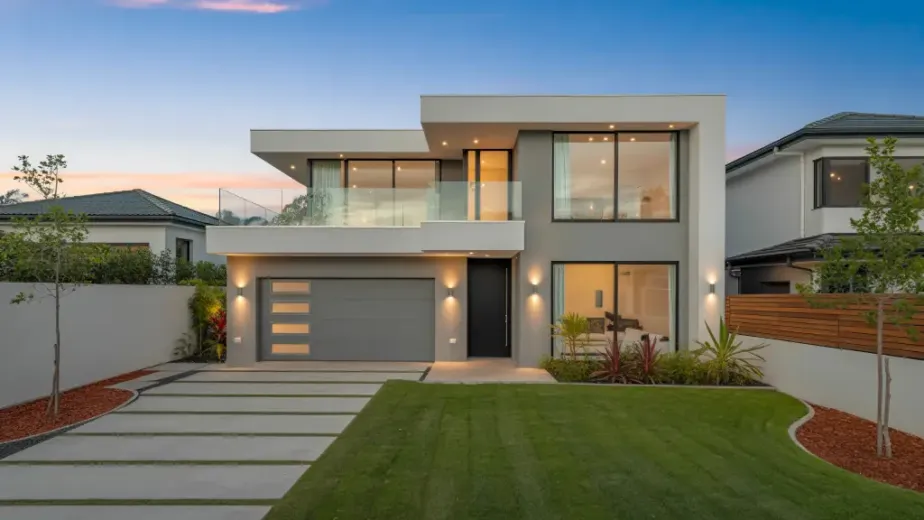
Once you know what your slope can safely support, the fun part can start: designing a new hillside home that truly fits the lot. Starting from scratch means you can shape the house around the views instead of forcing the views to fit old walls.
On a Pacific Palisades hillside, that might mean:
- Placing main living spaces to catch ocean or canyon views
- Keeping bedrooms quiet and private on the uphill side
- Lining up windows and openings so light pours through the home
- Planning clear, wide paths for safe evacuation
With a new layout, you can respect your neighbors too. Careful window placement can protect both your privacy and theirs. Decks and balconies can step down the hill, giving outdoor space without overpowering nearby homes.
Fire-smart design is baked in from day one. That can include non-combustible exterior cladding, ember-resistant vents, and tempered glass in key areas. Roof shapes and overhangs can be planned to reduce ember traps. Landscaping can be designed as defensible space, with hardscape zones near the house and plantings that help slow fire spread.
At the same time, a custom rebuild on a hillside lets you bring in modern SoCal living: wide sliders that open to terraces, shaded outdoor rooms, and smart layouts that stay cool and comfortable in the sun. It is also a chance to fold in energy-efficient systems and seismic resilience that are much harder to add later in a simple remodel.
From Permits to Groundbreaking on a Steep Lot
If you live in Pacific Palisades, you already know there are plenty of rules. With a sloped lot and a full fire-damaged home rebuild, those rules multiply. There are city requirements, hillside guidelines, coastal-related limits in some areas, neighborhood design review, and updated wildfire and energy codes that apply to new construction.
Trying to manage all of that with separate designers, engineers, and builders can turn into a long chain of “hurry up and wait.” One change from one professional can send the plans back to another, again and again.
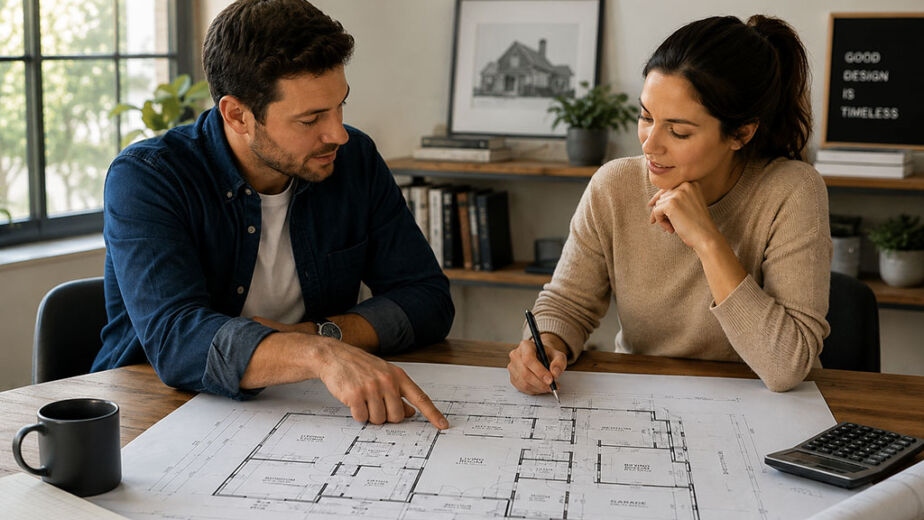
A design-build team helps keep everyone moving together. Surveys, soil reports, and engineering can be planned with permits in mind from the start, not as an afterthought. The goal is to reduce redesign cycles and keep your timeline realistic.
Spring is an ideal time to lean into the planning side. While kids are wrapping up the school year and calendars start to fill with summer trips, the project can move through design, engineering, and permit review. That way, major grading, foundation work, and structural framing can often line up with the drier months, when access and soil conditions tend to cooperate better.
Building for the Next 50 Years on a Fire-Prone Slope
When construction begins, the real work happens in the parts you do not always see. On a steep lot, structure and drainage are just as important as finishes.
Key hillside construction methods often include:
- Deep foundations like caissons tied together with grade beams
- Engineered retaining walls planned hand-in-hand with drainage
- Drainage systems that move water away from the home and slope face
- Terraced decks and patios that work with the grade, not against it
Fire-smart choices continue in this phase too. Class A roofing, tempered glass, ignition-resistant siding, and closed eaves all help your new home stand up better if fire ever returns to the area. Hardscape zones around the house, like patios and pathways, create a buffer that helps keep flames at a distance.
A single design-build team keeps an eye on schedule, inspections, and quality from start to finish. Instead of acting as the go-between for different groups, you can focus on the bigger questions: how you want to live in the home, how spaces should feel, and what will still make sense for your life many years down the road.
Turning Your Hillside Rebuild Into a Confident New Beginning
Rebuilding a fire-damaged home on a Pacific Palisades slope is not simple, and it should not be. Your lot, your hillside, and your family all deserve careful thought. But complex does not have to mean scary. With the right support and a clear plan, it can be a powerful reset.
A new hillside home can be safer, smarter, and more beautiful than what stood there before. It can be shaped for wildfire risk, earthquakes, and the way your family actually lives, not just how the old house once worked. Instead of chasing “back to normal,” you can aim for “ready for the future.”
At Pure Builders, we focus on custom new construction, full house rebuilds, and major residential projects from concept through completion. For Pacific Palisades homeowners facing a fire-damaged home rebuild on a slope, we bring design and construction together so the hillside, the structure, and your daily life all work as one.
Rebuild Your Home With Confidence And Care
When you are ready to move forward after a fire, we are here to guide every step of your fire-damaged home rebuild. At Pure Builders, we focus on restoring safety, comfort, and lasting value so your home truly feels like yours again. Tell us about your project and goals, and we will provide a clear, personalized plan. If you would like to discuss timelines, budgets, or next steps, contact us today.