Rebuilding on the Hillside: How to Safely Start Over After a Wildfire
Slope stability isn’t something you evaluate after the foundation is poured. It’s the first technical question a hillside rebuild needs to answer, and getting it wrong is expensive, dangerous, and nearly impossible to fix after the fact.
In Pacific Palisades, fire compounds the risk. Root systems that once held soil in place are gone. Drainage patterns have shifted. Retaining walls may have been weakened by heat exposure in ways that aren’t visible from the surface.
Before any design work begins, a geotechnical report establishes what the land can actually support and what engineering is needed to make it safe. This guide explains how an experienced fire rebuild contractor in Pacific Palisades approaches slope assessment, retaining wall design, soil reinforcement, and the structural decisions that ensure a hillside home is built on ground you can trust.
Why Geotechnical Reports Drive Every Smart Hillside Fire Rebuild in Pacific Palisades
A geotechnical report sounds very technical, but the idea is simple. It answers one big question: what is the ground on your lot really doing, and what does your new home need in order to stand safely on it?
To answer that, geotechnical engineers usually:
- Take soil samples by drilling or boring into the slope
- Test how strong the soil is and how it behaves under load
- Study the angle and shape of the hillside and nearby canyons
- Look for groundwater or seepage that could weaken the slope
- Review how fire and loss of vegetation may have changed surface stability
Fire can dry out upper layers of soil and burn away organic material that helped bind it together. It can also leave a thin, water-resistant layer near the surface. When the rains come, water can run off faster, or suddenly soak deeper than before. Both can affect slope safety.
In Los Angeles hillside and coastal slope areas, an updated geotechnical report is often required after a fire, especially if:
- You are planning a full new foundation instead of using old footings
- You may need deeper caissons or piles into stronger soil or bedrock
- You want to shift the home footprint, add levels, or expand decks and flat pads
A skilled fire rebuild contractor in Pacific Palisades will not wait until the end to deal with this report. We bring the geotechnical engineer in early, during the concept and planning stage. Their findings guide the structural engineer, who designs the foundation, caissons, and framing. They also shape drainage design, grading plans, and where it actually makes sense to place the new house and outdoor spaces.
Handled this way, the geotechnical report is not just a permit checkbox. It becomes the backbone of a safer design that respects what the hillside can realistically support.
Retaining Walls That Do More Than Hold Dirt: Designing for Safety, Views, and Access
On a hillside fire rebuild, retaining walls are often the unsung heroes. They do much more than hold back soil. The right walls help protect your new home, open up views, and create usable flat space for daily life.
In Pacific Palisades, we often see three broad types of retaining wall solutions on fire rebuild lots:
- Caisson and grade beam walls, where deep drilled piers tie into reinforced beams
- Tied back walls, which use anchors into the slope behind the wall for extra support
- Tiered wall systems that create steps of smaller walls and terraces instead of one tall wall
After a fire, the slope surface can be scorched and loose. Plants that held the soil are gone. New drainage paths may cut through the hill when the first big rain hits. At the same time, new hillside rules may ask for better emergency vehicle access, more defensible space, and clear paths around the home.
That is a lot to solve in one plan, which is why retaining wall design is so important. Good planning looks at questions like:
- Can we shape a driveway that is safe to drive, without overloading the slope?
- Where can we carve a flat pad for the new home that feels generous but still safe?
- How do we hide or soften taller walls so outdoor spaces feel warm, not harsh?
- Where should steps and paths go so firefighters and residents can move easily?
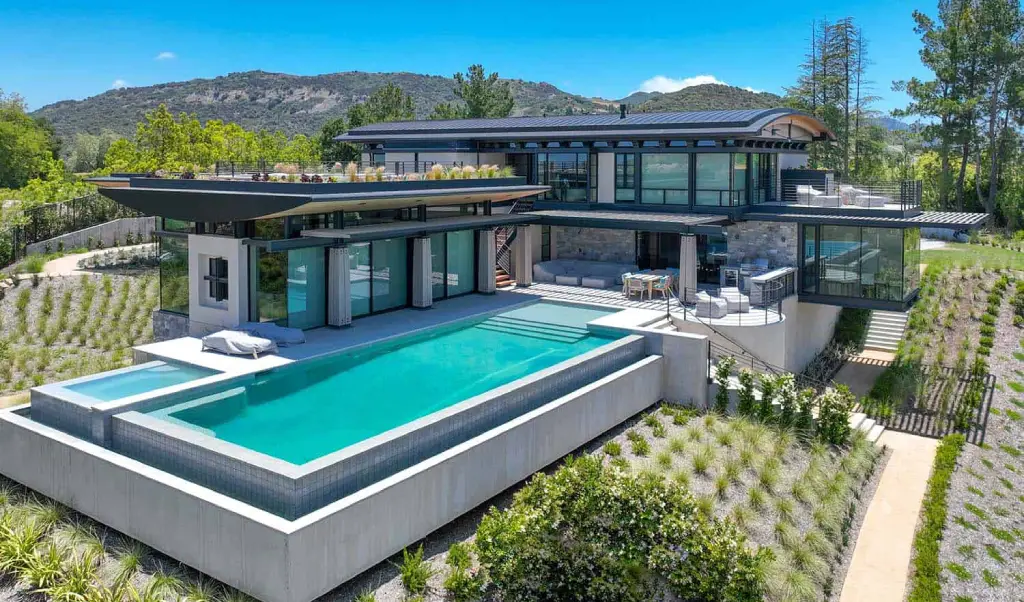
When we work as a design-build fire rebuild contractor in Pacific Palisades, we like to think of retaining walls as part of the architecture. Walls shape courtyards, frame ocean or canyon views, create bench seating, and support planters that help re-plant the hillside. All while still meeting structural and drainage needs.
Slope Stability Planning From Day One: Drainage, Debris Flow, and Future-Proofing
The first two or three rainy seasons after a fire tend to be the riskiest for burned hillsides. Without deep roots and ground cover, soil can move more easily. Debris flows can carry mud, rocks, and ash down toward streets and lower homes.
So, slope stability is not just about big walls and deep caissons. It is also about how water and loose soil move across your lot during a heavy rain.
Key strategies usually include:
- Subdrains behind retaining walls to relieve water pressure
- Surface swales and area drains to steer runoff where it should go
- Careful routing of roof downspouts so water does not dump on soft slopes
- Hardened paths or steps that double as safe access and erosion control
- New plantings with fire-wise, deep rooted species to help rebind the soil
Spring is actually a great time to focus on this planning. Days are longer, design teams are easier to meet with, and there is a natural window between the past rainy season and the coming fire season. Using this time to finalize geotechnical work, engineering, permits, and slope protection details means you are not rushing to catch up when the weather patterns shift again.
Future-proofing is not about promising that nothing bad will ever happen. It is about giving your hillside every advantage, with smart grading, solid drainage, and thoughtful planting that all work together with your new structure.
From Burned Lot to Safer Luxury Home: Partnering with the Right Hillside Rebuild Team
Turning a burned Pacific Palisades hillside lot into a new custom home is a big lift, but you do not have to carry it alone. The team you choose matters as much as the design.
Look for an integrated group that understands Pacific Palisades slopes and Los Angeles hillside and fire rules, and that knows how to pull together geotechnical, structural, and architectural input from the very start. You want people who talk to each other, not just pass drawings along.
Pure Builders is a Los Angeles-area design-build construction firm focused on luxury new custom homes, complete fire rebuilds, ADUs, and major residential projects from concept through completion. When we act as a fire rebuild contractor in Pacific Palisades, we bring together design, engineering, and construction so the hillside, the walls, the drainage, and the home itself are all planned as one clear, connected whole.
With the right planning and the right team, a burned hillside lot does not have to feel like the end of your story on that property. It can be the start of a safer, stronger, and more comfortable new home that respects the slope, the views, and your peace of mind.
Rebuild Your Pacific Palisades Home With Confidence
If you are ready to move forward after a fire, Pure Builders is here to guide you through every step of the process. Whether you need a trusted fire rebuild contractor in Pacific Palisades or have specific questions about your property, we will provide clear answers and a tailored plan. Share your situation and goals with our team so we can help you rebuild safely and efficiently. To get started, contact us today.