
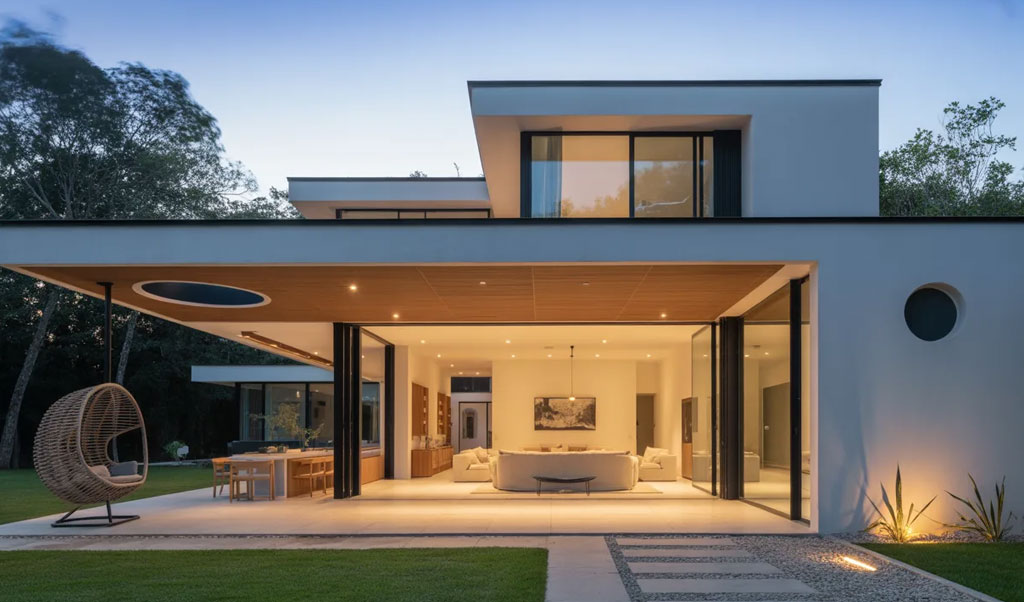
Winter might seem like a quiet season for building, but it brings its own set of challenges. Rain, wind, and cold temperatures can slow things down on any construction site, especially in hillside areas like Pacific Palisades. When you’re working on new construction or fire rebuilds, delays can pile up fast if you’re not ready for them.
We have worked through plenty of wet winters and know what can get in the way. From muddy lots to missed inspections, even the best-laid plans can take a hit. That is why we always build some extra room into our prep. For anyone starting a fire rebuild or custom home project right now, the right planning helps keep your home construction services moving without too many unexpected stops. For new construction in the Calabasas area, Pure Builders works as a design-build contractor with in-house architects and designers, handling projects from initial planning through construction completion.
Watch the Forecast Before You Dig
The first step in a new build usually starts with digging or preparing the site. During the colder months, it helps to keep a close eye on the weather before that first machine ever rolls in. Wet soil is harder to manage and more likely to cause delays than most people think.
Here is what we do to get ahead of it:
• Keep tabs on the forecast and avoid pouring foundation or prepping footings right before or after a big storm
• Push for early site prep during dry spells so the ground is stable and easier to work with
• Use our first walkthroughs to check for flooding spots or bad drainage that could slow things down once rain hits
Getting ahead of the storm does not just save time. It helps crews work more safely and keeps equipment and materials from sinking into the ground or becoming stuck.
Keep Materials Dry and Easy to Access
Once materials start arriving on site, they need to be protected from both weather and delay. Not everything can get soaked and still work properly. That is especially true for wood, electrical supplies, and insulation.
We set aside a dry space for supplies so workers have what they need when they need it. We also plan deliveries so that:
• Trucks do not arrive during storms, when unloading is risky
• Materials do not sit exposed too long
• The storage spot is close to the work area but safe from runoff or flooding
Keeping things organized up front helps prevent waste and makes each step go more smoothly. It also gives everyone one less thing to worry about when the weather turns.
Make Room in the Timeline for Weather Delays
Trying to run a tight schedule with no breathing room is a risky approach during winter. Even small storms can cause big delays, especially for roofers or crews dealing with the exterior.
We space out major phases and never stack trades back to back. That gives us room to wait out a storm or shift gears when needed. We also block in extra time around important steps, like:
• Pouring foundation or driveway slabs
• Framing and roofing, which depend on dry conditions
• Dry-in days, when the house gets protected from the elements
This way, even if delays happen, the whole project does not slide out of control.
Communicate with Your Build Team Often
Winter builds work best when everyone is connected. The weather can shift fast, so a delay in one corner of the job site can impact everything else. Small updates can go a long way when everyone is working off the same plan.
We always check in more often during storm season. That includes:
• Daily reviews with supervisors if rain is in the forecast
• Quick text or email updates when there is a change in material arrivals
• Sharing timeline changes as early as possible
The more we talk through the changes, the less chance something slips through the cracks. Home construction services rely on planning, but flexibility and communication matter just as much when clouds roll in. On our builds, our design team works closely with project supervision so the details agreed on during planning carry through the work on site, even when winter weather shifts the schedule.
Prepare Wiring and Plumbing for Cold Conditions
Not all delays are outside. Rain and cold air can slow indoor work too, especially if wiring or plumbing gets started before the house is sealed up. Frozen pipes or damp wires can lead to serious problems down the road if they are not handled right.
To stay ahead, we follow a few safety habits:
• Enclose framing fast so open areas do not get too exposed
• Use weather-ready materials when it makes sense, like piping that is built for colder conditions
• Seal crawl spaces and open wall sections so winter air does not creep in and create problems once things are covered
It is easier to fix something before the insulation and drywall go in than trying to undo a larger mess later.
Keep Moving Forward, Even If It’s Slow
Sometimes the weather hits hard enough that outdoor work has to stop. That does not mean everything has to pause. A project can still make progress behind the scenes.
If construction slows outdoors, we shift gears. That might include:
• Reducing crew size but continuing indoor tasks
• Moving forward with design choices and material planning
• Scheduling permit updates or city reviews
Things may move at a slower pace, but they do not have to stop. This keeps the build moving so we do not waste those days entirely.
Build Smarter Through the Cold Months
Winter makes building harder, but it does not make it impossible. The key is treating it like a known part of the plan, not a surprise. We expect slow days, wet ground, and missed deliveries during this window of the year. It is not about avoiding storms. It is about staying steady when they come.
Rebuilding in Pacific Palisades after fire damage often happens in winter, so we start those projects with flexible timelines and ready-to-adjust plans. It is not perfect, but it allows our crews to keep moving toward the end goal even when it takes a few extra steps to get there. In the Calabasas area, new construction has become a strong investment for clients when custom homes are designed thoughtfully and built with care, so keeping winter schedules on track supports both daily comfort and long-term value. When we are ready for delays, they are easier to manage. And winter becomes just another part of the build, not a reason it has to stop.
Planning a fire rebuild or new home project this winter in Calabasas or the Pacific Palisades? Staying ahead of cold weather matters, and our experienced team understands how timing, organization, and teamwork keep your plans moving, even when rain or unexpected delays arise. Discover how we handle weather-related challenges and keep your project on track with smart, season-aware home construction services. When you are ready to discuss your build, reach out to Pure Builders today.