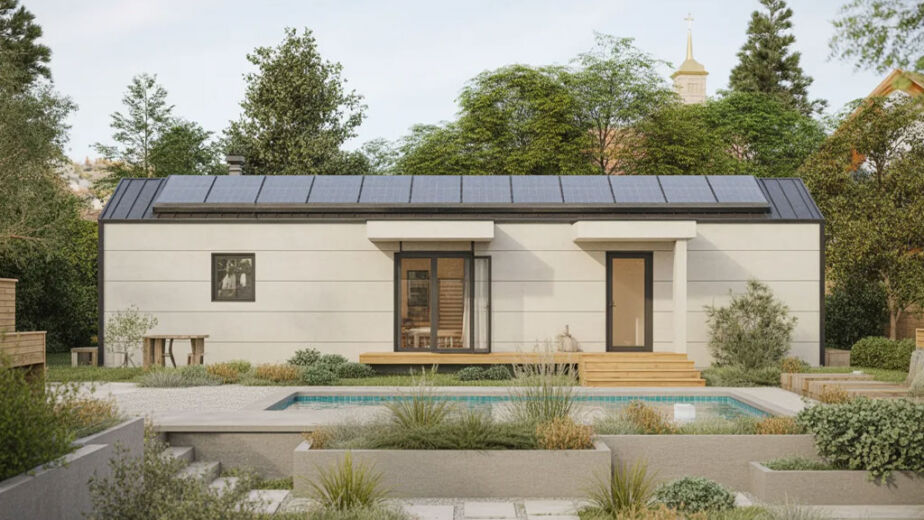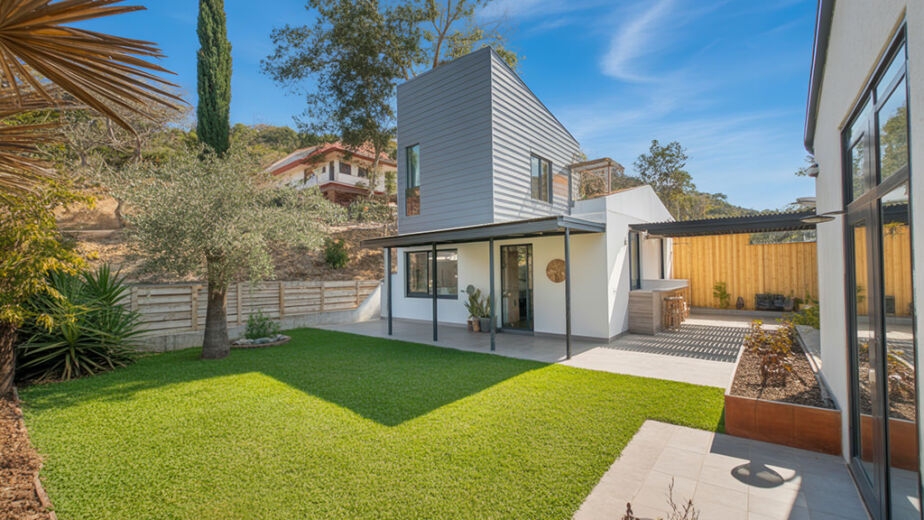
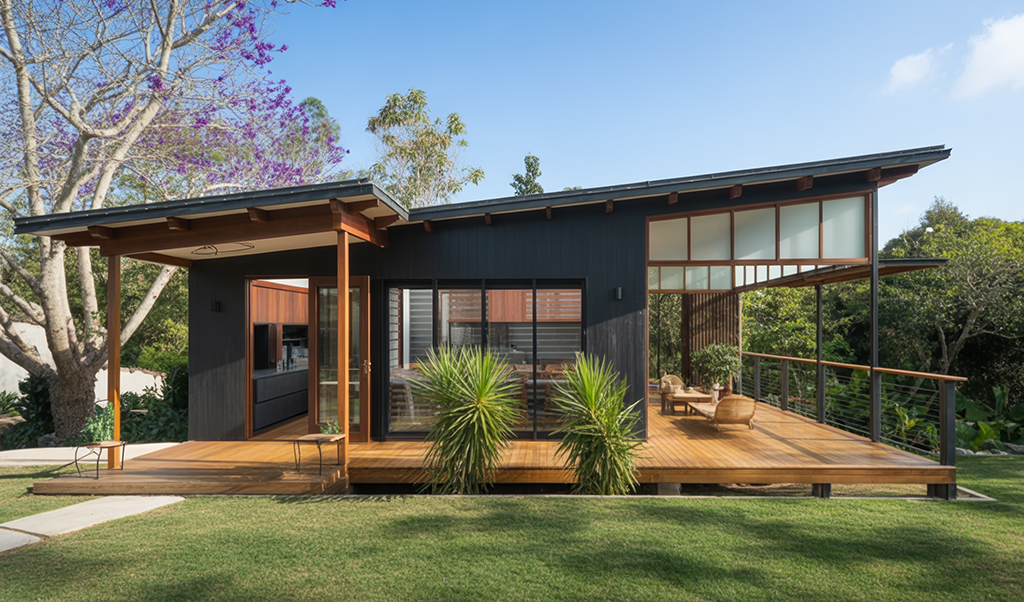
Building a detached ADU on your property opens up more space and possibilities, but before it starts feeling like home, the utilities have to be sorted out. That means electricity, water, sewer, and sometimes gas all need to connect the right way. Without planning ahead, it’s easy to run into surprises that delay construction or add stress.
With accessory dwelling unit construction in Calabasas, there are specific steps we take to make sure everything aligns with local rules and functions well once it’s finished. As a Calabasas-based residential design-build firm with more than 20 years of experience, Pure Builders manages projects from initial consultation and 3D design through permitting and construction completion, so utility planning stays fully integrated with the build. The goal is to have the ADU feel just like the rest of the home, with hot showers, working outlets, and heating or cooling that works no matter the season. Here’s what to think through before breaking ground.
Check Local Codes and Property Layout
Before any digging happens, it’s smart to look at what’s allowed based on where the property is. Calabasas has clear rules around utility connections for ADUs, including how they tie into existing services. Zoning, lot size, and even how far the unit sits from your main home can all affect how utilities run.
We start by checking if your property meets the local requirements. That includes space for trenching, where underground utilities will go, and how to keep the layout clean without cutting corners. A clear site layout makes a big difference. Our in-house architects and designers coordinate closely with project supervision so that utility routes, ADU placement, and access paths match the approved plans from the start. Reading property maps might not feel exciting, but that step can pinpoint small issues that would cost more to fix later. Working with someone who understands easements, connection points, and code limits helps avoid common missteps.
Plan for Power, Water, and Sewer Access
Three of the biggest pieces are electricity, water, and waste. Each must run to the ADU in a way that actually makes living there comfortable. You’ll need to think about how much of that use pulls from your main home, and if it makes sense to keep things shared or go fully separate.
Here’s what we usually walk through when planning:
• Should the ADU have its own meter, or tap into the supply already running to the main house?
• Will there be large appliances like a washer, dryer, or full kitchen setup that need more power?
• Where on the property are the existing sewer and water lines, and is it easy to connect from the new building?
Depending on where your ADU sits on the lot, it may take extra work to reach these systems. Planning it early avoids rework or digging again after framing has started.
Think About Gas and HVAC Needs
Let’s say the new unit will have a gas stove or a furnace. That means you’ll need a gas line extension from the main house or a separate install. Even if you plan to use only electric heat or induction cooking, it’s smart to talk through all the heating and cooling needs upfront.
Not every ADU needs a big HVAC system, especially if it’s being used part-time or isn’t large. But the layout and use affect what makes the most sense. Ductless mini-splits, wall heaters with smart thermostats, or heat pumps all work well in smaller settings.
Each option has its own installation needs. Thinking about it at the same time as your electrical and water planning will help everything fit together better.
Handle Site Conditions and Construction Timing
In Calabasas, winters are pretty mild, but we do get rain. That can affect how easy it is to dig or route lines underground during construction. Wet soil can delay certain steps or force changes if the trench collapses or stays too damp.
Here’s how we usually time things smartly:
• Install utility lines before heavy framing whenever possible, which gives workers easier access.
• Plan for extra time if building during the rainy season, water-filled trenches or slippery soil slow things down.
• If pipes or wiring must be exposed during a cold snap, use protective covers or wait until it warms up to fully connect.
While winter work is still doable, thinking about what can get done before the ground softens or rain rolls in helps keep things on track.
Smart Choices for Long-Term Comfort
A well-planned ADU should work without headaches every season. That’s why we like to consider how the setup supports daily use, not just how it’s built. Things like surge protection, smart shut-off systems, and solar panel readiness come into play now, even if they’re only used later.
When placing things like panels, meters, or access points, it helps to keep them easy to reach. If anything needs maintenance down the road, you’ll want to avoid cutting into walls or crawling under the unit to fix it.
Here are a few items worth considering during planning:
• Backup power systems for peace of mind, especially in areas with outages
• Water shut-offs that can be reached without tools in case of leaks
• Room in the panel to add more breakers later as needs change
These decisions only take a bit of extra time up front and save time later.
A Comfortable, Connected ADU Starts Here
Getting the utilities right is what turns a backyard structure into a home. Every choice about access, capacity, and layout affects how the space runs day to day. Good planning leaves fewer surprises and leads to a smoother build.
With accessory dwelling unit construction in Calabasas, we’ve seen how smart prep makes the entire process easier. Whether it’s winter rain or lot spacing, we look at the whole picture before trenching begins. That way, the finished unit has everything it needs to work well in every season, and feel just like part of the main home.
Planning a detached ADU in Calabasas requires careful consideration of every phase, from utility connections to layout and access. At Pure Builders Inc., we focus on every detail so your project runs smoothly and your completed space fits your lifestyle now and for years to come. To explore accessory dwelling unit construction in Calabasas to suit your property, reach out to discuss your goals and options.