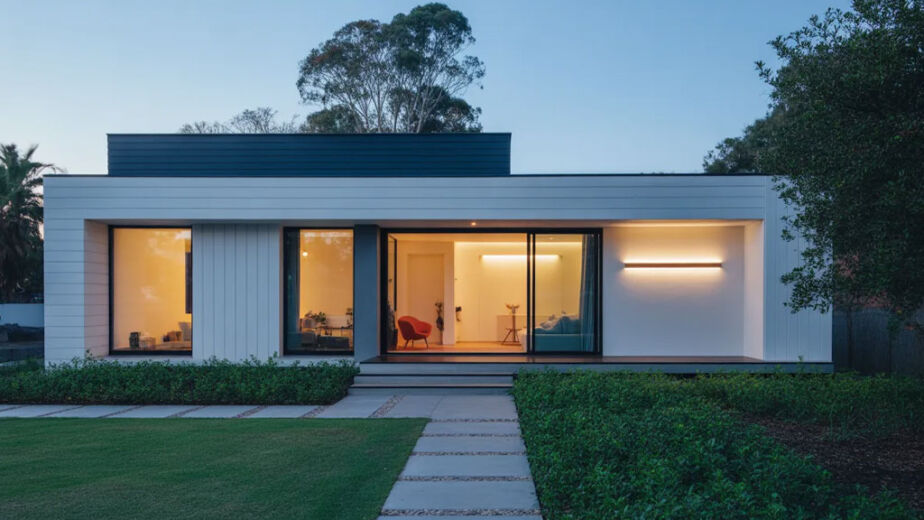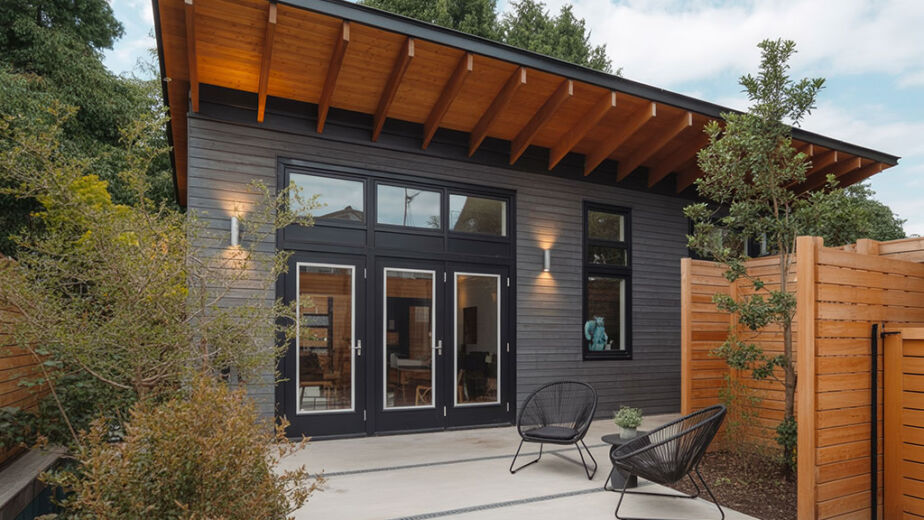
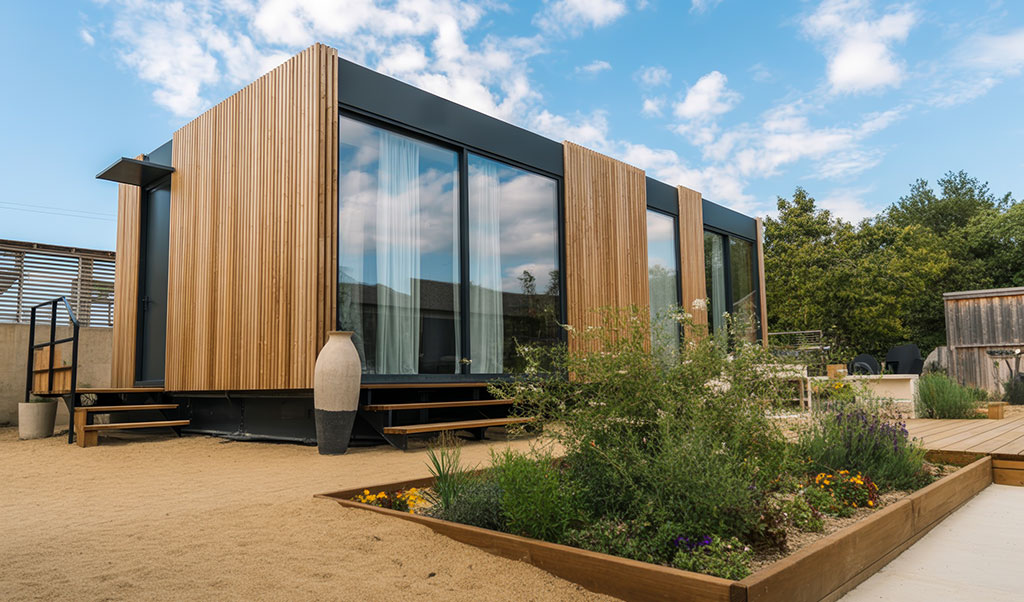
Adding a second living space to your property can be a smart move, especially if you’re running out of room for family, need a quiet work area, or just want more flexibility. If you’re considering accessory dwelling unit construction in Calabasas, it helps to start with the basics. What size can they be? What kind of layout makes the most sense? And how do they actually work within the space you already have?
ADUs, or accessory dwelling units, are becoming more common around town. But not every lot is built the same, and not every ADU has to look like a tiny house in the backyard. To keep things smooth and legal, it’s good to learn what the city expects. At Pure Builders, in-house architects and designers help plan ADUs so they feel like a natural extension of the main home. Let’s walk through size rules, layout options, and how to plan a space that fits the way you live.
What Counts as an ADU and Why People Build Them
An ADU is a smaller, separate home on the same property as your main house. It might share a wall, sit above a garage, or be completely detached. What matters is that someone can live there separately, with their own bathroom, kitchen, and space to sleep.
People build these units for different reasons. Some make one for aging parents who want to stay close but still have their own space. Others turn it into a private guest home or a rental for extra income. More recently, people are using them as peaceful home offices or creative studios.
What makes an ADU more than just a room addition is that it has everything a regular home needs, packed into a smaller, smartly designed space. It’s not just an extra room, it’s a full living space that works on its own. Having one means more options without needing to move or rebuild your main house.
Size Limits for ADUs in Calabasas
Before picking out the floor plans, think about the limits. Calabasas has rules that decide how big your ADU can be. These help protect your neighbors’ privacy and keep yards from feeling overcrowded.
Here’s what to expect:
• Square footage is usually based on how big your lot is. Homeowners with larger properties may get more allowed space, but many ADUs are capped around 850 to 1,200 square feet.
• Height limits depend on whether the unit is attached or detached. A detached unit may have a lower height limit, especially near property lines.
• Setbacks (the space between your ADU and the property edge) are required. These can affect where the unit is placed and how wide it can be.
Attached units, like ones above garages or connected to the main house, may be allowed more flexibility. Detached ones often have to follow a tighter list of requirements. It’s helpful to check how your lot is shaped and how much flat space you have before moving ahead with design ideas.
Smart Layout Ideas That Really Work
Once you know the size, it’s time to think about how to use it. Small spaces need smart layouts, or they’ll feel cramped quickly.
Here are a few layout ideas we’ve seen work well:
• Studio layouts work well for single guests or short-term stays. Keep everything open, with the kitchen, living space, and bed in one main area plus a separate bathroom.
• One-bedroom units offer more privacy. These are better for longer stays or permanent use.
• Keep the layout flowing by avoiding tight corners or closed-in hallways. Rooms should feel like they belong together.
Natural light is a big help in smaller homes. Windows, glass doors, or skylights can make a space feel twice as big. Storage is important. Look for ways to build cabinets into the design or use double-purpose furniture. It helps make the most of every inch.
Where ADUs Fit on the Property
You’ve picked your layout and checked the size rules. Next comes placement. Where does this new unit actually go?
Here are the most common spots:
• Behind the main house
• Over the garage
• Next to the side yard, if it’s wide enough
Each location has its ups and downs. Units behind the house often feel private but may be harder to access. Ones over a garage use space you already have but may need extra work for stairs or safety features.
Having a separate entrance to the ADU without having to walk through the main house is important. City rules usually require a separate entrance. So think about walkways, fences, and how people will move between both spaces without bumping into each other.
Parking might be another challenge. Calabasas may allow you to skip extra parking if you’re near public transit or doing a garage conversion, but not always. Shared yards can also impact how much room you have for outdoor seating or pathways.
Building New or Converting Existing Space
When it comes to accessory dwelling unit construction in Calabasas, people often compare two choices: do you build brand new from the ground up, or take something that’s already there (like a garage) and turn it into a livable home?
Each option comes with pros and cons.
• Building new gives you freedom. You get full control of where each wall, window, and cabinet goes. It might take longer to get permits or clear codes.
• Converting a garage can be quicker in some cases and may already have hookups for electric or water. Working inside a fixed space means more limits.
Neither is better in every case. A lot depends on your lot size, your timeline, and how creative you want to get with floor planning. Either way, it helps to plan with the city’s rules in mind so there are no surprises once things get started. At Pure Builders, the design team works closely with project supervision to carry those planning details through construction so the finished ADU matches the approved design.
Making Space Work for You
A well-planned ADU isn’t just a building, it’s a living space that fits into your day-to-day life. Extra rooms are helpful, but comfort and function matter more.
Smart choices, such as figuring out the right size, picking layouts that feel open, and placing the unit where it’s easy to reach without disrupting your yard, all help the space feel like it belongs.
When planning is thorough and we really think through how the ADU will be used, the finished space ends up being a place people actually enjoy, whether it’s for family, guests, or a peaceful corner of the property that adds a little more breathing room.
Ready to turn your extra space into something more useful? Whether it’s creating a private spot for family or building out a rental option, the right design makes all the difference. Work with Pure Builders and explore the smart possibilities of an accessory dwelling unit construction in Calabasas that feels like home. Let’s make sure your new space adds comfort, style, and flexibility without changing your whole house.